


0-12 Month Baby Sleep & Awake Windows
Share
Mastering the 0-12 Month Baby Sleep & Awake Windows: A Parent's Guide to Restful Nights
Is there anything more rewarding than the sight of a peacefully sleeping baby? For many parents, those moments feel few and far between. You find yourself pacing the floor at 3 AM, wondering why your little one won't settle despite being clearly exhausted. This is the 'overtired cycle,' a frustrating reality for many families where a baby becomes so fatigued they can no longer drift off naturally.
The Hidden Culprit: Why Synthetic Bedding Disrupts Sleep
You have followed the schedules to the minute, yet your baby still wakes up crying and sweaty. Often, the agitation isn't just about the timing—it is about the environment. Many parents unknowingly use synthetic polyester blends or treated fabrics for swaddles and crib sheets. These materials trap heat, creating a 'greenhouse effect' around your baby's sensitive skin. When a baby’s body temperature fluctuates, they cannot enter the deep, restorative REM sleep cycles necessary for growth and development. It is a physical irritation that turns a tiny fuss into a full-scale bedtime battle.
The Organic Solution: Breathable Comfort for Better Sleep
To truly master sleep windows, you must pair timing with a high-performance sleep environment. Organic cotton is the gold standard for infant sleep for several reasons:
- Temperature Regulation: Unlike synthetics, organic cotton allows air to flow, preventing the overheating that leads to mid-nap wake-ups.
- Hypoallergenic Protection: Certified organic fibers are free from harsh pesticides and chemicals, ensuring your baby’s skin stays calm and irritation-free.
- Unmatched Softness: The long-staple fibers of organic cotton provide a soothing tactile experience that mimics a parent's touch, signaling the brain that it is safe to sleep.
Understanding Awake Windows by Age
An 'awake window' is the duration of time your baby is awake between naps. Getting this right is the key to preventing cortisol spikes that keep babies wired.
0-3 Months: The Fourth Trimester
During these early weeks, awake windows are incredibly short—usually between 45 to 90 minutes. At this stage, your baby is still adjusting to life outside the womb. Use a lightweight organic cotton swaddle to recreate that snug, secure feeling, helping them transition into sleep before they become overstimulated.
4-6 Months: The Transition Phase
Awake windows typically stretch to 1.5 to 2.5 hours. This is often when the 'four-month sleep regression' hits. Consistency is vital. Ensure their sleep space is optimized with breathable organic layers to minimize physical discomfort during this developmental leap.
7-9 Months: Finding a Rhythm
As your baby becomes more mobile, awake windows increase to 2 to 3 hours. They are burning more energy, making temperature regulation even more critical. Organic cotton sleep sacks are ideal here, providing warmth without the risk of overheating as they wiggle through the night.
10-12 Months: Preparing for Toddlerhood
By now, windows are 3 to 4 hours long, and most babies are down to two naps. Maintaining a high-quality sleep environment helps solidify these longer stretches of rest, ensuring they wake up refreshed and ready for their milestones.
Final Thoughts
Understanding baby sleep and awake windows is a journey of trial and error, but you do not have to do it alone. By combining the science of circadian rhythms with the natural benefits of organic cotton bedding, you are giving your baby the best foundation for a lifetime of healthy sleep. Remember: a comfortable baby is a sleeping baby.
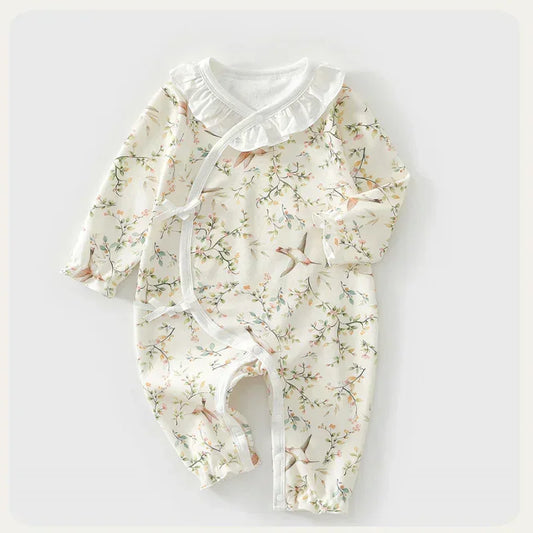
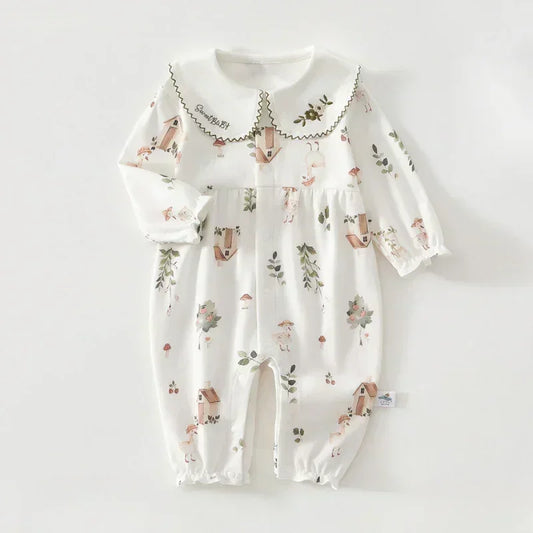
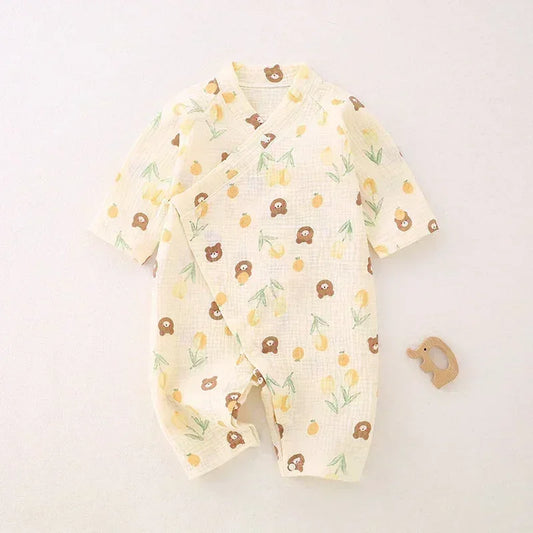
![[2-Pieces Set] 100% Cotton Long-Sleeve Kimono Romper - Blue & Blue Stripe](http://www.organiccottonclubs.com/cdn/shop/files/2_afd198b870f106588ecfc526d714b7a8.jpg?v=1764440625&width=533)


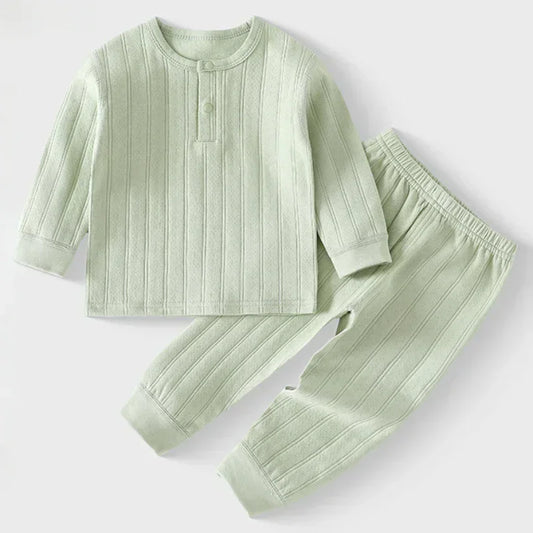
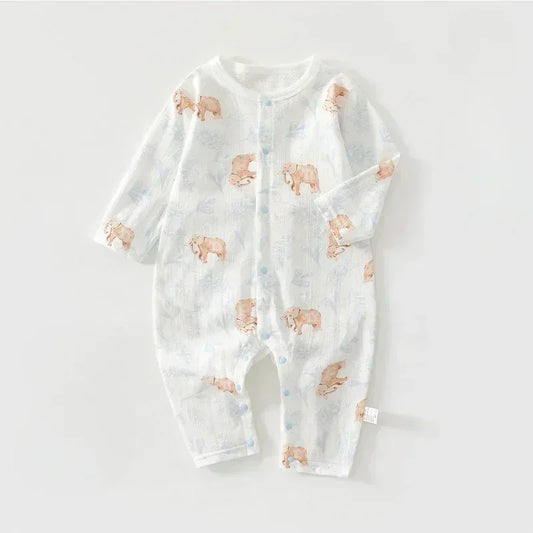
![[2-Pieces Set] 100% Cotton Long Sleeve Side-Snap Bodysuit - Pink & Pink Stripe](http://www.organiccottonclubs.com/cdn/shop/files/2_e34e329d03103a1ef2a830ed0f72d8f4.jpg?v=1759165907&width=533)
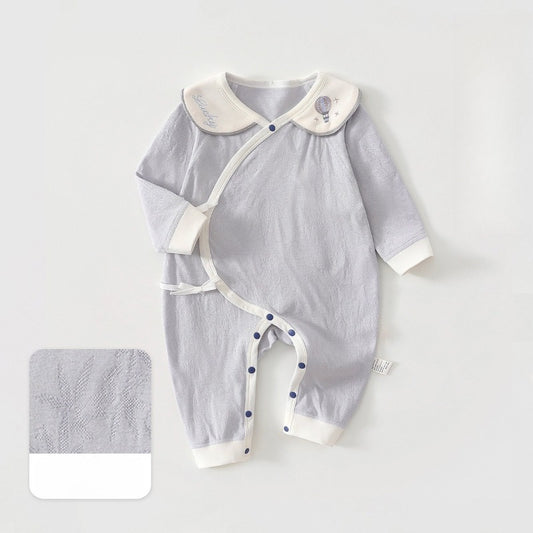
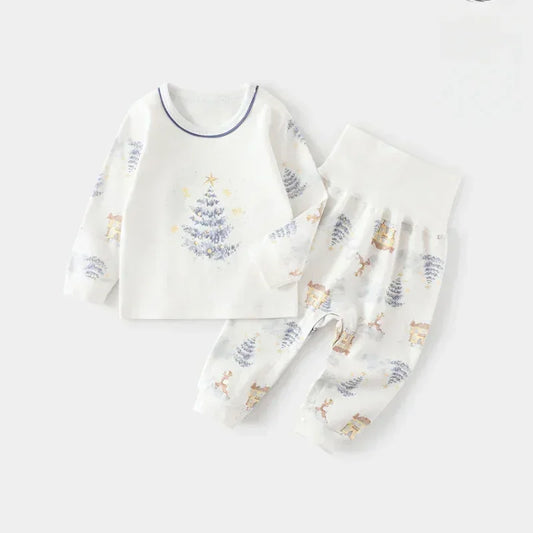
![[2-Pieces Set] 100% Cotton Long Sleeve Snapup Romper - Green & Green Stripe](http://www.organiccottonclubs.com/cdn/shop/files/4_dcde8d24f74c34bd214567f4011b27d7.jpg?v=1759166636&width=533)