


50 Sensory Activities for Babies: A Month-by-Month Play Guide to Boost Brain Power.
Share
The Magic of Sensory Play for Your Baby's Brain
As a new parent, you have likely spent hours staring into your newborn's eyes, wondering what is happening inside that tiny, growing mind. The truth is, your baby's brain is a sponge, forming millions of neural connections every second through every touch, sound, and sight. However, many parents struggle to find meaningful ways to engage their little ones without relying on flashing plastic toys or passive screen time. The pressure to 'optimize' every moment can feel overwhelming, leading many to grab the first brightly colored toy they see on a supermarket shelf.
The Hidden Danger of Synthetic Play
While those cheap, mass-produced toys are convenient, they often come at a hidden cost. Many are made from synthetic polyesters and treated with harsh chemical dyes or flame retardants. Because a baby's skin is up to 30% thinner than an adult's, it is incredibly permeable to toxins. Furthermore, babies explore primarily with their mouths; when they chew on synthetic fabrics, they are potentially ingesting microplastics. Beyond the health risks, these materials offer a 'flat' sensory experience. A plastic rattle feels the same everywhere, depriving the brain of the complex textural input it craves for cognitive development.
The Solution: Brain-Boosting Play with Organic Materials
By transitioning to a month-by-month sensory guide focused on natural, organic materials, you provide a safe, toxin-free environment for exploration. Using organic cotton, wood, and water allows your baby to experience the 'real' world. This guide to 50 sensory activities is designed to stimulate the five senses while ensuring your baby's delicate system remains unburdened by chemicals.
Benefits of Intentional Sensory Play
- Cognitive Growth: Builds nerve connections in the brain's pathways, facilitating more complex learning tasks.
- Fine Motor Skills: Activities like grasping organic muslin cloths or textured balls strengthen small hand muscles.
- Language Development: Describing textures ('soft,' 'bumpy,' 'cool') helps build your child's early vocabulary.
- Emotional Regulation: Sensory play, especially with soft organic textures, can be incredibly grounding and calming for a fussy infant.
A Glimpse into Your Month-by-Month Guide
Months 0-3: Visual and Tactile Beginnings. Focus on high-contrast patterns. Use an organic cotton black-and-white 'look book' during tummy time to strengthen neck muscles and visual tracking.
Months 4-6: The Age of Reaching. Introduce a 'Texture Board' featuring scraps of organic flannel, ribbed cotton, and smooth silk. Let your baby feel the distinct differences under their fingertips.
Months 7-9: Exploring Resistance. Hide small wooden toys inside a basket covered with strips of organic cotton fabric. Encourage your baby to pull the fabric aside to 'rescue' the toy.
Months 10-12: Sensory Bins and Stacking. Fill a low bin with large pieces of dried pasta or clean, organic cotton wool balls. Let them pour, scoop, and feel the weight of different natural objects.
Final Thoughts
Sensory play is the foundation of all future learning. By choosing high-quality, organic materials for these 50 activities, you are not just entertaining your baby—you are protecting their health and fueling their brain power for a lifetime. Start small, follow your baby's lead, and enjoy the wonder of discovery together.
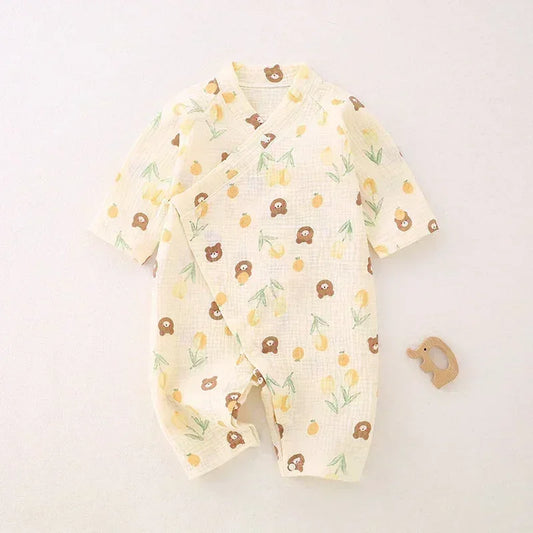
![[2-Pieces Set] 100% Cotton Long-Sleeve Kimono Romper - Blue & Blue Stripe](http://www.organiccottonclubs.com/cdn/shop/files/2_afd198b870f106588ecfc526d714b7a8.jpg?v=1764440625&width=533)


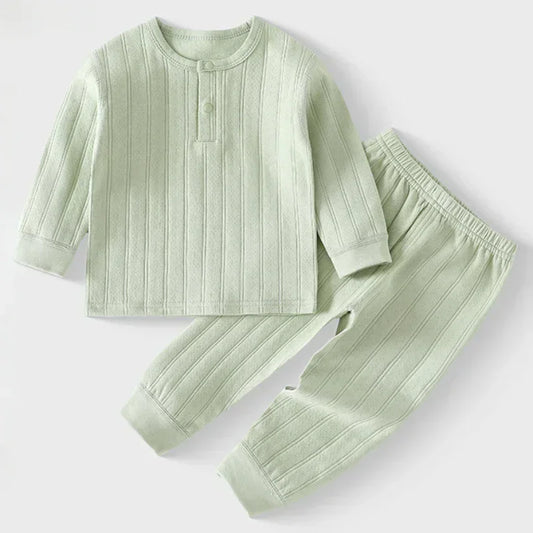
![[2-Pieces Set] 100% Cotton Long Sleeve Side-Snap Bodysuit - Pink & Pink Stripe](http://www.organiccottonclubs.com/cdn/shop/files/2_e34e329d03103a1ef2a830ed0f72d8f4.jpg?v=1759165907&width=533)
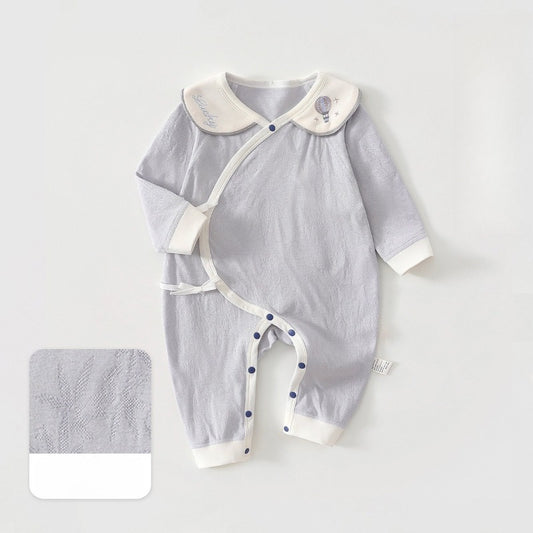
![[2-Pieces Set] 100% Cotton Long Sleeve Snapup Romper - Green & Green Stripe](http://www.organiccottonclubs.com/cdn/shop/files/4_dcde8d24f74c34bd214567f4011b27d7.jpg?v=1759166636&width=533)