


7 Must-Have Essentials for a Safe and Calm Sleep Environmen
Share
Creating a Sanctuary: 7 Essentials for a Safe and Calm Sleep Environment
As a parent, the quest for a good night’s sleep is often the holy grail of the early years. But beyond just getting your little one to close their eyes, ensuring their sleep environment is both safe and calming is paramount for their health and development. A well-curated nursery isn’t just about aesthetics; it is about creating a functional sanctuary that promotes deep, restorative rest.
While every baby is different, the fundamentals of sleep hygiene remain consistent. We have compiled the seven absolute must-haves to transform your nursery into a haven of tranquility, with a special focus on the health benefits of natural materials.
1. Breathable Organic Cotton Bedding
The foundation of a safe sleep environment starts right where your baby lays their head. We cannot stress enough the importance of choosing 100% GOTS-certified organic cotton sheets. Unlike conventional cotton or synthetic blends, organic cotton is grown without toxic pesticides and processed without harsh chemicals.
Why is this critical for sleep? Breathability. Babies struggle to regulate their body temperature. Synthetic fibers can trap heat, leading to overheating—a known risk factor for SIDS (Sudden Infant Death Syndrome) and a common cause of frequent night waking. Organic cotton allows air to circulate freely, wicking away moisture and keeping your baby cool and comfortable all night long. Plus, the fibers become softer with every wash, providing a gentle touch for sensitive newborn skin.
2. A Firm, Flat Mattress
It might seem counterintuitive to us adults who love pillow-top mattresses, but for an infant, firm is best. A soft surface can conform to a baby’s face, posing a suffocation risk. Your crib mattress should be firm enough that it does not indent when the baby is lying on it.
Ensure the mattress fits the crib perfectly—there should be no gaps between the mattress and the crib walls where a baby could get trapped. Pair this with a waterproof, organic mattress protector to keep the sleeping surface hygienic without off-gassing plastic smells.
3. The Wearable Blanket (Sleep Sack)
Loose blankets are a major safety hazard in the crib. However, babies still need warmth and a sense of security. Enter the sleep sack or wearable blanket. These genius inventions keep your baby warm without the risk of loose fabric covering their face.
Look for sleep sacks made from—you guessed it—organic cotton or bamboo for temperature regulation. They also act as a powerful sleep cue; zipping up the sack signals to your baby’s brain that it is time to wind down.
4. Blackout Curtains
Melatonin, the sleep hormone, is triggered by darkness. Even a sliver of street light or early morning sun can stimulate a baby into waking up fully. investing in high-quality blackout curtains or shades is one of the most effective ways to encourage longer naps and later morning wake-ups.
Create a cave-like environment for sleep. During wake windows, open them wide to let natural light in, helping to set your baby’s circadian rhythm.
5. A White Noise Machine
The womb was a noisy place, filled with the whooshing sounds of blood flow and heartbeats. Complete silence can actually be unsettling for a newborn. A dedicated white noise machine creates a consistent, soothing background sound that masks sudden household noises (like the doorbell or a dog barking).
Ensure the machine plays a continuous loop (non-stop) and keep the volume at a safe level—comparable to a running shower. This auditory blanket helps transition babies between sleep cycles without fully waking up.
6. Optimal Room Temperature
Overheating is a significant safety concern. The ideal temperature for a baby’s room is between 68°F and 72°F (20°C - 22.2°C). This range supports deep sleep and reduces safety risks.
Keep a simple room thermometer or hygrometer near the crib (but out of reach) to monitor the environment. Remember the rule of thumb: dress your baby in one more layer than you would be comfortable wearing in that room, utilizing your organic layers effectively.
7. A Minimalist Crib Setup
Finally, the safest crib is an empty crib. While stuffed animals, bumpers, and pillows look cute in photos, they have no place in a sleeping environment for a baby under 12 months.
Embrace a minimalist aesthetic. A fitted organic sheet and your baby in a sleep sack are all that should be in the crib. This decluttered space prevents entrapment and suffocation risks, ensuring that when you lay your baby down, you can rest easy knowing they are safe.
Conclusion
Creating a safe sleep environment doesn’t require complicated gadgets. It requires returning to the basics: natural materials, temperature control, and a clutter-free space. By prioritizing organic cotton and following these safety guidelines, you are setting the stage for healthy sleep habits that will benefit your entire family.
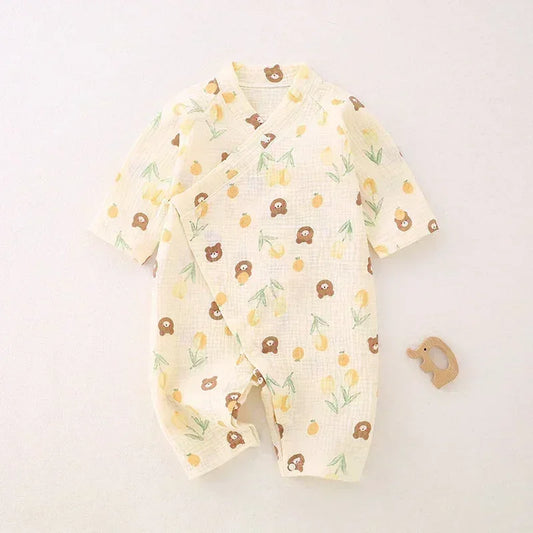
![[2-Pieces Set] 100% Cotton Long-Sleeve Kimono Romper - Blue & Blue Stripe](http://www.organiccottonclubs.com/cdn/shop/files/2_afd198b870f106588ecfc526d714b7a8.jpg?v=1764440625&width=533)


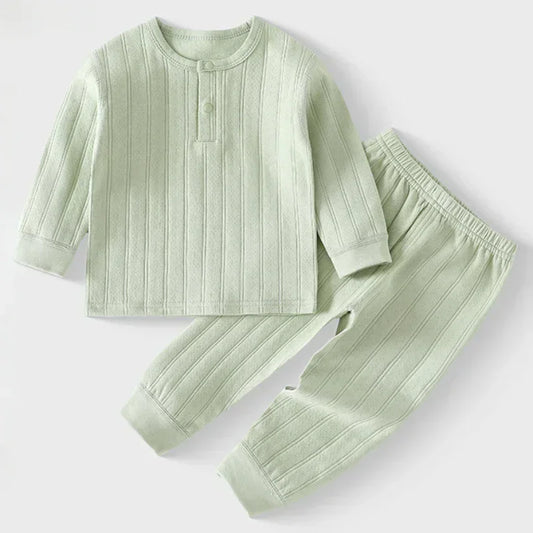
![[2-Pieces Set] 100% Cotton Long Sleeve Side-Snap Bodysuit - Pink & Pink Stripe](http://www.organiccottonclubs.com/cdn/shop/files/2_e34e329d03103a1ef2a830ed0f72d8f4.jpg?v=1759165907&width=533)
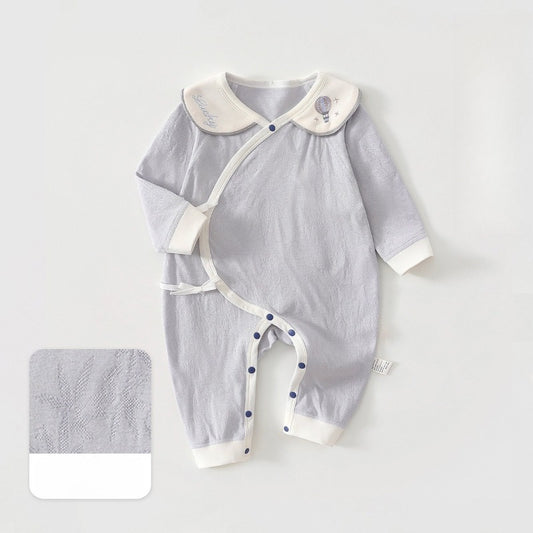
![[2-Pieces Set] 100% Cotton Long Sleeve Snapup Romper - Green & Green Stripe](http://www.organiccottonclubs.com/cdn/shop/files/4_dcde8d24f74c34bd214567f4011b27d7.jpg?v=1759166636&width=533)