


7 Natural Ways to Soothe a Fussy Baby and Improve Sleep
Share
Turning Tears into Zzz's: A Gentle Guide
There is perhaps nothing more heart-wrenching—or exhausting—than a baby who simply cannot settle. As new parents, we often find ourselves cycling through a mental checklist at 3 AM, wondering what we missed. Is it hunger? A wet diaper? Gas? Or just the overwhelming newness of being in the world?
While every baby is unique, creating a soothing environment rooted in nature and comfort can make a world of difference. Here are seven natural ways to soothe a fussy baby and encourage longer, more restorative sleep for the whole family.
1. The Magic of the Swaddle
Babies are born with the Moro reflex, a startle response that can wake them up just as they drift off. Swaddling mimics the snug containment of the womb, preventing flailing limbs from disturbing their slumber. However, the material matters. Using a breathable, lightweight muslin cloth prevents overheating while offering that crucial feeling of security.
2. Prioritize Organic Cotton for Sensitive Skin
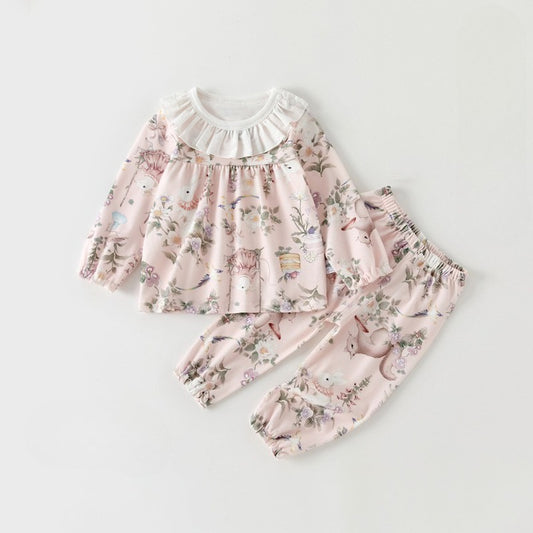
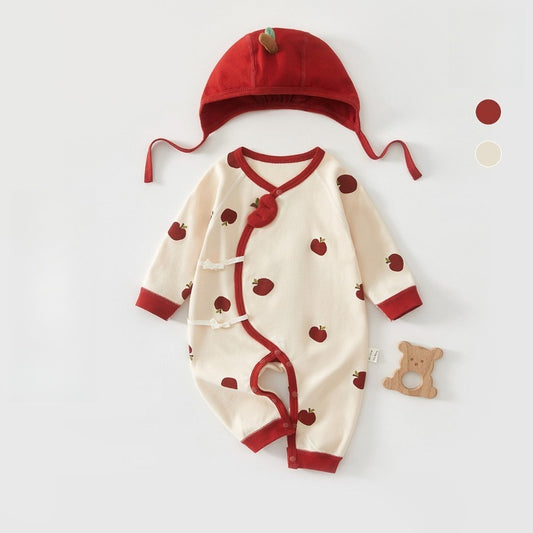
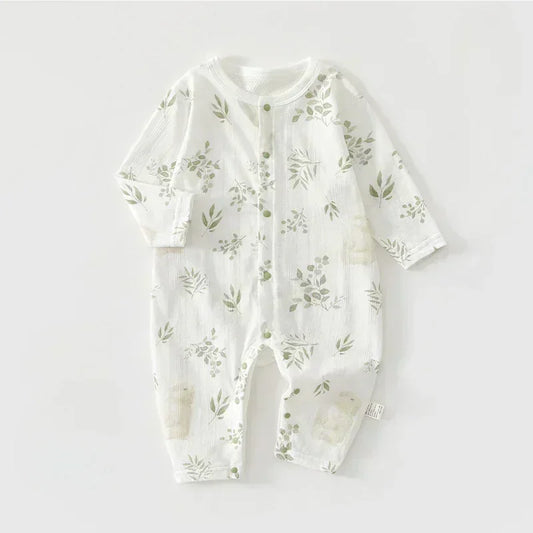
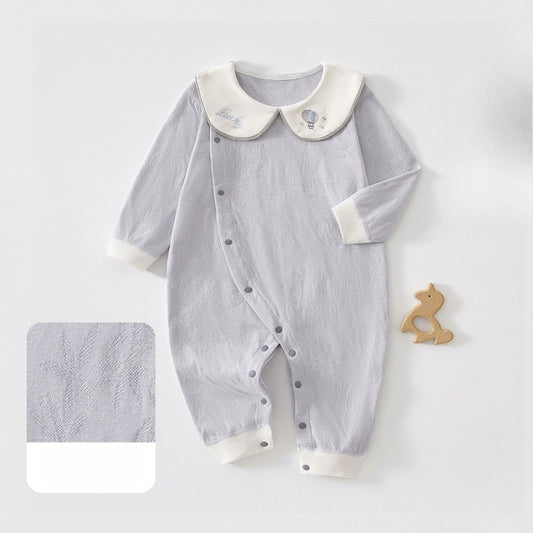
It is easy to overlook, but clothing plays a massive role in a baby's comfort. Conventional fabrics often contain residual chemicals, synthetic dyes, or scratchy fibers that can irritate delicate newborn skin, leading to fussiness that seems unexplainable.
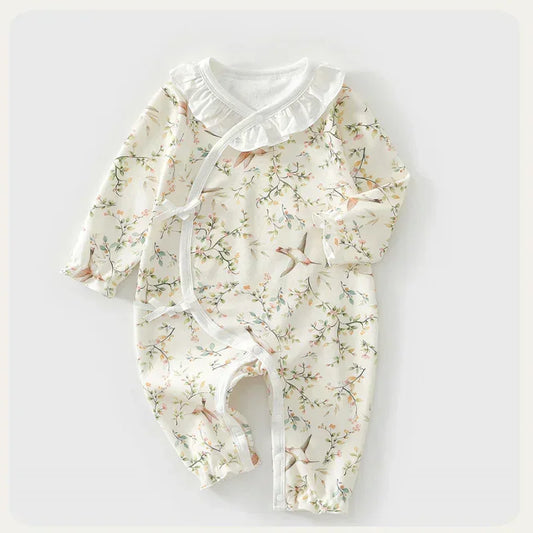
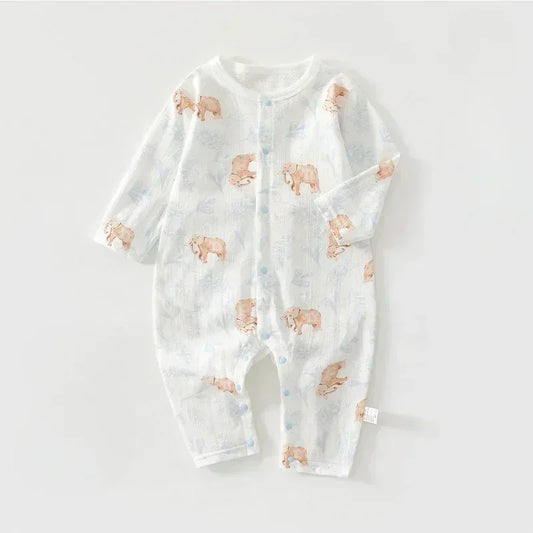
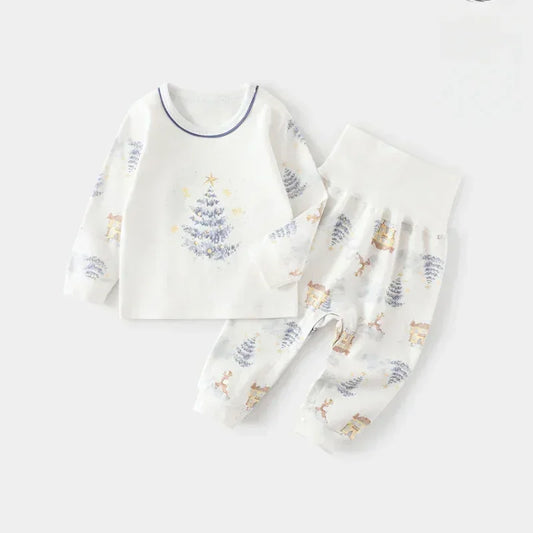
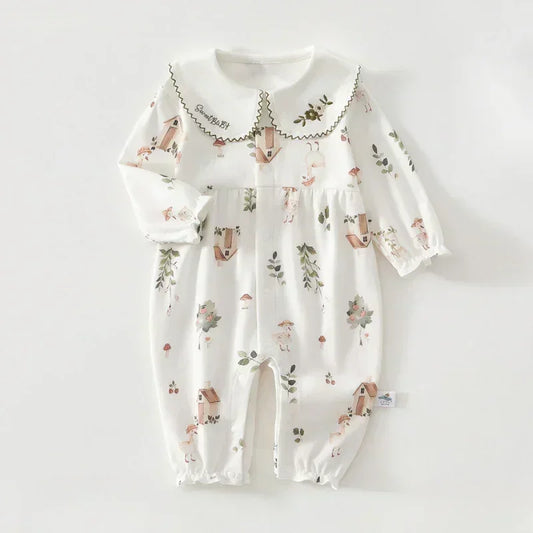
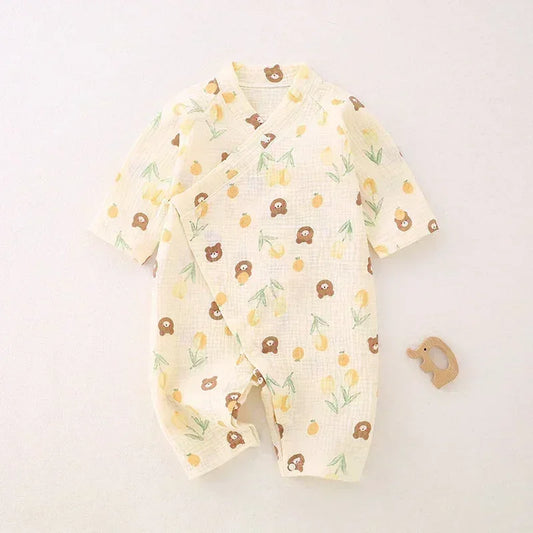
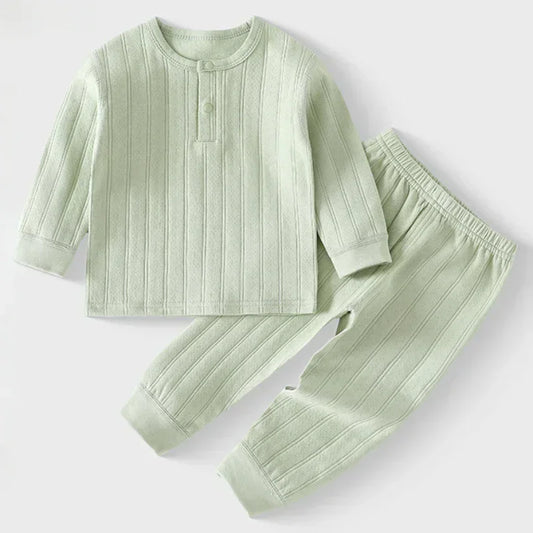
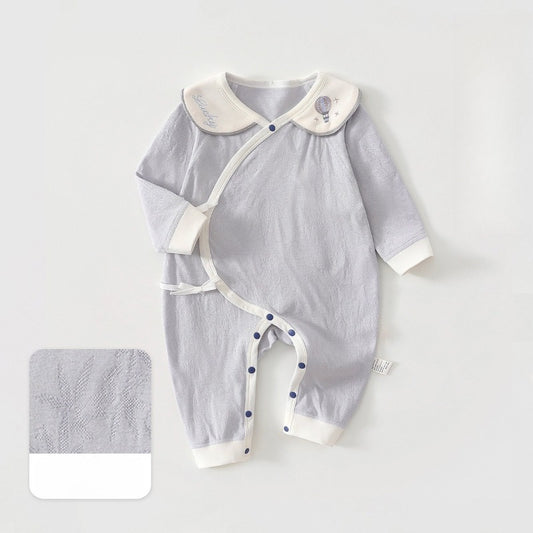
Opting for organic cotton sleepwear is a game-changer. It is naturally hypoallergenic, incredibly soft, and allows the skin to breathe, regulating body temperature better than synthetics. A baby who is not itchy or overheating is a baby much more likely to sleep through the night.
3. Incorporate White Noise
The womb was a surprisingly loud place, filled with the rhythmic whooshing of blood flow and heartbeats. Complete silence can actually feel unsettling to a newborn. Using a white noise machine—or even a fan turned away from the crib—replicates those comforting internal sounds. Aim for a low, consistent hum that drowns out sudden household noises like a barking dog or a creaky floorboard.
4. The Power of Touch and Massage
A gentle massage before bed does double duty: it relaxes tense muscles and stimulates the release of oxytocin, the love hormone, for both you and your baby. Use a natural, edible-grade oil like cold-pressed almond or coconut oil. focus on long, rhythmic strokes down the legs and back. This tactile connection reinforces safety and love, signaling that it is time to wind down.
5. Create a 'Cave-Like' Environment
Melatonin production is dictated by light. To help your baby's circadian rhythm develop, keep their sleep space dark—really dark. Blackout curtains are a nursery essential. Keep the room cool (around 68–72°F or 20–22°C) and calm. By reducing sensory input, you allow their nervous system to decompress from the day's stimulation.
6. Safe Co-Sleeping or Room Sharing
Keeping your baby close can regulate their breathing and heart rate. Whether you choose a bedside bassinet or practice safe bed-sharing (following the Safe Sleep Seven guidelines), the proximity of a parent offers a biological reassurance that a predator isn't nearby. This primal sense of safety often results in less fussiness and easier settling after night feeds.
7. Rhythmic Movement
There is a reason rocking chairs are a nursery staple. Rhythmic movement—swaying, bouncing on a yoga ball, or rocking—stimulates the vestibular system in a way that is deeply calming. If your arms are tired, a baby carrier made from soft organic fabric can be a lifesaver, allowing you to keep them close and moving while having your hands free.
Final Thoughts
Remember, this phase is temporary. By focusing on natural materials like organic cotton and biological soothers like touch and sound, you are building a foundation of trust and comfort. Take a deep breath; you are doing a great job.
![[2-Pieces Set] 100% Cotton Long-Sleeve Kimono Romper - Blue & Blue Stripe](http://www.organiccottonclubs.com/cdn/shop/files/2_afd198b870f106588ecfc526d714b7a8.jpg?v=1764440625&width=533)


![[2-Pieces Set] 100% Cotton Long Sleeve Side-Snap Bodysuit - Pink & Pink Stripe](http://www.organiccottonclubs.com/cdn/shop/files/2_e34e329d03103a1ef2a830ed0f72d8f4.jpg?v=1759165907&width=533)
![[2-Pieces Set] 100% Cotton Long Sleeve Snapup Romper - Green & Green Stripe](http://www.organiccottonclubs.com/cdn/shop/files/4_dcde8d24f74c34bd214567f4011b27d7.jpg?v=1759166636&width=533)