


Awake Windows by Age: The Secret to Better Naps (0-12M).
Share
Understanding Awake Windows: The Secret to Stress-Free Baby Naps
Are you a parent who feels like you are constantly guessing when your baby should sleep? You watch the clock, you watch your baby, and yet, somehow, you always end up with a screaming, overtired infant who refuses to settle. The missing piece of the puzzle isn't a magic wand—it's understanding 'Awake Windows.' By mastering these specific periods of time between naps, you can align your baby's biological clock with their daily routine, leading to longer naps and more restful nights.
The Parenting Struggle: Why Naps Feel Like a Battle
The frustration of a 'crap nap' is universal. You spend forty minutes rocking, singing, and shushing, only for your little one to wake up twenty minutes later. This cycle leaves parents exhausted, touched-out, and wondering what they are doing wrong. Often, the struggle isn't the baby's temperament, but a mismatch between their physiological need for sleep and the timing of their nap. When a baby stays awake too long, their body produces cortisol and adrenaline, making it nearly impossible for them to drift off peacefully.
The Hidden Culprit: Why Cheap Fabrics Sabotage Sleep
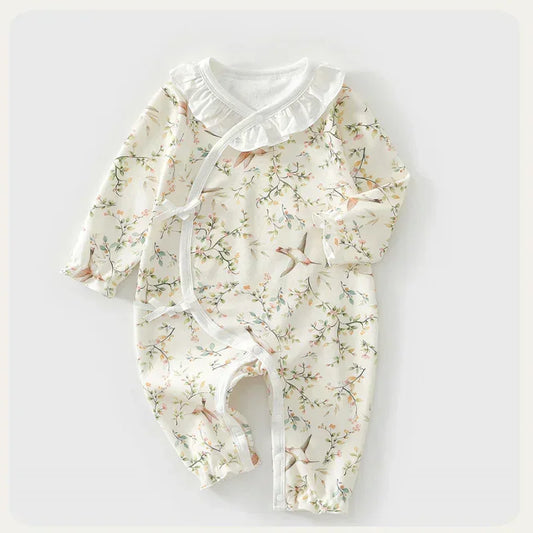
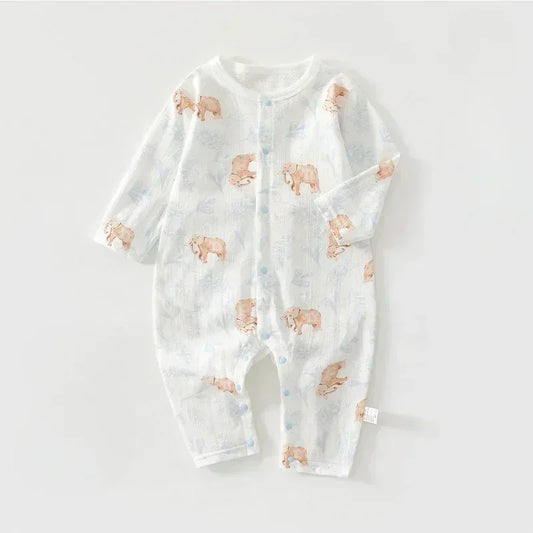
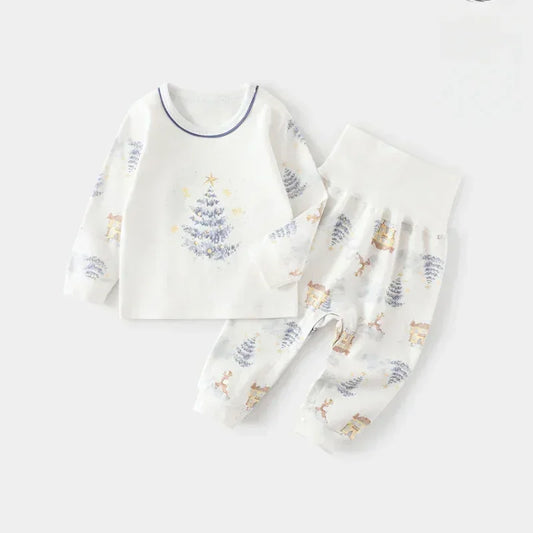
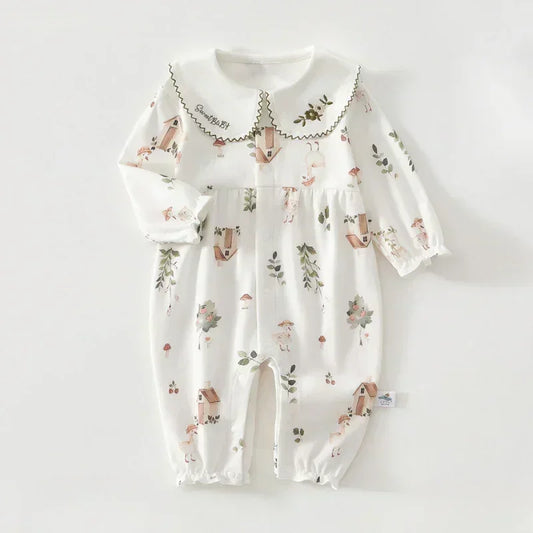
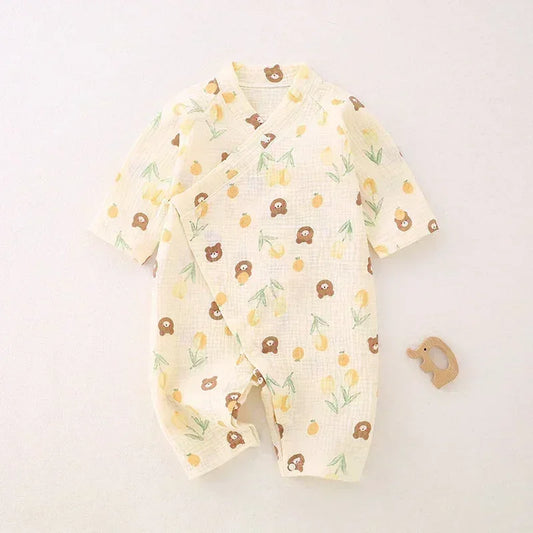
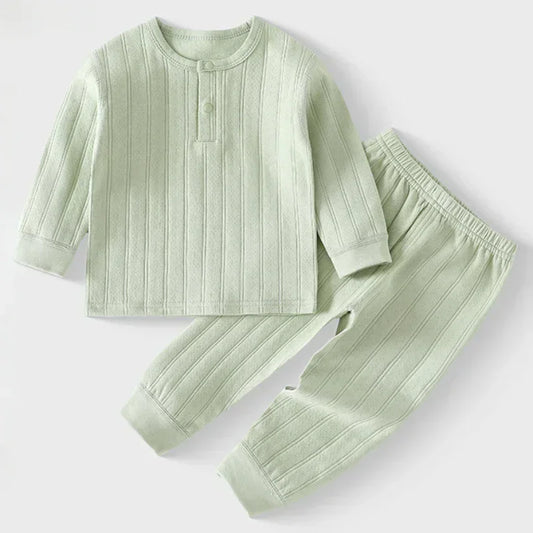
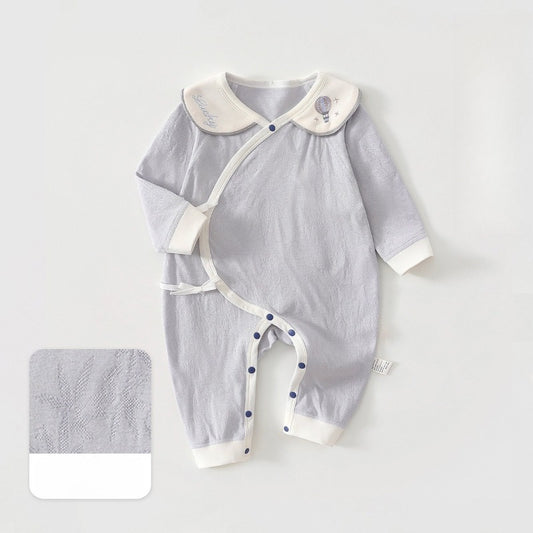
While timing is critical, the environment plays an equally vital role. Many parents invest in high-tech monitors but overlook the very thing touching their baby's skin: their pajamas. Cheap, synthetic fabrics like polyester are essentially plastic. They don't breathe. As your baby enters deep sleep, their body temperature naturally fluctuates. Synthetic fabrics trap heat, leading to overheating, night sweats, and mid-nap wake-ups. This discomfort agitates an already tired baby, turning a potentially restorative two-hour nap into a brief, sweaty struggle.
The Solution: Organic Cotton and Scientific Timing
To fix the nap-time battle, you need a two-pronged approach: mastering the awake window and optimizing the sleep environment with GOTS-certified organic cotton. Organic cotton is highly breathable, moisture-wicking, and incredibly soft on sensitive skin. When combined with the right timing, your baby is far more likely to successfully transition between sleep cycles.
Awake Windows by Age: A Quick Reference Guide
- 0-2 Months: 45 - 60 minutes. Newborns have very little stamina. By the time they yawn, they might already be overtired.
- 3-4 Months: 1.5 - 2 hours. This is the period of the 'four-month sleep regression' where consistent timing becomes your best friend.
- 5-6 Months: 2 - 2.5 hours. Most babies shift to a three-nap schedule during this window.
- 7-9 Months: 2.5 - 3.5 hours. As your baby becomes more mobile (crawling and pulling up), they burn more energy and may drop to two naps.
- 10-12 Months: 3 - 4 hours. Mornings start to stretch longer, and the afternoon window becomes the longest of the day.
Benefits of Choosing Organic Sleepwear
- Temperature Regulation: Helps prevent the 'overheating wake-up' by allowing air to circulate.
- Hypoallergenic: No harsh chemicals or pesticides to irritate delicate baby skin or respiratory systems.
- Durability: Organic fibers are stronger, meaning they stay soft wash after wash, providing a consistent 'comfort cue' for sleep.
- Sustainability: Better for the planet your baby will inherit.
Final Thoughts
Better naps are not a luxury; they are a necessity for your baby's development and your mental health. By respecting the awake windows tailored to your baby's age and ditching synthetic fabrics in favor of breathable organic cotton, you are setting the stage for sleep success. Remember, every baby is unique, so use these windows as a guide and watch for your baby's specific 'sleep cues' like eye rubbing or ear pulling. Sweet dreams!
![[2-Pieces Set] 100% Cotton Long-Sleeve Kimono Romper - Blue & Blue Stripe](http://www.organiccottonclubs.com/cdn/shop/files/2_afd198b870f106588ecfc526d714b7a8.jpg?v=1764440625&width=533)


![[2-Pieces Set] 100% Cotton Long Sleeve Side-Snap Bodysuit - Pink & Pink Stripe](http://www.organiccottonclubs.com/cdn/shop/files/2_e34e329d03103a1ef2a830ed0f72d8f4.jpg?v=1759165907&width=533)
![[2-Pieces Set] 100% Cotton Long Sleeve Snapup Romper - Green & Green Stripe](http://www.organiccottonclubs.com/cdn/shop/files/4_dcde8d24f74c34bd214567f4011b27d7.jpg?v=1759166636&width=533)