

Baby Clothing Size Chart: Newborn to 24 Months (By Brand)
Share
The Ultimate Baby Clothing Sizing Guide: Finding the Perfect Fit
Stepping into the world of baby fashion is incredibly exciting, yet many new parents quickly encounter a frustrating reality: baby sizing is anything but standard. You might find yourself staring at a pile of brand-new newborn sleepers that are already too small for your two-week-old, or struggling to roll up sleeves on a 3-month onesie that looks more like a dress. This lack of consistency isn't just a minor annoyance; it turns what should be a joyful nesting process into a logistics headache filled with returns and wasted money.
The Hidden Cost of Poorly Fitting Clothes
When clothes don't fit properly, the agitation goes beyond aesthetics. For a developing infant, comfort is king. Tight waistbands or restrictive armholes can lead to fussiness and even interfere with their natural movement and digestion. Furthermore, many mass-market brands use synthetic blends and harsh dyes that, when pressed tightly against sensitive skin, can cause irritation or rashes. Buying the wrong size often means settling for whatever is available in the moment, which frequently results in choosing lower-quality materials that don't breathe well. Your baby deserves the softness of organic cotton and a fit that allows them to wiggle, stretch, and grow without restriction.
The Solution: A Brand-by-Brand Comparison
To take the guesswork out of your shopping, we've analyzed the top baby brands to help you understand how they actually fit. While most charts use age as the primary metric, always remember that height and weight are far more accurate indicators. Here is how the most popular brands stack up from Newborn to 24 Months.
- Carter's: The industry standard. They generally run true to size but are known for a longer, slimmer fit. If your baby is long and lean, these are a perfect match.
- Gerber: Be warned that Gerber tends to run significantly smaller and shorter than other brands. Most experienced parents recommend sizing up by at least one full category.
- H&M Baby: Known for a very generous, European-style fit. They tend to run large and wide, making them excellent for babies with chunky thighs or for layering over thicker cloth diapers.
- Gap Baby and Old Navy: These sister brands are relatively consistent, though Old Navy can sometimes run a bit narrower. They offer a great middle-ground fit for most infants.
- Burt's Bees Baby: Focused on organic cotton, these often have a 'snug-fit' design for safety, especially in pajamas. They are long but very slim.
- Zara Kids: Similar to H&M, Zara often runs slightly large but with a more tailored, fashion-forward cut.
Choosing Organic Cotton for Every Growth Spurt
Beyond finding the right size, the fabric you choose is vital. Organic cotton is not only better for the environment, but it is also significantly softer on newborn skin. It provides a natural stretch that synthetic fibers lack, allowing the garment to grow slightly with your baby. This extra 'give' can sometimes mean the difference between a onesie lasting two weeks or two months. By investing in high-quality, organic pieces in the correct sizes, you reduce waste and ensure your little one stays comfortable throughout their busiest year of growth.
Final Thoughts on Baby Sizing
Navigating the transition from newborn to toddlerhood is a whirlwind. While the different sizing standards of various brands can be confusing, having a brand-specific guide allows you to shop with confidence. Always prioritize height and weight over the age label, keep a few larger sizes on hand for unexpected growth spurts, and look for breathable fabrics that support your baby's health. With these tips, you can spend less time at the return counter and more time enjoying those precious early months.
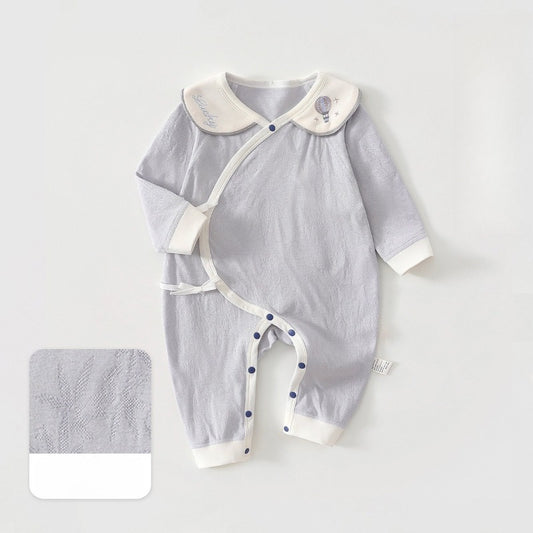
![[2-Pieces Set] 100% Cotton Long-Sleeve Kimono Romper - Blue & Blue Stripe](http://www.organiccottonclubs.com/cdn/shop/files/2_afd198b870f106588ecfc526d714b7a8.jpg?v=1764440625&width=533)
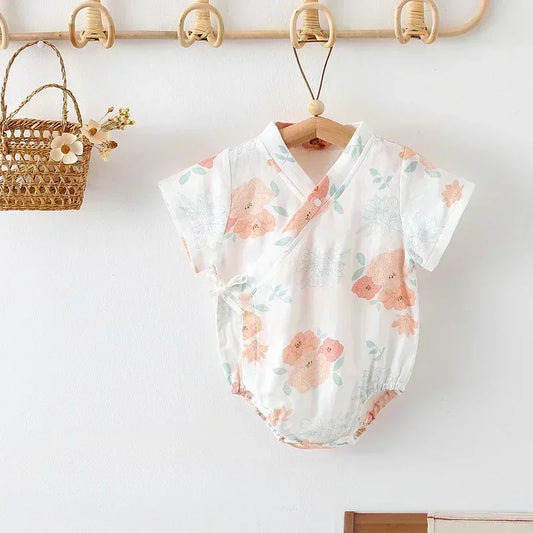
![[2-Pieces Set] 100% Cotton Long Sleeve Side-Snap Bodysuit - Pink & Pink Stripe](http://www.organiccottonclubs.com/cdn/shop/files/2_e34e329d03103a1ef2a830ed0f72d8f4.jpg?v=1759165907&width=533)