

Baby Clothing Size Guide: From Preemie to 12 Months
Share
The Ultimate Baby Clothing Size Guide: From Preemie to 12 Months
Welcoming a new baby into the world brings a whirlwind of joy, sleepless nights, and a mountain of laundry. But for many new parents, one of the most unexpected hurdles is the sheer confusion of baby clothing sizes. You buy a '3-6 month' onesie, only to find it fits your eight-week-old perfectly, or worse, doesn't fit at all. This inconsistency isn't just a minor annoyance; it’s a source of stress for parents trying to ensure their little ones are comfortable and safe.
The Parenting Struggle: Decoding the Mystery of Baby Sizing
Most parents find themselves staring at a dresser full of clothes that don't fit. The struggle is real: brands vary wildly, and 'months' is a vague estimate based on average percentiles, not your individual baby's unique growth curve. If you have a preemie or a baby who hits a growth spurt early, standard sizing feels like a guessing game. This leads to wasted money on clothes that are never worn and the frustration of having to return items while balancing a newborn's schedule.
The Agitation: Why Cheap Fabrics and Poor Fit Are a Bad Mix
It’s tempting to grab the cheapest multi-pack of baby clothes you can find, but there is a hidden cost. Cheap, synthetic fabrics are often treated with harsh chemicals and fire retardants that can irritate a baby's incredibly thin and sensitive skin. When clothes are sized poorly—too tight around the thighs or too loose at the neck—they can cause chafing, restrict movement, or even become a safety hazard during sleep. A poorly fitting garment made of low-quality polyester doesn't breathe, leading to overheating and skin rashes that keep both you and the baby awake at night.
The Solution: Why Organic Cotton and the Right Size Matter
Choosing high-quality, organic cotton clothing in the correct size is the best way to support your baby's development and comfort. Organic cotton is free from toxic pesticides, making it hypoallergenic and incredibly soft. It breathes naturally, helping to regulate your baby's temperature throughout the night.
Benefits of Choosing Organic Cotton for Your Growing Baby:
- Superior Softness: Gentler on newborn and preemie skin which is 30% thinner than adult skin.
- Durability: Organic fibers are stronger and hold their shape through countless washes.
- Eco-Friendly: Better for the planet your child will inherit.
- Chemical-Free: No harsh dyes or finishes that cause allergic reactions.
Your Quick Guide: Preemie to 12 Months
To help you navigate the first year, here is a general breakdown of what to expect:
- Preemie: Up to 5 lbs / 17 inches. Designed for the tiniest fighters with easy-access snaps for medical needs.
- Newborn (NB): 5-8 lbs / 17-21 inches. Usually lasts only the first few weeks.
- 0-3 Months: 8-12 lbs / 21-24 inches. The 'sweet spot' for early growth.
- 3-6 Months: 12-16 lbs / 24-26 inches. When babies start to find their hands and feet.
- 6-9 Months: 16-20 lbs / 26-28 inches. Perfect for the 'sitting up' phase.
- 9-12 Months: 20-24 lbs / 28-30 inches. Designed for cruisers and early crawlers.
Final Thoughts
Remember, every baby grows at their own pace. When in doubt, always size up. It is better to have a garment that is slightly roomy than one that restricts your baby's natural movement. By investing in organic cotton and understanding the nuances of sizing, you're not just buying clothes—you're investing in your baby’s comfort and health. Don't let the tags stress you out; focus on the fit, the fabric, and the many milestones ahead.
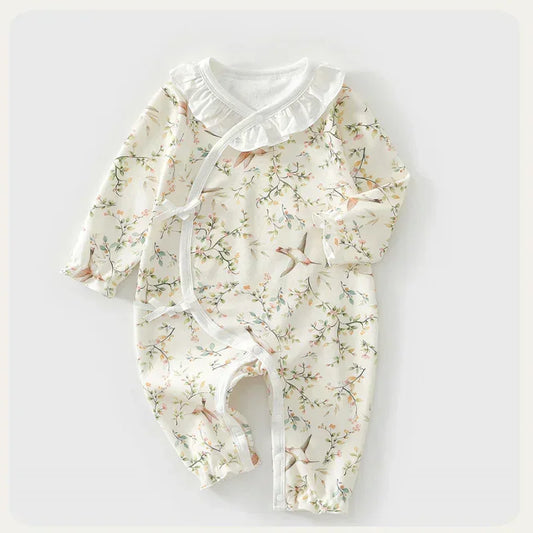
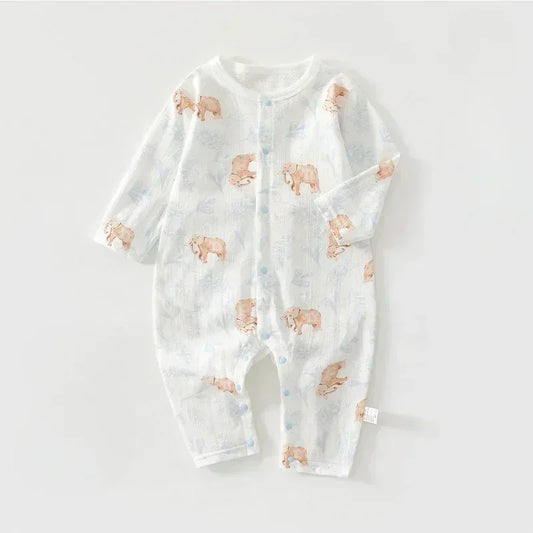
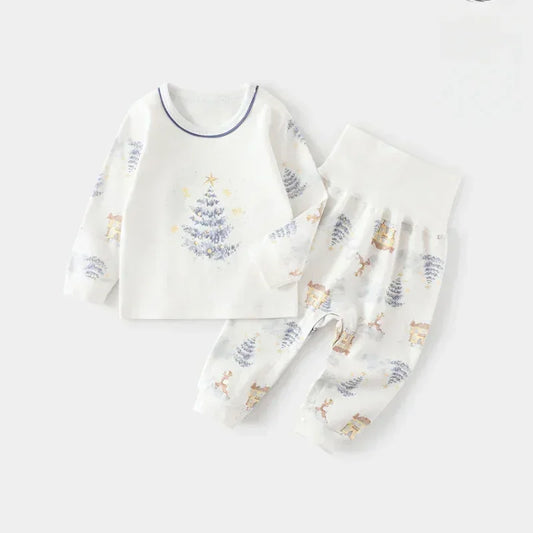
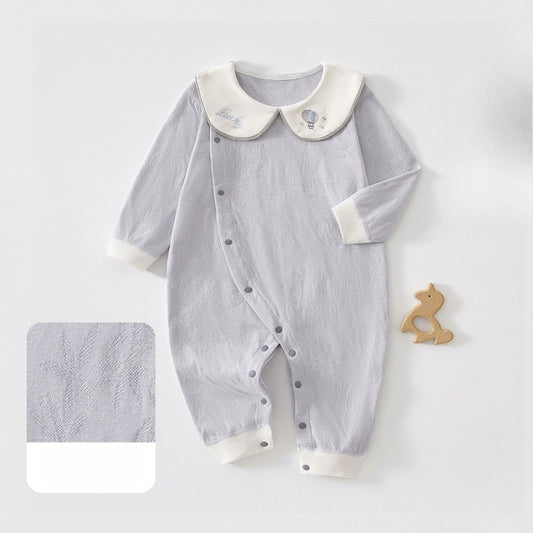
![[2-Pieces Set] 100% Cotton Long-Sleeve Kimono Romper - Blue & Blue Stripe](http://www.organiccottonclubs.com/cdn/shop/files/2_afd198b870f106588ecfc526d714b7a8.jpg?v=1764440625&width=533)


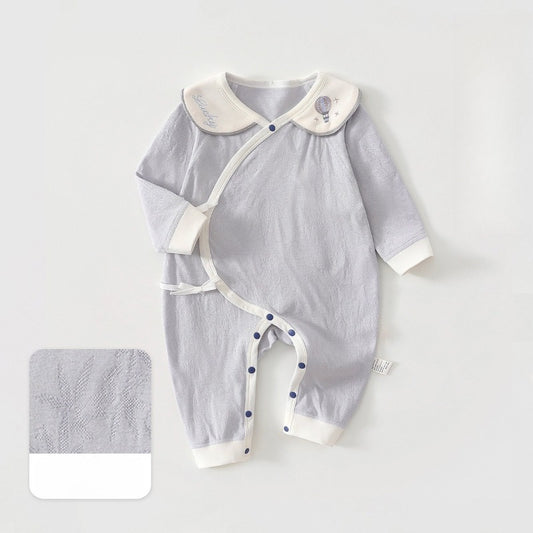
![[2-Pieces Set] 100% Cotton Long Sleeve Side-Snap Bodysuit - Pink & Pink Stripe](http://www.organiccottonclubs.com/cdn/shop/files/2_e34e329d03103a1ef2a830ed0f72d8f4.jpg?v=1759165907&width=533)
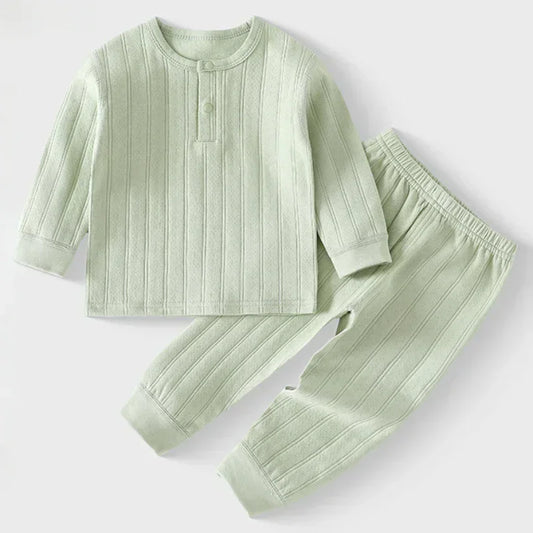
![[2-Pieces Set] 100% Cotton Long Sleeve Snapup Romper - Green & Green Stripe](http://www.organiccottonclubs.com/cdn/shop/files/4_dcde8d24f74c34bd214567f4011b27d7.jpg?v=1759166636&width=533)