


Baby Fever Guide: When to Call the Doctor
Share
The Midnight Panic: Understanding Baby Fevers
Every parent knows the feeling: you reach into the crib for a middle-of-the-night check and your heart stops. Your little one feels hot. Is it a normal variation, or is it a fever? Dealing with an infant's first spike in temperature is one of the most stressful rites of passage in parenting. You find yourself staring at the thermometer, second-guessing every degree and wondering if you should wake the pediatrician at 3:00 AM.
The Agitation: Why Cheap Materials Make Fevers Worse
When your baby is already struggling with a rising temperature, their environment plays a crucial role in their recovery and comfort. Many parents do not realize that cheap, synthetic materials often found in mass-produced baby clothes and bedding can actually agitate a feverish child. Synthetic fibers like polyester trap heat and do not allow for proper airflow. This lack of breathability can cause your baby to overheat further, leading to skin irritation, heat rashes, and increased restlessness. When a baby is sick, their skin is more sensitive, and the chemicals used in treating non-organic fabrics can lead to unnecessary discomfort during an already difficult time.
The Solution: Organic Cotton and Knowing the Signs
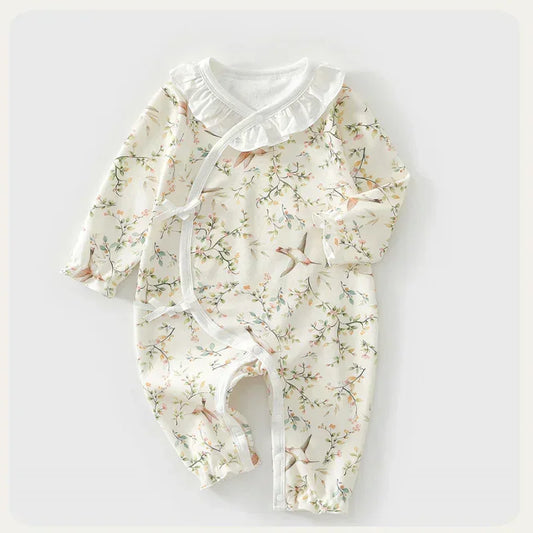
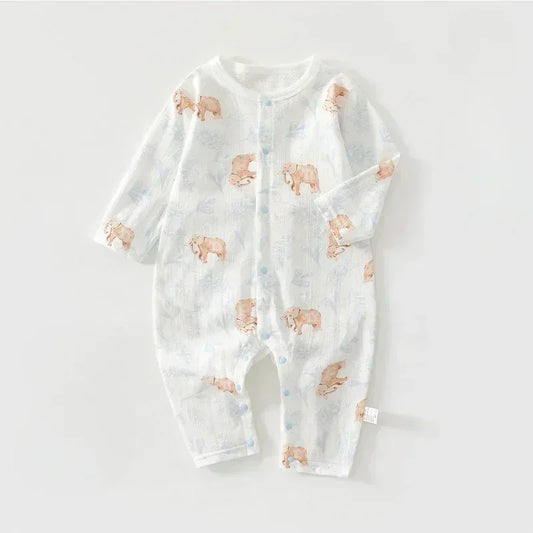
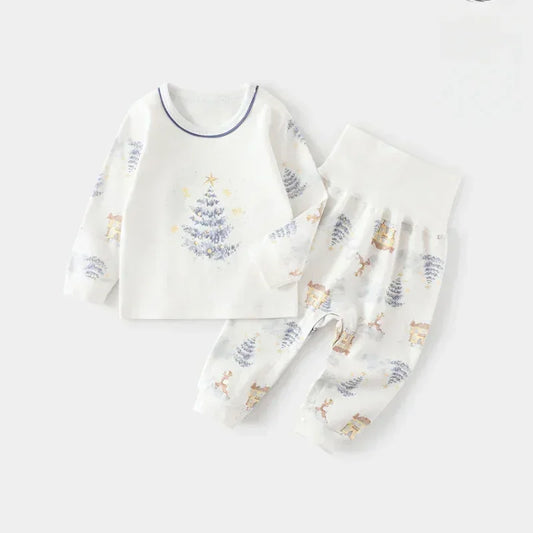
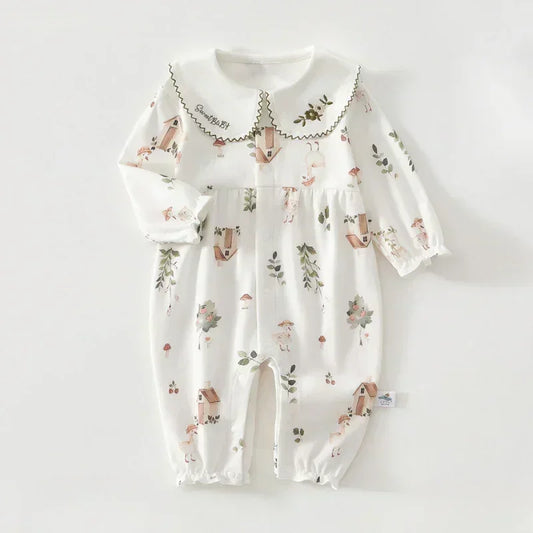
The solution to managing your baby's comfort during a fever starts with breathable, GOTS-certified organic cotton. Organic cotton is naturally moisture-wicking and allows for maximum airflow, helping to regulate your baby's body temperature as they rest. It is free from harsh pesticides and synthetic dyes, ensuring that nothing irritates their skin while their body works to fight off infection. But comfort is only half the battle. You need to know when to seek professional medical help. Here is a quick guide:
- Under 3 Months: Any temperature of 100.4F (38C) or higher requires an immediate call to the doctor.
- 3 to 6 Months: Call if the fever is over 101F (38.3C) or if they seem unusually irritable or lethargic.
- 6 to 24 Months: Watch for a fever over 102F (38.9C) that lasts longer than 24 hours.
- Warning Signs: Regardless of age, call if you notice signs of dehydration, a persistent cough, or a rash.
How to Keep Your Baby Comfortable
While you monitor the fever, focus on hydration and temperature regulation. Dress them in a single layer of lightweight organic cotton to prevent overheating. Keep the room at a comfortable temperature and offer plenty of fluids. Remember, a fever is often the body's way of fighting off a germ, but your job is to keep them cozy and safe while it happens.
Final Thoughts
Navigating baby fevers is never easy, but being prepared with the right information and the right materials makes all the difference. By choosing organic cotton, you are providing the most breathable and gentle environment possible for your little one to recover. Always trust your gut—if you feel something is wrong, do not hesitate to call your pediatrician.
![[2-Pieces Set] 100% Cotton Long-Sleeve Kimono Romper - Blue & Blue Stripe](http://www.organiccottonclubs.com/cdn/shop/files/2_afd198b870f106588ecfc526d714b7a8.jpg?v=1764440625&width=533)


![[2-Pieces Set] 100% Cotton Long Sleeve Side-Snap Bodysuit - Pink & Pink Stripe](http://www.organiccottonclubs.com/cdn/shop/files/2_e34e329d03103a1ef2a830ed0f72d8f4.jpg?v=1759165907&width=533)
![[2-Pieces Set] 100% Cotton Long Sleeve Snapup Romper - Green & Green Stripe](http://www.organiccottonclubs.com/cdn/shop/files/4_dcde8d24f74c34bd214567f4011b27d7.jpg?v=1759166636&width=533)