

Baby Growth Spurt Timeline: Signs, Ages, and What to Do
Share
The Sudden Shift: Navigating the Baby Growth Spurt Timeline
One day your baby is settling into a predictable rhythm, and the next, they are an inconsolable, ravenous little person who refuses to sleep. This sudden transition is one of the most taxing experiences for new parents. You are likely exhausted, questioning your feeding supply, and wondering if your baby is unwell. This is the classic struggle of the growth spurt phase, where the routine you worked so hard to establish seems to vanish overnight.
The Agitation of Physical Discomfort and Sleep Deprivation
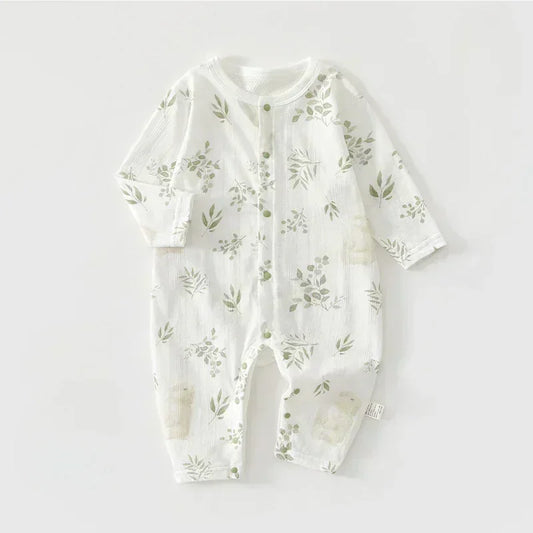
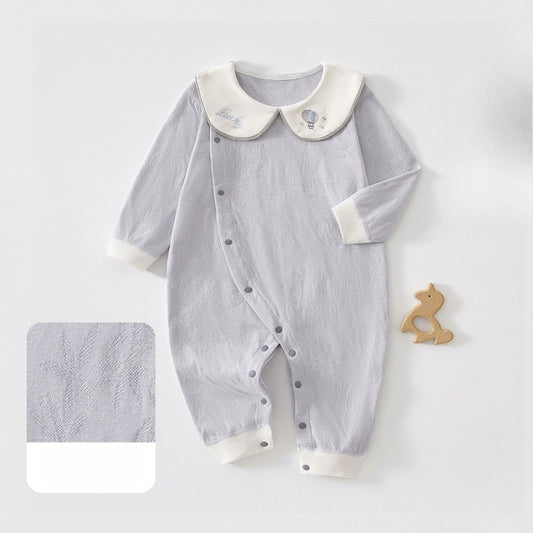
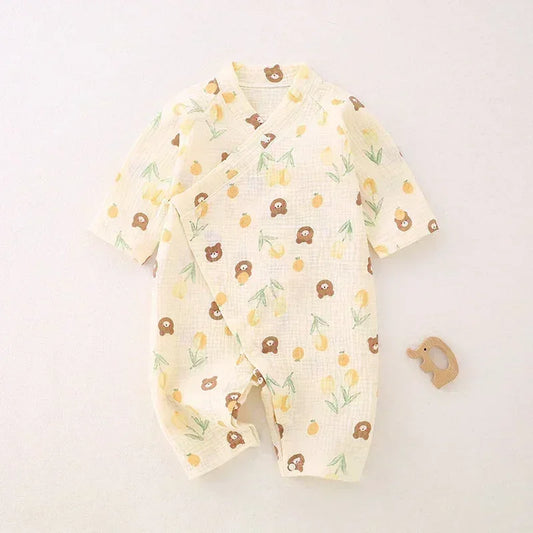
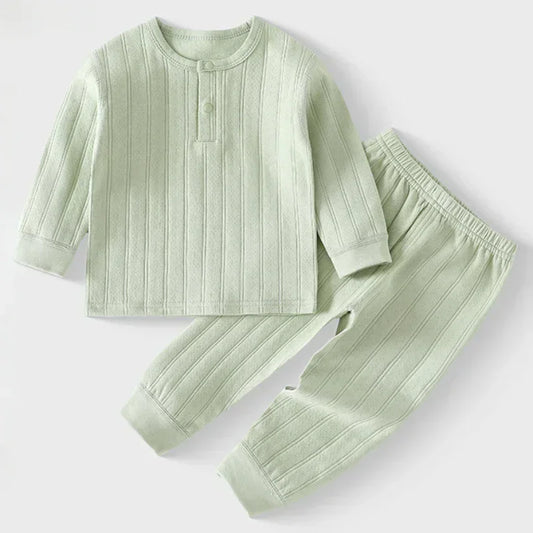
The frustration of a growth spurt is intensified by the physical changes your baby is experiencing. As their body works overtime to add length and develop new neural pathways, they become significantly more sensitive to their environment. Many parents find that during these high-intensity periods, low-quality or synthetic fabrics found in mass-market baby clothes actually aggravate the situation. Polyester and non-organic blends do not breathe well, leading to overheating and friction during the frequent, long cluster-feeding sessions. This added physical discomfort only increases your baby's fussiness, turning a natural developmental milestone into a stressful ordeal for the entire household.
The Solution: Knowledge, Patience, and Organic Comfort
The most effective way to navigate these milestones is through a combination of developmental awareness and physical soothing. Understanding the baby growth spurt timeline allows you to anticipate these changes rather than reacting with worry. Furthermore, prioritizing GOTS-certified organic cotton clothing provides a breathable, chemical-free barrier that supports your baby's skin. Organic cotton is naturally softer and superior at regulating temperature, which is vital when your baby is burning through calories to grow. When their skin is comfortable, they are better able to settle after a feeding, giving you both the rest you need.
The Typical Baby Growth Spurt Timeline
- 7 to 10 Days: The first major leap, often focused on recovering birth weight.
- 2 to 3 Weeks: A peak time for cluster feeding as your milk supply adjusts to demand.
- 6 Weeks: Often considered the peak of fussiness; stay patient as this is a major physical leap.
- 3 Months: Physical growth is accompanied by increased environmental awareness.
- 6 Months: A milestone that often coincides with the first signs of mobility and teething.
- 9 Months: Usually linked with significant motor skill developments like crawling.
Common Signs Your Baby is Growing
- Increased Hunger: Your baby may want to eat every hour, a behavior known as cluster feeding.
- Disrupted Sleep: Even the best sleepers may start waking frequently during the night.
- Fussiness and Clinging: An increased need for physical contact and reassurance is completely normal.
What to Do During a Growth Spurt
First, follow your baby's cues. If they are hungry, feed them. This signals your body to increase production or provides necessary nutrients for their development. Second, prioritize skin-to-skin contact to regulate their heart rate and offer comfort. Third, ensure their clothing is made of high-quality organic fibers to prevent skin irritation. Finally, remember to take care of yourself; these phases are temporary and usually last only a few days.
Final Thoughts
While the baby growth spurt timeline can feel like a test of endurance, it is a beautiful sign of a healthy, thriving infant. By understanding these key ages and providing a soothing environment with soft, organic materials, you can navigate these transitions with confidence. These growth spurts are short-lived, and soon your baby will settle back into a new routine with even more amazing milestones reached.
![[2-Pieces Set] 100% Cotton Long-Sleeve Kimono Romper - Blue & Blue Stripe](http://www.organiccottonclubs.com/cdn/shop/files/2_afd198b870f106588ecfc526d714b7a8.jpg?v=1764440625&width=533)


![[2-Pieces Set] 100% Cotton Long Sleeve Side-Snap Bodysuit - Pink & Pink Stripe](http://www.organiccottonclubs.com/cdn/shop/files/2_e34e329d03103a1ef2a830ed0f72d8f4.jpg?v=1759165907&width=533)