

Baby Laundry Guide: Which Fabrics Need Special Care
Share
The Struggle of Sensitive Skin: Why Baby Laundry Feels So Complicated
As a new parent, you have likely spent hours choosing the perfect organic onesies and the softest swaddles, only to find your little one waking up with mysterious red patches or restless skin. The struggle is real: newborn skin is significantly thinner and more absorbent than adult skin, making it highly sensitive to the way we wash and care for their clothes. When we treat baby garments like standard adult laundry, we risk trapping harsh chemicals and breaking down the very fibers meant to protect them. Dealing with a fussy baby who is uncomfortable in their own clothes is a parenting hurdle no one needs.
Why Standard Care and Synthetic Materials Can Hurt
The agitation begins with how modern fabrics are manufactured. Many conventional baby clothes are treated with flame retardants, formaldehyde, and harsh dyes to maintain their appearance on shop shelves. When combined with standard 'heavy-duty' laundry detergents and high-heat drying, these fabrics become rough and abrasive. Synthetic materials like polyester, while durable, are notorious for trapping heat and sweat, which often leads to heat rash and aggravates infant eczema. Every time a rough seam or a chemical residue rubs against your baby's delicate skin barrier, it causes discomfort that can disrupt their sleep and well-being.
The Solution: Organic Cotton and Specialized Fabric Care
The solution starts with choosing the right materials and following a dedicated care routine. Switching to organic cotton is the gold standard for nursery care; it is grown without toxic pesticides and processed without the caustic chemicals found in traditional textiles. However, even the highest quality organic cotton needs proper maintenance to stay soft and safe. By understanding the unique needs of different fabrics, you can ensure your baby's wardrobe remains a sanctuary of comfort.
The Ultimate Fabric Care Guide for New Parents
- Organic Cotton: Always wash in cool to lukewarm water using a plant-based, fragrance-free detergent. To maintain its natural softness, tumble dry on a low-heat setting or line dry in the shade.
- Bamboo Viscose: This fabric is prized for being buttery-soft and temperature-regulating. Because it is a delicate fiber, always wash bamboo items inside out and use a mesh laundry bag to prevent snagging on zippers.
- Merino Wool: Natural wool is excellent for moisture-wicking but requires a gentle touch. Use a dedicated wool detergent, wash on a cold cycle, and always lay flat to dry to prevent shrinking.
- Linen: Linen is incredibly breathable for summer. It actually becomes softer with every wash, but avoid using bleach which can weaken the fibers. Iron while slightly damp if you prefer a crisp look.
Essential Tips for a Safer Laundry Routine
To truly protect your baby's skin, always wash new clothes before the first wear to remove any manufacturing dust. Consider a double-rinse cycle on your machine to ensure every trace of soap is gone. Most importantly, ditch the chemical-laden dryer sheets in favor of wool dryer balls, which soften clothes naturally without leaving a waxy residue behind. Treating stains immediately with a gentle, enzyme-based spot cleaner will also extend the life of your favorite heirloom pieces.
Final Thoughts
Mastering baby laundry is about more than just removing stains; it is about creating a safe, soothing environment for your child to grow. By choosing natural, organic fabrics and following these specialized care tips, you are investing in your baby's comfort and health. It may take a little extra effort to sort your laundry by fabric type, but the reward of a happy, comfortable baby with clear skin is worth every minute.
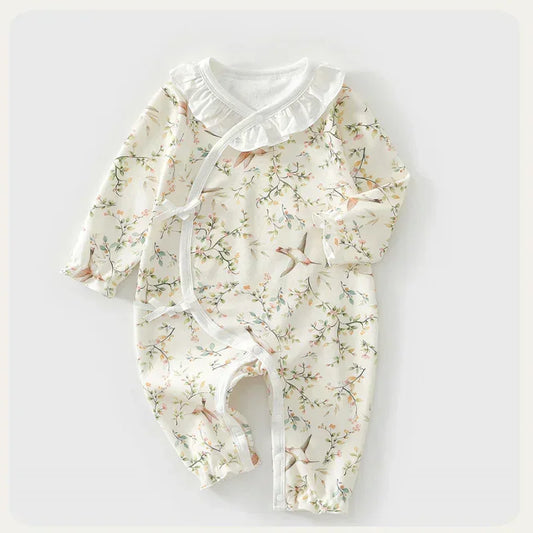
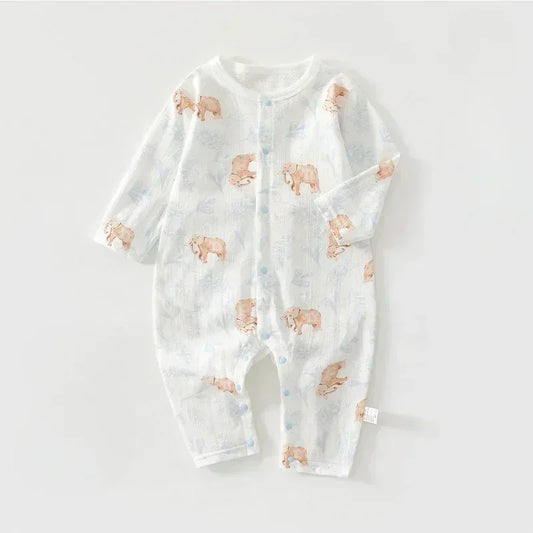
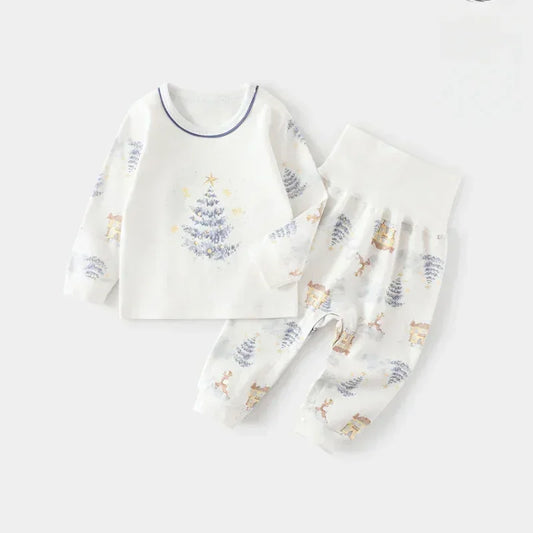
![[2-Pieces Set] 100% Cotton Long-Sleeve Kimono Romper - Blue & Blue Stripe](http://www.organiccottonclubs.com/cdn/shop/files/2_afd198b870f106588ecfc526d714b7a8.jpg?v=1764440625&width=533)


![[2-Pieces Set] 100% Cotton Long Sleeve Side-Snap Bodysuit - Pink & Pink Stripe](http://www.organiccottonclubs.com/cdn/shop/files/2_e34e329d03103a1ef2a830ed0f72d8f4.jpg?v=1759165907&width=533)
![[2-Pieces Set] 100% Cotton Long Sleeve Snapup Romper - Green & Green Stripe](http://www.organiccottonclubs.com/cdn/shop/files/4_dcde8d24f74c34bd214567f4011b27d7.jpg?v=1759166636&width=533)