

Baby Milestone Chart: What to Expect Month 1 to 12
Share
The New Parent Overwhelm: Navigating the Milestone Maze
Bringing a new baby home is a journey filled with awe, but it often carries a heavy side of anxiety. Every coo, cry, and sleep cycle becomes a point of intense analysis. You might find yourself scrolling through parenting forums at 3 AM, wondering if your little one is hitting their developmental markers on time. This constant comparison can lead to unnecessary stress during a time when you should be bonding. The pressure to ensure your baby is 'on track' can make the first year feel more like a series of tests rather than a beautiful transition into parenthood.
Why Low-Quality Environments Affect Early Growth
It is not just about the numbers on a chart; it is about the environment you create for your child. Many generic baby products are made with synthetic materials and harsh chemical dyes that can irritate a newborn's incredibly delicate skin. When a baby is uncomfortable, itchy, or restricted by stiff, non-breathable fabrics, they are naturally less inclined to move, roll, and explore their physical boundaries. A baby who is distracted by physical discomfort cannot focus on the hard work of developing their motor skills. This hidden agitation can subtly slow down those precious milestones you are so eagerly waiting for.
The Solution: Our Month-by-Month Milestone Guide
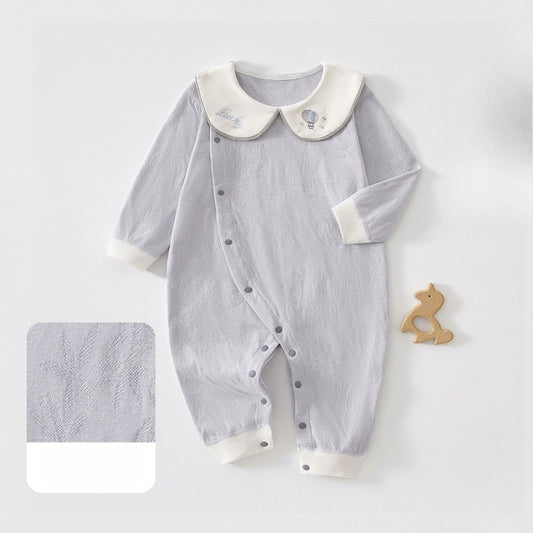
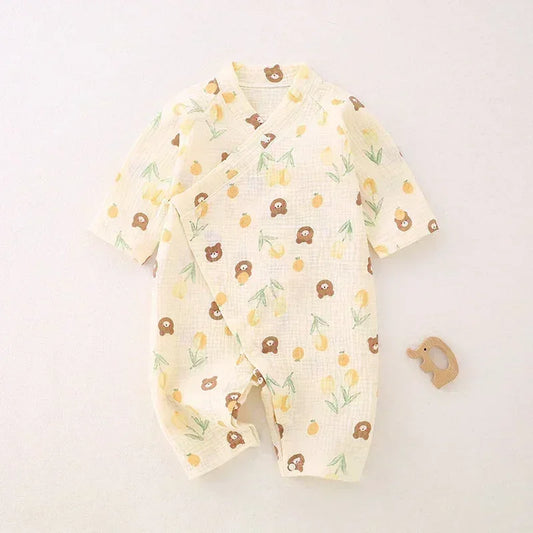
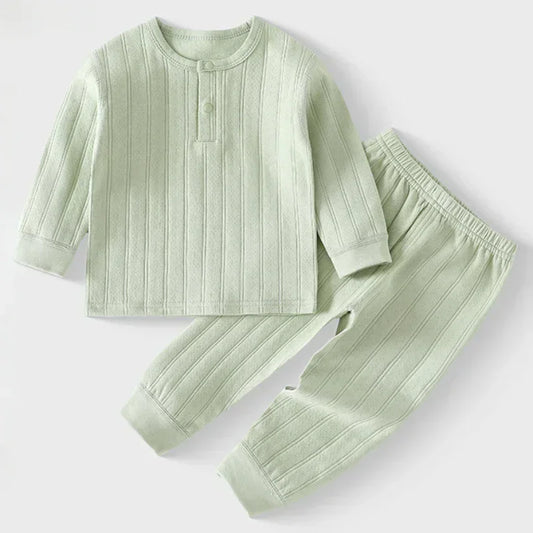
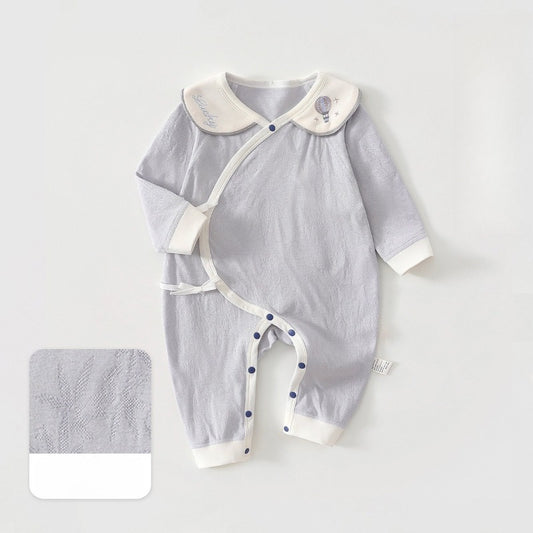
By choosing high-quality, organic cotton essentials, you provide a soft, safe, and friction-free foundation for every roll and reach. Organic cotton is naturally breathable, helping your baby regulate their temperature and stay comfortable throughout the day. Here is what you can expect during this incredible first year of growth:
- Month 1-2: The Discovery Phase. Your baby begins to focus on faces and follow moving objects. Tummy time starts now to build essential neck strength. Look for that first social smile by the end of week eight.
- Month 3-4: The Reach and Grasp. Hand-eye coordination improves. Your baby will start reaching for toys and may even roll from their tummy to their back. This is where soft, non-restrictive clothing is vital for movement.
- Month 5-6: Finding a Voice. Babbling becomes more rhythmic. Sitting with support begins, and some babies may start to push themselves up into a crawling position.
- Month 7-9: On the Move. This is the exploration phase. Expect sitting without support, the development of the pincer grasp, and the first attempts at crawling or scooting across the floor.
- Month 10-12: The Independence Phase. Your baby will begin pulling to stand and 'cruising' along furniture. By the first birthday, many babies take their first independent steps and say their first purposeful words like Mama or Dada.
How to Encourage Healthy Development Naturally
To support these milestones, focus on play-based learning and physical freedom. For motor skills, provide plenty of supervised floor time on a natural fiber mat. For language development, narrate your daily activities out loud to your baby. For cognitive growth, engage in simple games like peek-a-boo which teach object permanence. Always prioritize toys and clothing that are free from toxins, ensuring your baby's energy is spent on growing, not reacting to irritants.
The Organic Advantage for Active Babies
Choosing organic cotton is more than a lifestyle choice; it is a developmental tool. Organic fibers are longer and smoother than conventional cotton, providing a tactile experience that is soothing rather than abrasive. This comfort allows your baby to focus entirely on their surroundings. When a baby feels good in their skin and their clothes, they have the confidence to test their physical limits, reaching for that next toy or taking that first shaky step with ease.
Final Thoughts: Every Journey is Unique
While a milestone chart is a helpful roadmap, it is important to remember that every baby is an individual. Some babies walk early but talk late; others spend months perfecting their crawl before they ever attempt to stand. Use this guide as a way to celebrate your child's progress rather than a strict checklist. By providing a loving home and high-quality essentials, you are giving them the best possible start. Enjoy the journey, trust your instincts, and celebrate every small victory along the way.
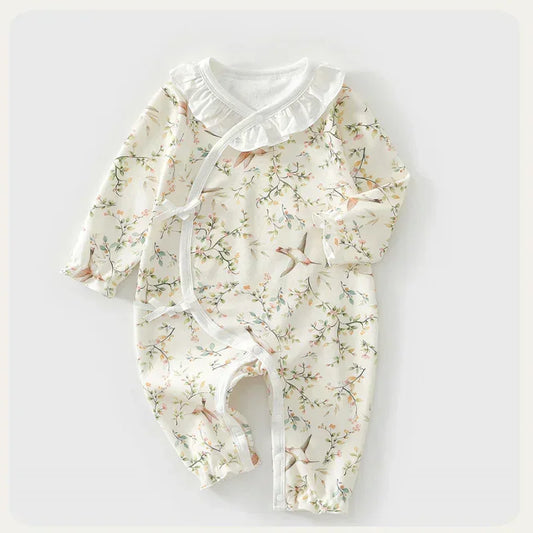
![[2-Pieces Set] 100% Cotton Long-Sleeve Kimono Romper - Blue & Blue Stripe](http://www.organiccottonclubs.com/cdn/shop/files/2_afd198b870f106588ecfc526d714b7a8.jpg?v=1764440625&width=533)


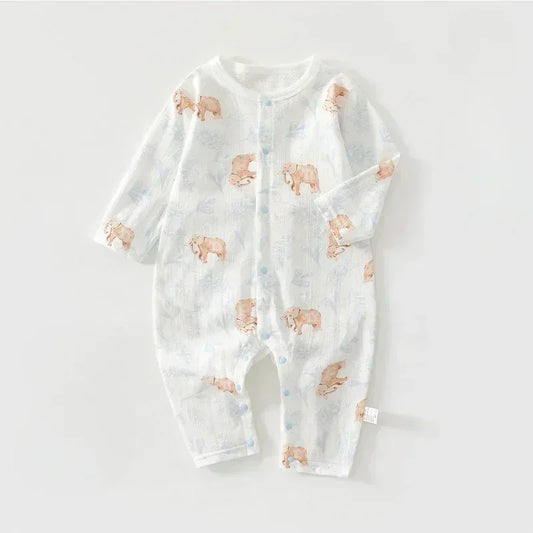
![[2-Pieces Set] 100% Cotton Long Sleeve Side-Snap Bodysuit - Pink & Pink Stripe](http://www.organiccottonclubs.com/cdn/shop/files/2_e34e329d03103a1ef2a830ed0f72d8f4.jpg?v=1759165907&width=533)
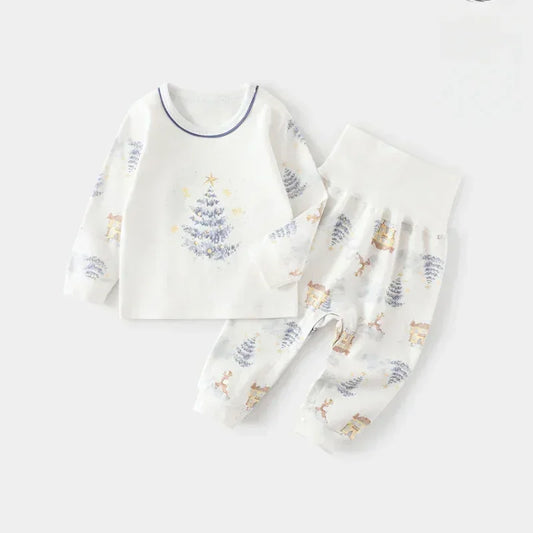
![[2-Pieces Set] 100% Cotton Long Sleeve Snapup Romper - Green & Green Stripe](http://www.organiccottonclubs.com/cdn/shop/files/4_dcde8d24f74c34bd214567f4011b27d7.jpg?v=1759166636&width=533)