


Baby Nail Cutting 101: Shapes & Safe Tools
Share
Baby Nail Cutting 101: A Guide to Shapes and Safe Tools
Every new parent knows the sudden realization of just how sharp those tiny newborn nails can be. One moment you are cuddling your bundle of joy, and the next, you see a fresh red scratch across their delicate cheek. It is a heartbreaking rite of passage, but it does not have to be a source of constant anxiety. Cutting a baby's nails is often cited as one of the most nerve-wracking tasks for new mothers and fathers, yet with the right knowledge of shapes and tools, you can master this skill in no time.
The Tiny Terror: Why Trimming Baby's Nails is So Stressful
The struggle is real: babies have incredibly soft, pliable nails that grow surprisingly fast. Because they lack motor control, they often wave their hands around, leading to accidental scratches on their face or even yours. The problem is exacerbated when parents feel unprepared, often fearing they will nick the skin of their squirming infant.
The Danger of Standard Clippers: Why Precision Matters
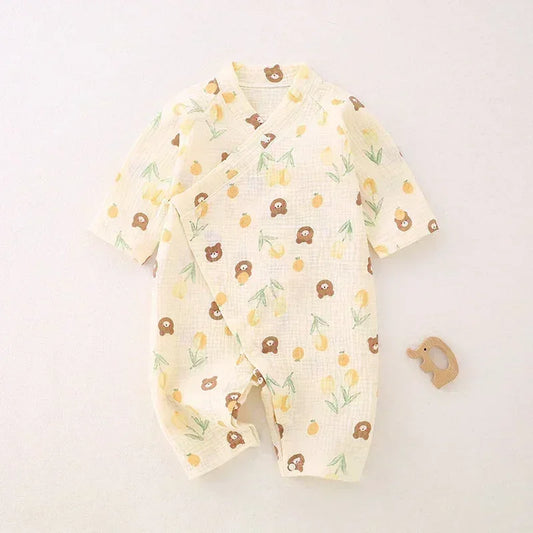
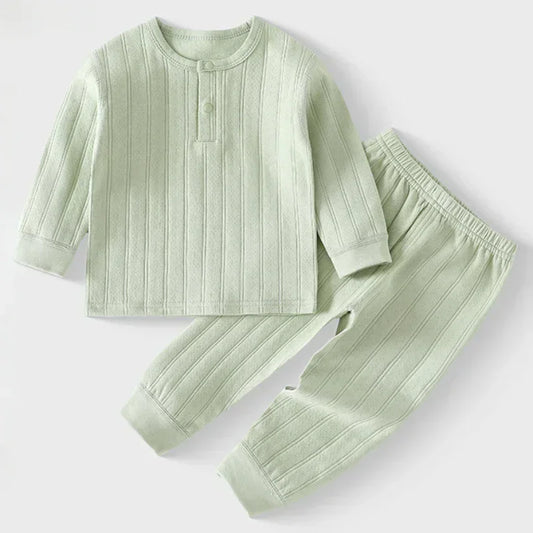
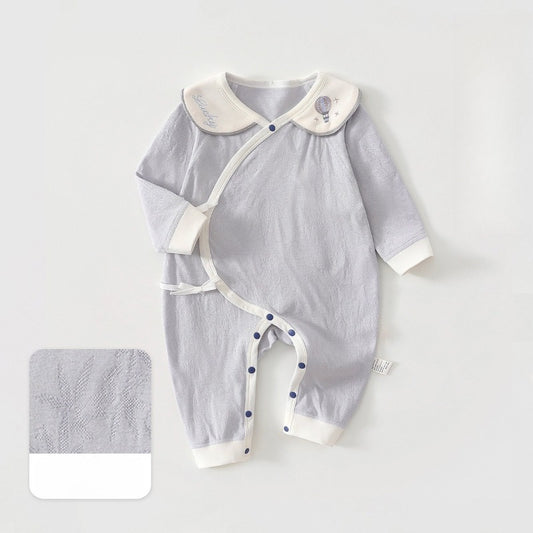
Using cheap, dull, or oversized tools is where the agitation begins. Traditional metal clippers can easily pinch the skin, causing pain and bleeding—a traumatic experience for both the infant and the parent. Furthermore, if you are using rough, synthetic fabrics for bedding or clothing, those jagged nail edges are even more likely to snag, leading to tears in the fabric and potential injury to the baby's cuticles. This is why many experts recommend transitioning to organic cotton clothing and bedding; the natural fibers are far gentler on the skin and less likely to cause irritation if a scratch does occur during the night.
Choosing the Right Tools for Tiny Fingertips
To ensure a safe experience, you need the right gear. Forget the heavy-duty clippers in your medicine cabinet and look for tools specifically engineered for infants:
- Electric Baby Nail Files: These are the gold standard. They use soft sandpaper pads to gently buff away the nail without any risk of cutting the skin.
- Safety Scissors: Designed with rounded tips to prevent accidental pokes while providing more control than standard clippers.
- Magnifying Clippers: Some clippers come with a built-in magnifying glass to help you see exactly where the nail ends and the skin begins.
Square or Round? The Best Nail Shapes for Infants
When it comes to the shape of the nail, there is a science to it. For toenails, a straight-across 'square' cut is best to prevent painful ingrown nails. However, for fingernails, a slightly rounded shape is preferred. By gently rounding the corners with a fine emery board, you eliminate the sharp 'points' that do the most damage during those late-night face-scratches.
Step-by-Step Guide to a Tear-Free Trim
- Timing is Everything: The best time to trim is when the baby is deeply asleep or immediately after a bath when nails are softest.
- Ensure Good Lighting: Use natural sunlight or a bright lamp to avoid shadows.
- The Gentle Hold: Press the finger pad away from the nail to get a clear view of the edge.
- Smooth the Edges: Use an emery board to finish the job, ensuring no snags remain.
Final Thoughts
Mastering the art of the baby manicure takes patience and the right tools. By opting for safe, purpose-built files and maintaining a rounded shape, you protect your baby's skin and your own peace of mind. Combine this care with high-quality organic cotton essentials to create the safest, softest environment for your little one to grow. Happy trimming!
![[2-Pieces Set] 100% Cotton Long-Sleeve Kimono Romper - Blue & Blue Stripe](http://www.organiccottonclubs.com/cdn/shop/files/2_afd198b870f106588ecfc526d714b7a8.jpg?v=1764440625&width=533)


![[2-Pieces Set] 100% Cotton Long Sleeve Side-Snap Bodysuit - Pink & Pink Stripe](http://www.organiccottonclubs.com/cdn/shop/files/2_e34e329d03103a1ef2a830ed0f72d8f4.jpg?v=1759165907&width=533)
![[2-Pieces Set] 100% Cotton Long Sleeve Snapup Romper - Green & Green Stripe](http://www.organiccottonclubs.com/cdn/shop/files/4_dcde8d24f74c34bd214567f4011b27d7.jpg?v=1759166636&width=533)