


Baby Room Temperature Guide: Safe Ranges for Every Season
Share
Is Your Nursery Too Hot or Too Cold? The Hidden Struggle of Baby Sleep Safety
Every new parent knows the midnight anxiety of checking the thermostat. You tip-toe into the nursery, wondering if that slight chill in the air is refreshing or risky, or if the summer heat is making your little one sweat through their pajamas. It is a constant guessing game that keeps you awake long after the baby has finally drifted off. The struggle is real: maintaining the perfect environment is not just about comfort; it is about safety. Research shows that overheating is a significant risk factor for SIDS, yet many traditional nursery items are made from synthetic materials that trap heat and moisture, making temperature regulation nearly impossible for a newborn's developing system.
Why Cheap Materials and Fluctuating Temps Are a Risky Mix
When you rely on polyester blends or thick, non-breathable blankets, you are inadvertently creating a greenhouse effect around your baby. Unlike adults, infants cannot regulate their body temperature efficiently. They do not sweat like we do to cool down, and they cannot simply kick off a heavy layer if they get too warm. This agitation leads to restless sleep, heat rashes, and, most importantly, increased safety risks. If the room is too cold, the baby uses vital energy just to stay warm instead of growing and resting. If it is too hot, they can fall into a dangerously deep sleep that is hard to wake from. You need a reliable system that works across every season.
The Ultimate Solution: Organic Cotton and the 68-72 Degree Rule
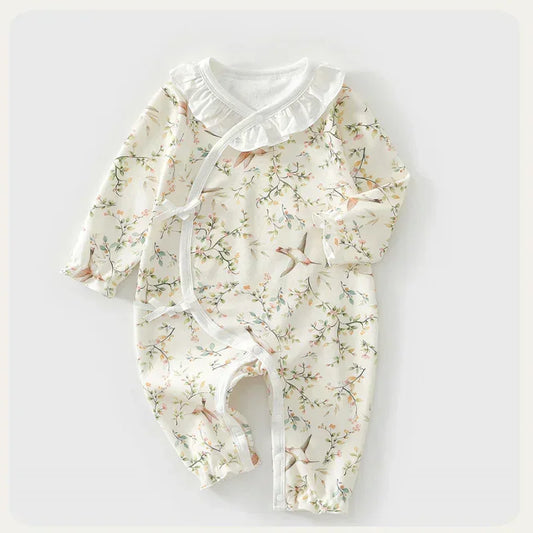
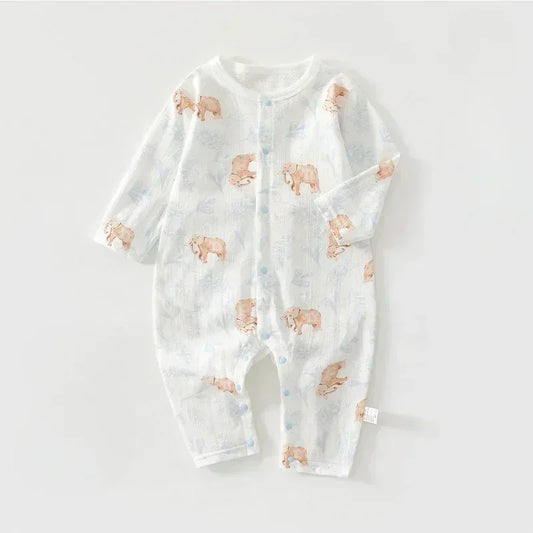
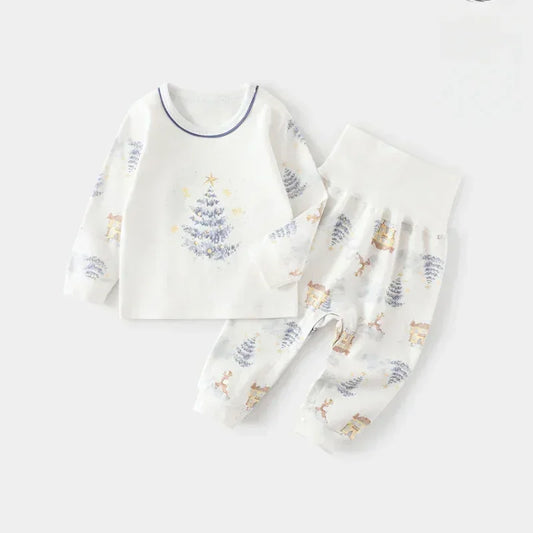
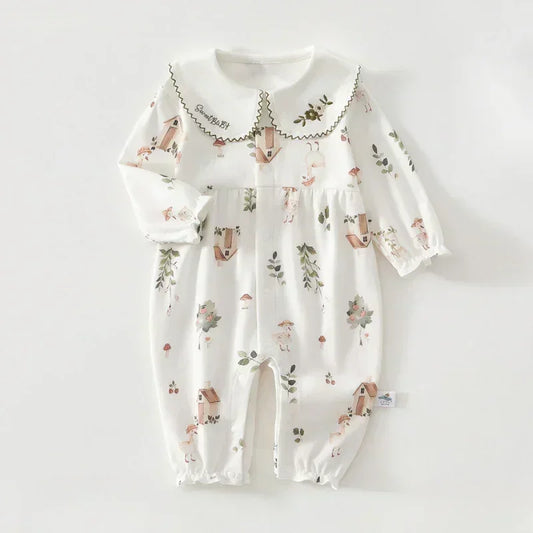
The gold standard for a safe nursery is maintaining a temperature between 68 and 72 degrees Fahrenheit (20 to 22 degrees Celsius). To achieve this balance, the secret weapon is high-quality, GOTS-certified organic cotton. Organic cotton is naturally breathable and moisture-wicking, allowing air to circulate around your baby's skin. This prevents the 'overheating trap' common with synthetic sleepwear. In the winter, layer with a higher TOG (Thermal Overall Grade) rated organic sleep sack. In the summer, a simple organic cotton swaddle or lightweight onesie is all they need. By focusing on natural fibers and a steady thermostat, you create a micro-climate that supports deep, safe, and restorative sleep for your little one.
Seasonal Guide to Nursery Comfort
- Spring/Autumn: Use a 1.0 TOG sleep sack with a long-sleeve cotton bodysuit. Monitor for sudden night-time temperature drops.
- Summer: Keep the room cool with a fan (not aimed directly at the baby). Use a 0.5 TOG lightweight muslin swaddle and ensure the room stays under 74 degrees.
- Winter: Aim for a 2.5 TOG sleep sack. Layer with a footed sleeper if the room dips below 68 degrees, but never use loose blankets or space heaters near the crib.
Signs Your Baby Is Too Warm
Always check your baby's chest or the back of their neck. Their hands and feet should naturally feel slightly cool to the touch; this is not a sign they are cold. If their chest feels hot, clammy, or sweaty, or if their cheeks are flushed, they are likely overheating. Immediately remove a layer of clothing and check the room temperature.
Final Thoughts on Safe Sleep
Creating a safe sleep environment is one of the greatest gifts you can give your baby and yourself. By choosing organic materials and staying within the recommended temperature ranges, you eliminate the guesswork and the worry. Remember, a slightly cooler room is always safer than a room that is too warm. Trust your instincts, invest in breathable fabrics, and enjoy the peace of mind that comes with a perfectly regulated nursery.
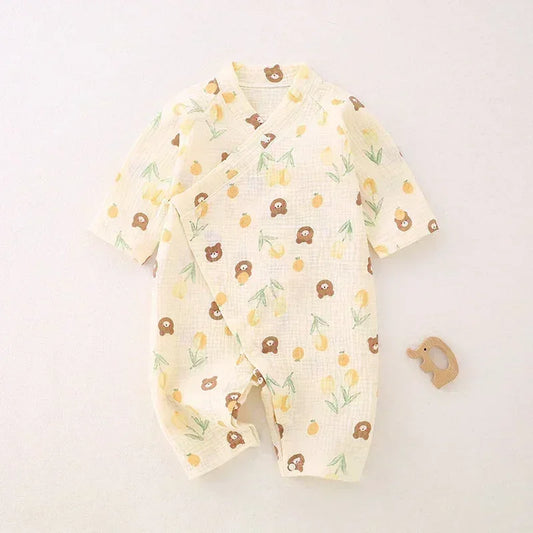
![[2-Pieces Set] 100% Cotton Long-Sleeve Kimono Romper - Blue & Blue Stripe](http://www.organiccottonclubs.com/cdn/shop/files/2_afd198b870f106588ecfc526d714b7a8.jpg?v=1764440625&width=533)


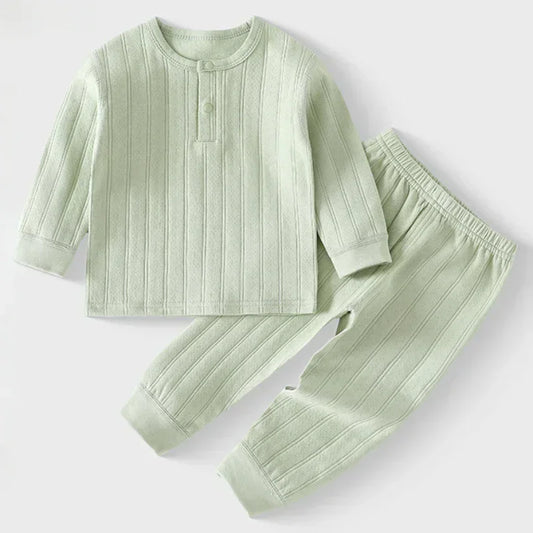
![[2-Pieces Set] 100% Cotton Long Sleeve Side-Snap Bodysuit - Pink & Pink Stripe](http://www.organiccottonclubs.com/cdn/shop/files/2_e34e329d03103a1ef2a830ed0f72d8f4.jpg?v=1759165907&width=533)
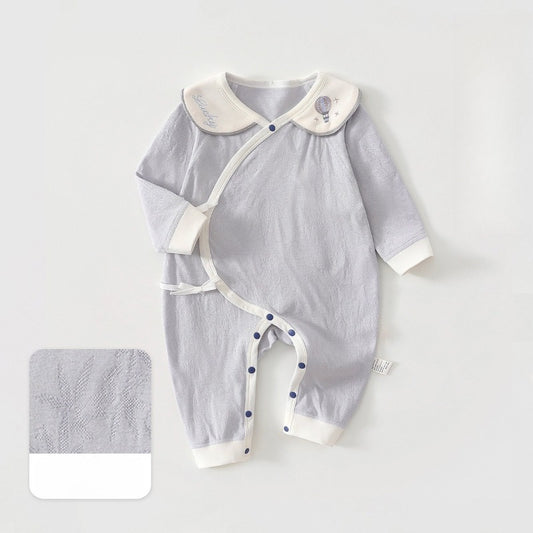
![[2-Pieces Set] 100% Cotton Long Sleeve Snapup Romper - Green & Green Stripe](http://www.organiccottonclubs.com/cdn/shop/files/4_dcde8d24f74c34bd214567f4011b27d7.jpg?v=1759166636&width=533)