

Baby Shoe Size Guide: Don't Buy the Wrong Size!
Share
The Ultimate Baby Shoe Size Guide: Ensure the Perfect Fit for Growing Feet
Buying your first pair of baby shoes is a milestone every parent cherishes, but it quickly turns into a source of anxiety. Are they too tight? Are they falling off? Most parents end up purchasing the wrong size because baby feet are notoriously difficult to measure, and sizing standards vary wildly between brands. This 'sizing guesswork' isn't just a minor inconvenience—it can actually impact your child's physical development.
The Hidden Dangers of Poorly Fitted Baby Shoes
Many parents fall into the trap of buying shoes that are slightly too big to 'grow into,' or keeping their little ones in shoes they have already outgrown. Unlike adult feet, a baby's feet are mostly cartilage. They are soft, pliable, and extremely sensitive to pressure. If a shoe is too small or made from rigid, unforgiving materials, it can restrict the natural growth of the foot, leading to alignment issues or even permanent deformities over time.
Why Cheap Fabrics and Synthetics Hurt More Than You Think
It is not just about the length and width; it is about the environment inside the shoe. Cheap, mass-produced baby shoes are often made from synthetic plastics or treated leathers that do not breathe. This leads to excessive sweating, which causes friction, blisters, and fungal infections. Furthermore, these synthetic materials lack the flexibility needed for a baby who is learning to crawl or cruise. When a shoe is stiff and made of 'plastic-heavy' fabric, it prevents the toes from splaying naturally, which is crucial for balance.
The Solution: How to Measure Your Baby's Feet Like a Pro
To avoid the 'wrong size' trap, you need an accurate measurement. Forget trying to hold a ruler up to a kicking infant. Instead, place a piece of paper on a firm surface, set your baby's foot down (applying light pressure so the foot spreads naturally), and mark the tip of the longest toe and the back of the heel. Measure the distance between these two marks in centimeters. Always add about 1cm (0.4 inches) of 'wiggle room' to your measurement. This allows for natural growth and movement without the shoe becoming a restriction. If your baby is between sizes, always size up.
The Organic Advantage: Why Material Matters as Much as Size
Once you have the right dimensions, the next step is choosing the right material. This is where organic cotton and natural fibers become essential. Organic cotton is hypoallergenic, chemical-free, and offers a level of breathability that synthetics simply cannot match. For a developing foot, a soft-soled shoe made from organic materials acts like a second skin.
Choosing organic cotton for baby footwear provides several key benefits:
- Superior Breathability: Keeps tiny feet dry and prevents the skin irritation associated with sweat and friction.
- Natural Flexibility: Allows the foot to move, bend, and grow without the structural resistance of hard plastics.
- Non-Toxic Growth: Since babies often put their feet in their mouths, organic fabrics ensure they aren't ingesting harmful dyes or pesticides.
- Eco-Friendly Durability: High-quality organic fibers last longer and are better for the planet your child will inherit.
Final Thoughts
Finding the perfect baby shoe size is a blend of accurate measurement and choosing the right materials. Don't let your child struggle with stiff, synthetic shoes that hinder their first steps. By prioritizing organic fabrics and following a strict measurement guide, you are supporting their development and ensuring their comfort. Remember: healthy feet start with the right fit and the right fabric. Happy shoe shopping!
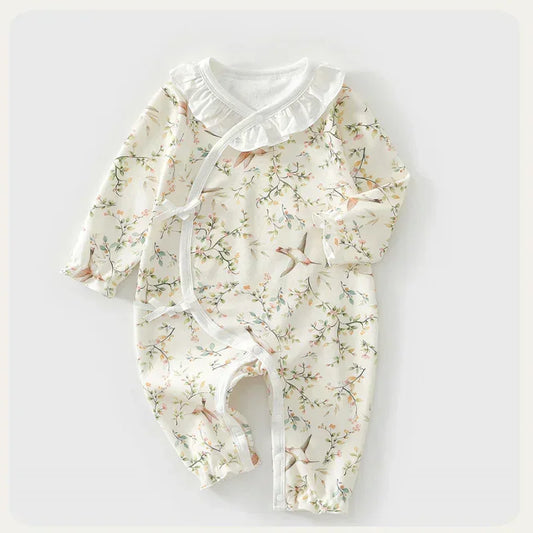
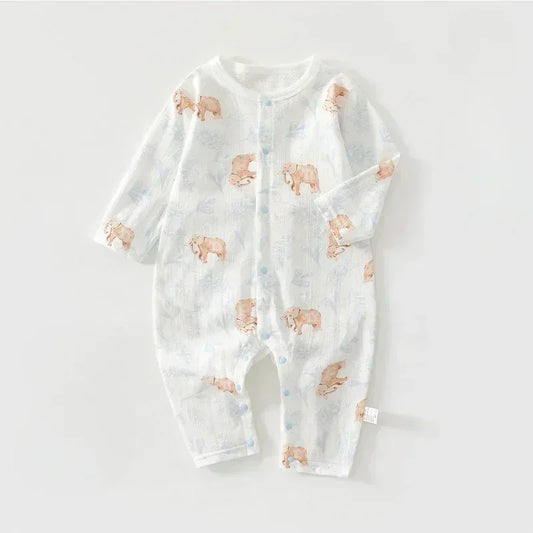
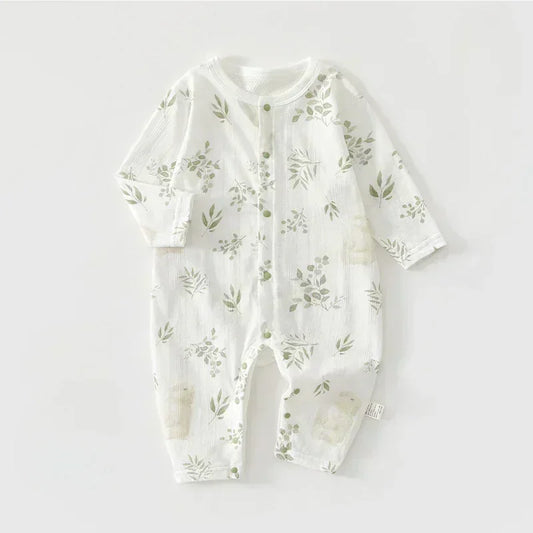
![[2-Pieces Set] 100% Cotton Long-Sleeve Kimono Romper - Blue & Blue Stripe](http://www.organiccottonclubs.com/cdn/shop/files/2_afd198b870f106588ecfc526d714b7a8.jpg?v=1764440625&width=533)

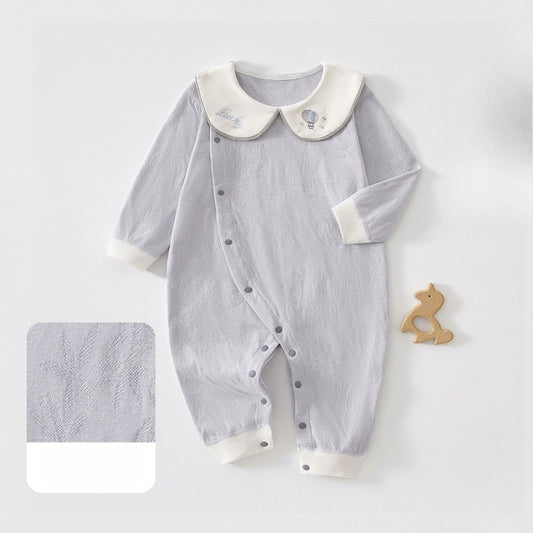

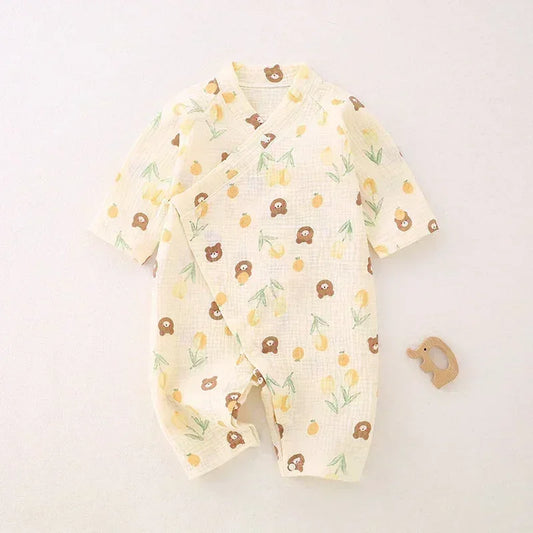
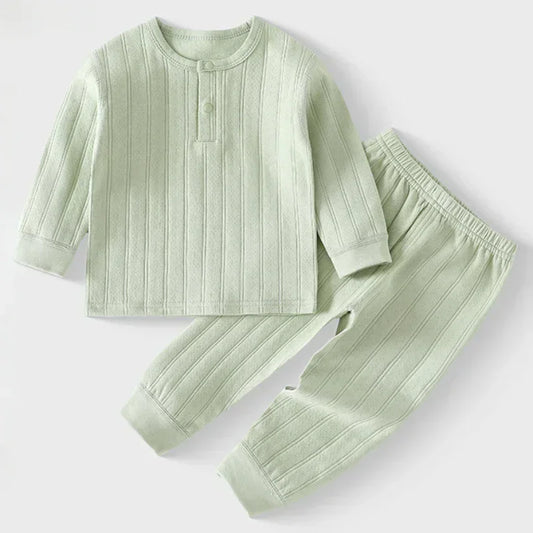
![[2-Pieces Set] 100% Cotton Long Sleeve Side-Snap Bodysuit - Pink & Pink Stripe](http://www.organiccottonclubs.com/cdn/shop/files/2_e34e329d03103a1ef2a830ed0f72d8f4.jpg?v=1759165907&width=533)
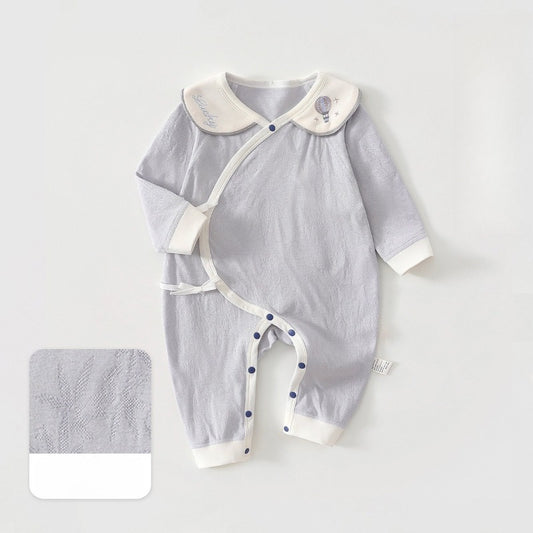
![[2-Pieces Set] 100% Cotton Long Sleeve Snapup Romper - Green & Green Stripe](http://www.organiccottonclubs.com/cdn/shop/files/4_dcde8d24f74c34bd214567f4011b27d7.jpg?v=1759166636&width=533)