

Baby Sign Language: Top 4 Essential Signs
Share
The Heart-Wrenching Mystery of Your Baby's Tears
Every parent knows the suffocating feeling of helplessness when their little one is crying and they just cannot figure out why. You have checked the diaper, tried the bottle, and rocked them for hours in the nursery, yet the fussing continues. This communication gap is the primary source of stress for new parents, leading to sleepless nights and a feeling of disconnect. We often assume that crying is the only way a baby can communicate, but what if there was a way to unlock their thoughts months before they could form their first spoken word?
The Agitation: When Physical Discomfort Meets Frustration
Oftentimes, the struggle is deeper than just hunger or a wet diaper. Imagine being unable to speak while wearing scratchy, synthetic fabrics that irritate your ultra-sensitive skin. Many mass-produced baby clothes are treated with harsh chemicals, fire retardants, and use cheap polyester blends that trap heat and cause micro-rashes. When your baby is physically uncomfortable due to these low-quality materials, their cognitive ability to focus and communicate via early gestures is severely diminished. A fussy, itchy baby is a baby who cannot learn or express themselves clearly. The friction from non-organic fibers adds a layer of sensory overload that makes an already frustrated baby even more prone to meltdowns. If we want our children to communicate, we must first ensure their environment—starting with what touches their skin—is calm and soothing.
The Solution: Organic Comfort Meets Early Communication
To bridge the gap and end the guessing game, we recommend a holistic, two-fold approach: physical comfort through high-quality organic cotton and cognitive empowerment through baby sign language. Organic cotton is breathable, hypoallergenic, and free from the toxic residues found in conventional textiles, ensuring your baby stays calm and physically at ease. Once they are comfortable and free from the distraction of itchy skin, they are primed to learn. Baby sign language is a proven method to reduce frustration by giving infants the tools to express their needs. Here are the top 4 essential signs to start your journey.
1. The Sign for Milk
This is almost always the first sign a baby will master because the motivation is so high. To sign 'milk', simply open and close your hand into a fist, as if you are squeezing a ball or milking a cow. Consistency is key; perform this sign every time you are about to nurse or offer a bottle. By associating the sign with the reward, your baby learns that they can request nourishment without having to reach the point of a full-blown hunger cry.
2. The Sign for More
The sign for 'more' is incredibly versatile and powerful. Bring your thumbs and fingers together on both hands to form an 'O' shape, then tap your fingertips together repeatedly. This is a vital tool for mealtime, play, or even during a favorite song. It allows your baby to tell you they want another bite of food or more time with a favorite toy, preventing the 'all or nothing' tantrum that occurs when an activity stops unexpectedly.
3. The Sign for All Done
Communication is not just about what a baby wants; it is also about what they are finished with. To sign 'all done', hold your hands up with palms facing you, then twist them quickly so your palms face away. This helps your baby signal when they are full, bored, or finished with a bath. Giving your child the autonomy to say 'no more' in a constructive way builds immense trust and reduces the power struggles that often occur during transitions.
4. The Sign for Sleep
Identifying tiredness before a baby becomes 'overtired' is the holy grail of parenting. To sign 'sleep', place your hand over your forehead with your fingers spread, then pull your hand down over your face until your fingers and thumb touch your chin. Using this sign as part of your bedtime routine—while your baby is cozy in their organic cotton sleep sack—creates a strong neurological association between the gesture and the onset of rest. Eventually, your baby will be able to tell you they are tired before they start rubbing their eyes or becoming inconsolable.
Final Thoughts on Early Communication
By combining the soothing, natural nature of organic cotton with the functional power of baby sign language, you are creating a nurturing environment where your child feels both heard and physically held in comfort. It is not just about teaching signs; it is about building a foundation of confidence and understanding. When your baby realizes that their hands can 'speak' and that their body is comfortable in pure, organic fabrics, their world becomes a much happier place. Start with these 4 signs today and watch your bond grow stronger with every tiny gesture.
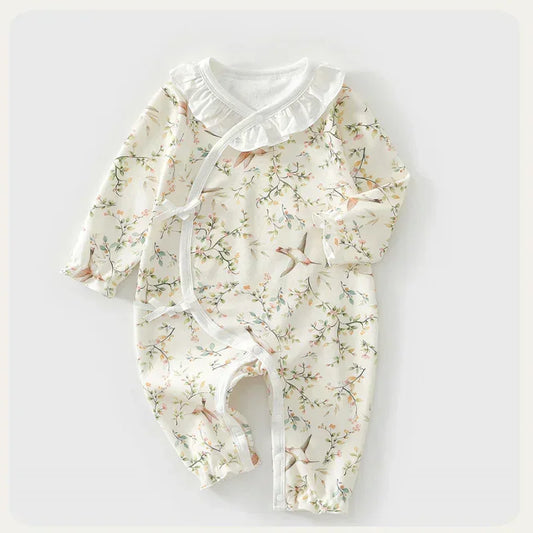
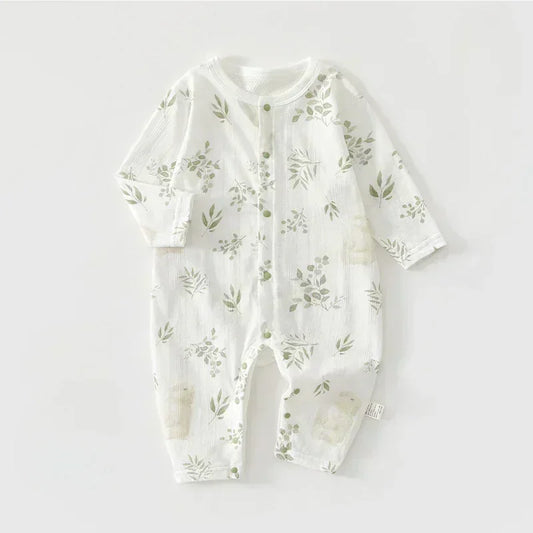
![[2-Pieces Set] 100% Cotton Long-Sleeve Kimono Romper - Blue & Blue Stripe](http://www.organiccottonclubs.com/cdn/shop/files/2_afd198b870f106588ecfc526d714b7a8.jpg?v=1764440625&width=533)

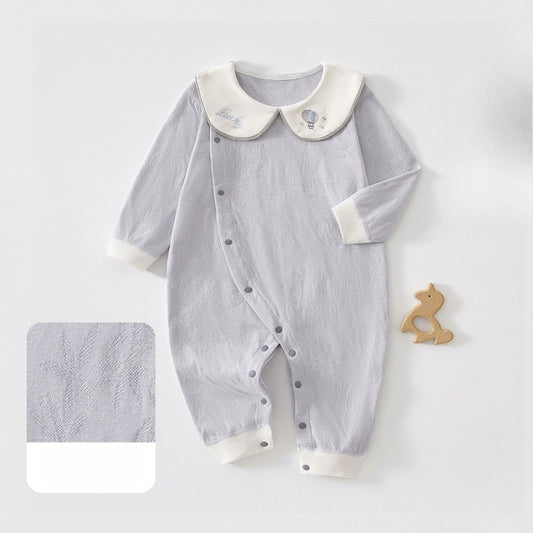

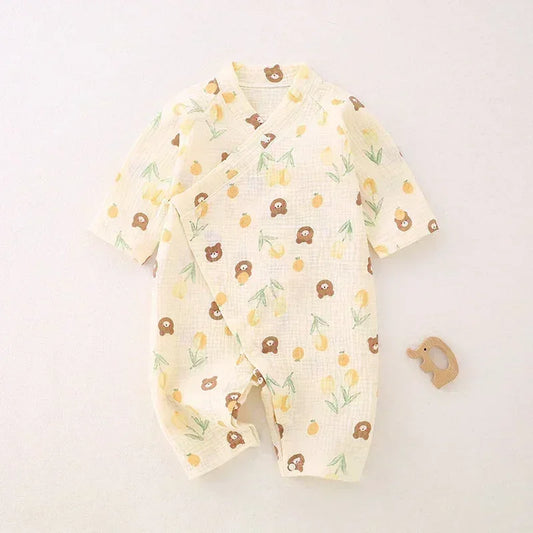
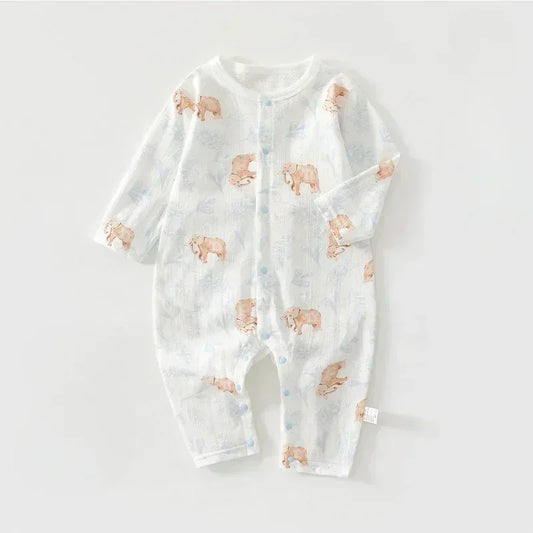
![[2-Pieces Set] 100% Cotton Long Sleeve Side-Snap Bodysuit - Pink & Pink Stripe](http://www.organiccottonclubs.com/cdn/shop/files/2_e34e329d03103a1ef2a830ed0f72d8f4.jpg?v=1759165907&width=533)
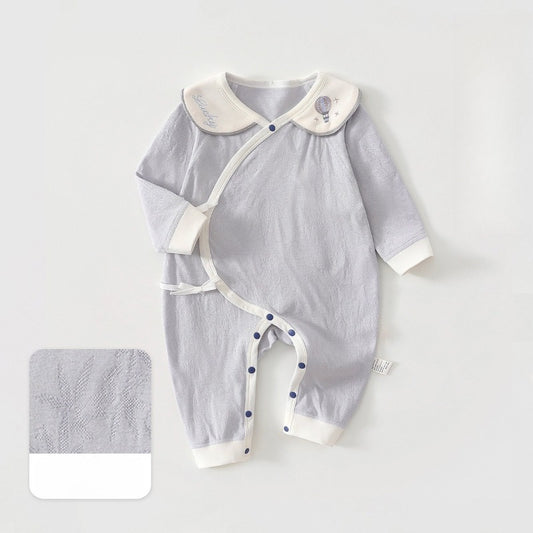
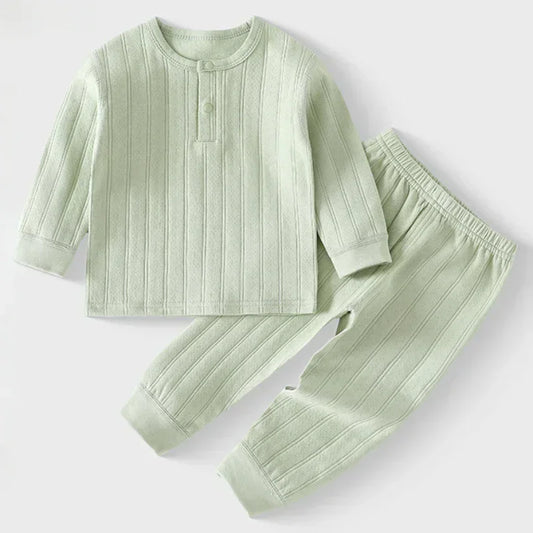
![[2-Pieces Set] 100% Cotton Long Sleeve Snapup Romper - Green & Green Stripe](http://www.organiccottonclubs.com/cdn/shop/files/4_dcde8d24f74c34bd214567f4011b27d7.jpg?v=1759166636&width=533)