

Baby Skincare Ingredients to Avoid: The Full List
Share
The Hidden Dangers in Your Nursery Cabinet
Becoming a parent feels like learning a new language overnight. Between sleep schedules and feeding milestones, the last thing you want to worry about is whether your baby bath wash is actually safe. You reach for a bottle with a cute duck on it, assuming it is gentle, but the reality behind the label can be startling. Many products marketed for infants are formulated with industrial-grade surfactants and preservatives that can lead to chronic irritation and long-term health concerns.
The Problem: A Label Maze
Your little one is precious, and their skin is their first line of defense. However, baby skin is up to 30 percent thinner than an adult, making it far more permeable to chemicals. This heightened sensitivity means that whatever you apply to their limbs is absorbed much more quickly into their bloodstream. When manufacturers prioritize shelf-life and suds over safety, your baby pays the price.
The Agitation: Why Cheap Ingredients Hurt
Harsh synthetic detergents strip away the natural oils that protect a newborn delicate barrier. This often leads to the agitation of conditions like eczema, cradle cap, and painful contact dermatitis. Furthermore, certain common additives are known endocrine disruptors, meaning they can interfere with hormonal development during these critical early years. A pleasant scent might hide a cocktail of hundreds of undisclosed chemicals that trigger respiratory issues or severe allergies. If you have ever wondered why your baby skin is suddenly dry or flaky despite constant moisturizing, the culprit might be hiding in your favorite lotion bottle.
The Solution: The Ultimate 'Avoid' List
The best way to protect your child is to become a conscious label reader. Here is the definitive list of ingredients to steer clear of:
- Parabens (Methyl, Ethyl, Propyl): Used as preservatives, these are linked to hormonal imbalances and reproductive issues.
- Phthalates: Often hidden under the term 'fragrance', these help scents last longer but are toxic to development.
- Sulfates (SLS/SLES): These create foam but are notorious for causing skin irritation and eye stinging.
- Synthetic Fragrance: A catch-all term for thousands of chemicals that can cause asthma and allergic reactions.
- Formaldehyde Releasers: Chemicals like DMDM hydantoin slowly release small amounts of formaldehyde to prevent mold, which is a known human carcinogen.
- Mineral Oil: A petroleum byproduct that coats the skin like plastic wrap, preventing it from breathing or releasing toxins.
- Phenoxyethanol: Often used as a 'safer' paraben alternative, it can still cause skin reactions and nervous system issues in infants.
- Polyethylene Glycol (PEGs): These are often contaminated with 1,4-dioxane, a potential carcinogen.
Choosing Better Alternatives
Transitioning to a cleaner nursery does not have to happen all at once. Start by replacing the products used most frequently, like lotions and body washes. Look for organic certifications and shorter ingredient lists. By choosing plant-based, fragrance-free options like organic cotton cloths for cleaning and cold-pressed oils for moisturizing, you are giving your baby the purest start possible. Look for labels that explicitly state they are sulfate-free and paraben-free, but always double-check the fine print on the back. Your peace of mind is worth every second spent reading that fine print.
Final Thoughts
Parenting is a journey of a thousand choices, and choosing safe skincare is one of the most impactful ones you can make. By removing these common irritants, you create a safer environment for your child to grow and thrive. Remember, when it comes to baby skin, less is almost always more. Stick to the basics, trust your intuition, and always prioritize purity over packaging.
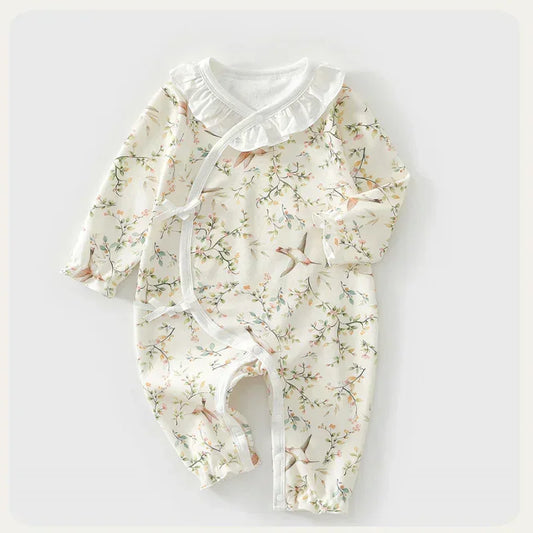
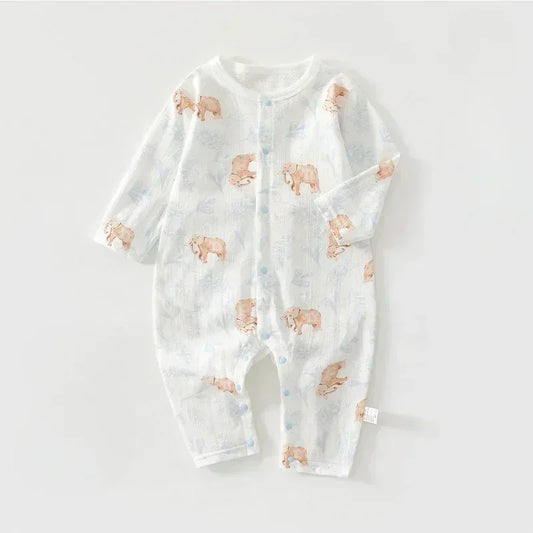
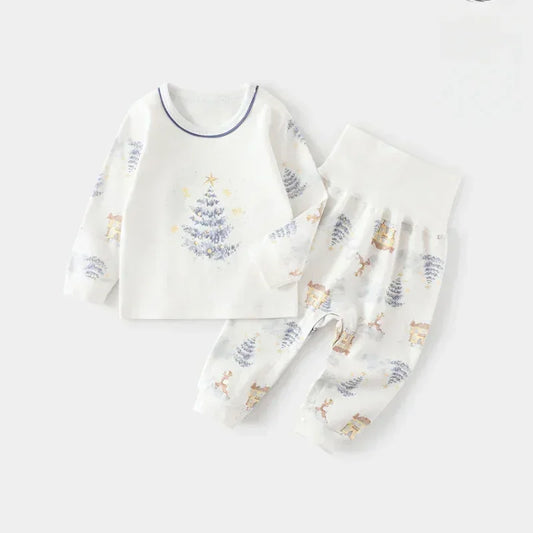
![[2-Pieces Set] 100% Cotton Long-Sleeve Kimono Romper - Blue & Blue Stripe](http://www.organiccottonclubs.com/cdn/shop/files/2_afd198b870f106588ecfc526d714b7a8.jpg?v=1764440625&width=533)


![[2-Pieces Set] 100% Cotton Long Sleeve Side-Snap Bodysuit - Pink & Pink Stripe](http://www.organiccottonclubs.com/cdn/shop/files/2_e34e329d03103a1ef2a830ed0f72d8f4.jpg?v=1759165907&width=533)
![[2-Pieces Set] 100% Cotton Long Sleeve Snapup Romper - Green & Green Stripe](http://www.organiccottonclubs.com/cdn/shop/files/4_dcde8d24f74c34bd214567f4011b27d7.jpg?v=1759166636&width=533)