


Baby Sleep Outfit Guide by Room Temperature
Share
The 3 AM Struggle: Why Is My Baby Always Waking Up?
Every new parent knows the feeling. You finally lay your little one down, only to have them wake up thirty minutes later, fussing and restless. You check the diaper, you offer a feeding, but nothing seems to work. The culprit is often hidden in plain sight: the nursery temperature and what they are wearing. Mastering the 'Baby Sleep Outfit Guide by Room Temperature' is the secret to longer stretches of sleep for both you and your baby. When a baby is too hot or too cold, their tiny bodies work overtime to regulate temperature, preventing them from falling into deep, restorative REM sleep. This frustration can lead to burnout and exhaustion, leaving you searching for answers in the middle of the night.
The Hidden Danger of Synthetic Sleepwear
Many parents reach for cute, affordable polyester sleepers without realizing the agitation they can cause. Synthetic fabrics are essentially plastic; they do not breathe. When your baby's room shifts even a few degrees, these materials trap heat and moisture against their sensitive skin. This leads to overheating, sweat-induced rashes, and extreme discomfort. Cheap materials often contain harsh chemicals and dyes that can irritate a newborn's delicate skin barrier. You think you are saving money, but you are actually paying the price in lost sleep and a grumpy, uncomfortable infant. A baby who is sweating in a polyester fleece sack is a baby who will not sleep through the night, creating a cycle of stress for the entire household.
The Organic Solution: Why Material Matters
The solution lies in high-quality, organic cotton and understanding the 'TOG' (Thermal Overall Grade) rating. Organic cotton is naturally breathable and moisture-wicking, ensuring that your baby stays at a consistent, safe temperature all night long. Unlike synthetic blends, organic cotton allows air to circulate, preventing the dangerous spike in body heat that is often linked to SIDS risks. By investing in organic cotton layers, you are choosing a fabric that is free from pesticides and hypoallergenic, providing a soft, soothing touch that signals to your baby's brain that it is time to rest. Transitioning to a temperature-regulated wardrobe is the first step toward a peaceful nursery and a healthy development path for your little one.
The Essential Room Temperature Guide
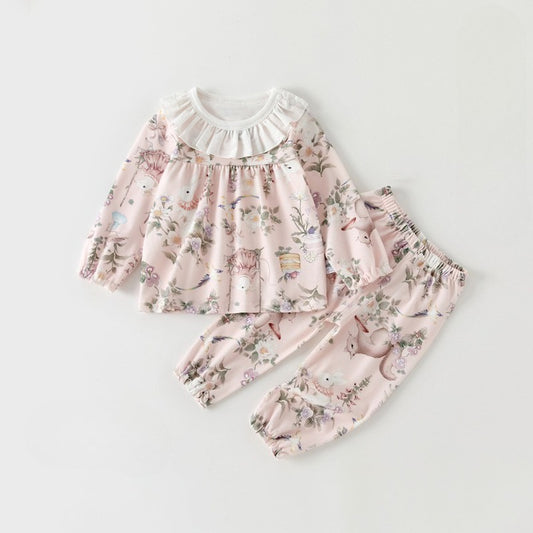
- 61-64°F (16-18°C): This is a cool room. Use a 2.5 TOG sleep sack with a long-sleeve cotton bodysuit and leggings or a footie underneath.
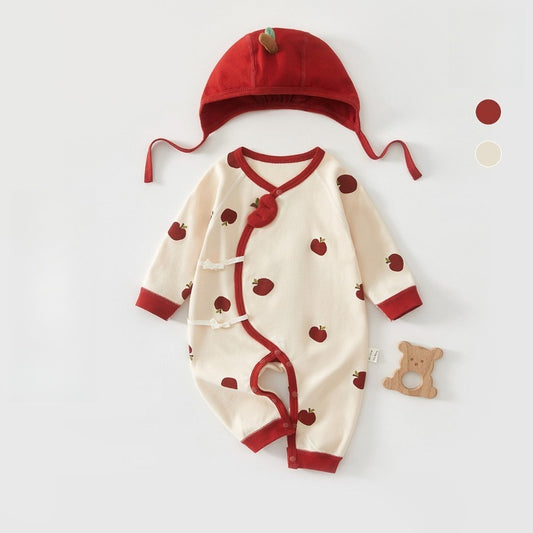
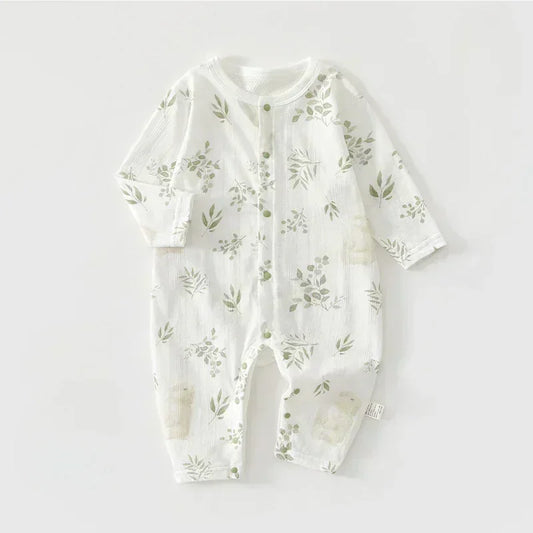
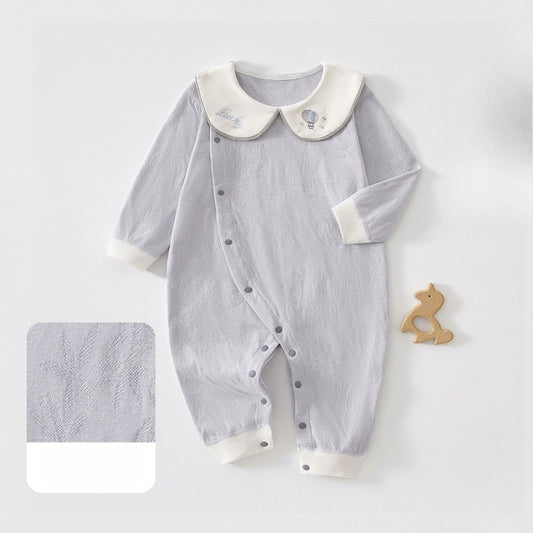
- 65-70°F (19-21°C): The ideal range. A 1.0 TOG sleep sack paired with a long-sleeve cotton footie is usually perfect for most babies.
- 71-75°F (22-24°C): A warmer room. Opt for a 0.5 TOG lightweight sleep sack and a short-sleeve bodysuit to maintain airflow.
- Over 75°F (24°C+): Keep it minimal. A 0.2 TOG muslin swaddle or just a single-layer cotton bodysuit is sufficient to prevent overheating.
Final Thoughts on Safe Sleep
Finding the perfect balance takes a little practice, but once you align your baby's sleepwear with the ambient temperature, the results are life-changing. Always check your baby's chest or the back of their neck to gauge their warmth—their hands and feet are naturally cooler and not a reliable indicator of core temperature. By choosing organic fabrics and following a reliable TOG guide, you are creating a safe, cozy environment where your little one can thrive. Sweet dreams are just one outfit change away.
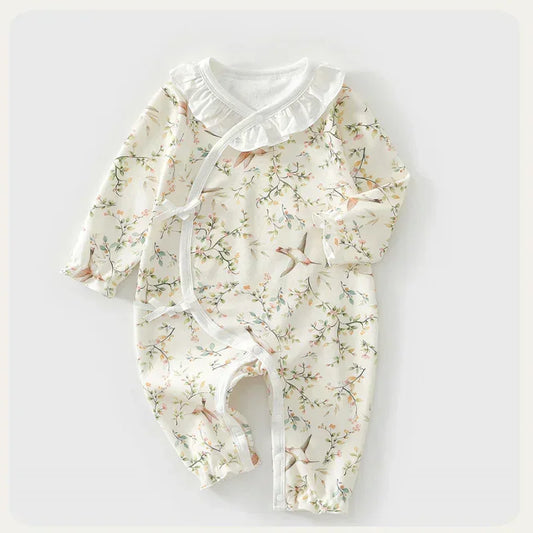
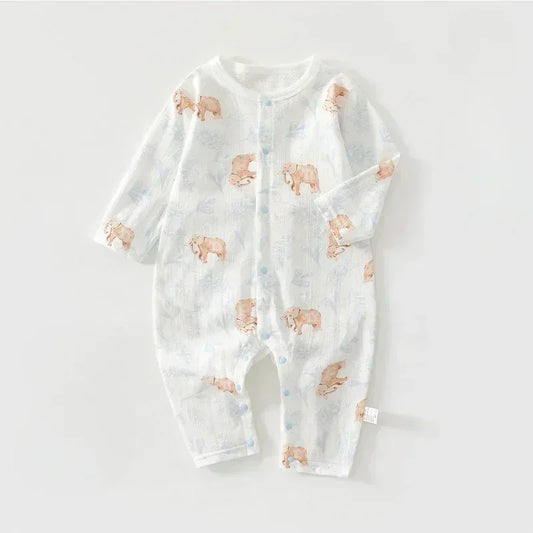
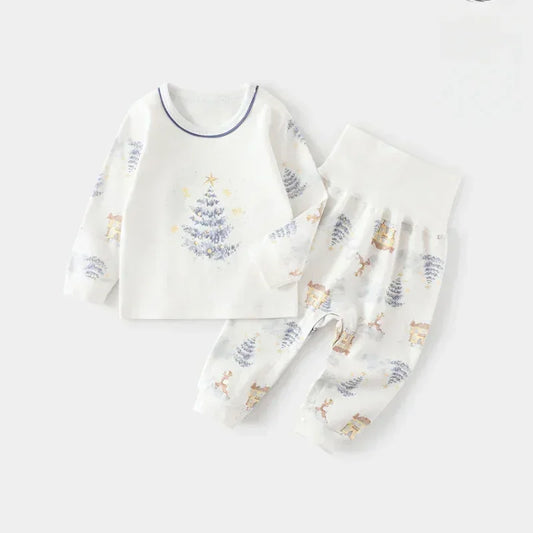
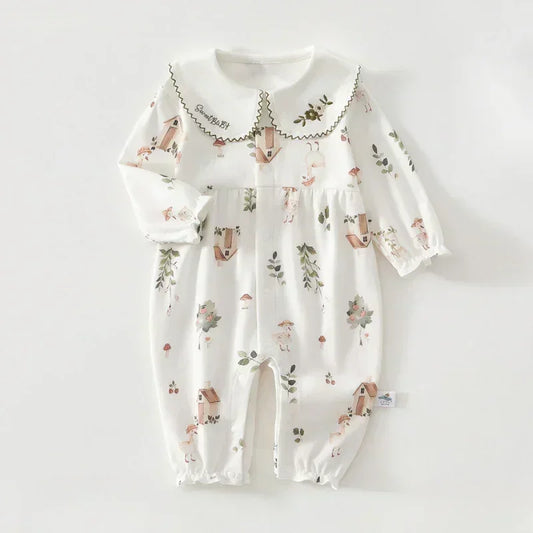
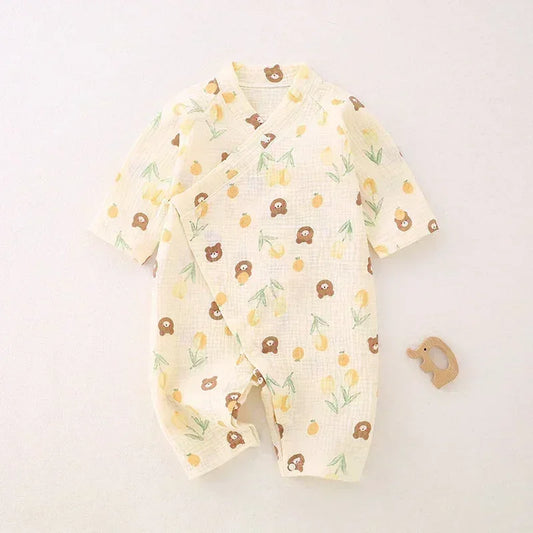
![[2-Pieces Set] 100% Cotton Long-Sleeve Kimono Romper - Blue & Blue Stripe](http://www.organiccottonclubs.com/cdn/shop/files/2_afd198b870f106588ecfc526d714b7a8.jpg?v=1764440625&width=533)


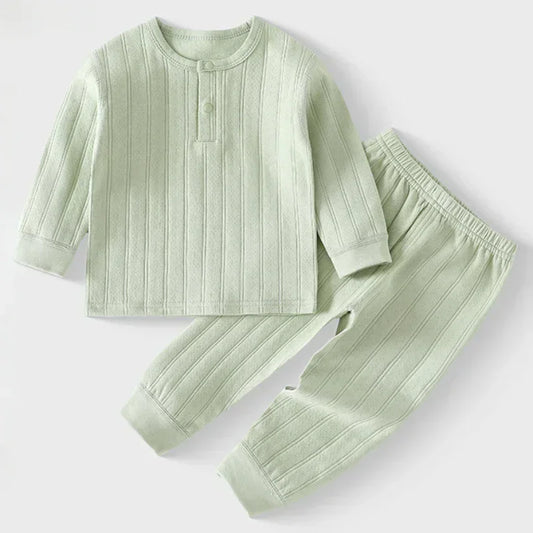
![[2-Pieces Set] 100% Cotton Long Sleeve Side-Snap Bodysuit - Pink & Pink Stripe](http://www.organiccottonclubs.com/cdn/shop/files/2_e34e329d03103a1ef2a830ed0f72d8f4.jpg?v=1759165907&width=533)
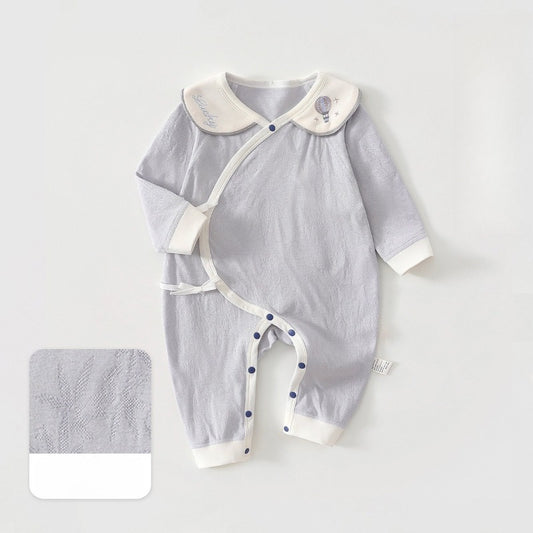
![[2-Pieces Set] 100% Cotton Long Sleeve Snapup Romper - Green & Green Stripe](http://www.organiccottonclubs.com/cdn/shop/files/4_dcde8d24f74c34bd214567f4011b27d7.jpg?v=1759166636&width=533)