


Beach Day with a Newborn: Safe Sun Protection Checklist
Share
The Dream of a Perfect Beach Day with Your Newborn
Every new parent envisions that first trip to the shore: the sound of rhythmic waves, the feeling of soft sand between toes, and a peaceful baby napping soundly in the shade. It is a milestone moment that signifies a return to the activities you loved before parenthood. However, the reality of taking a newborn into a coastal environment can quickly become overwhelming. Between the intense UV rays, the reflecting heat from the sand, and the complexity of infant skin care, the dream can easily turn into a stressful ordeal. The struggle to balance vitamin sea with safety is a common hurdle for every modern family.
The Hidden Risks: Why Standard Protection Fails
When we think of sun protection, the first instinct is often to reach for a bottle of sunscreen. But for a newborn under six months, this is not always the safest choice. Standard baby sunscreens are frequently formulated with chemical filters like oxybenzone or avobenzone, which can be absorbed into an infant's highly permeable skin. This can lead to irritation, contact dermatitis, or systemic absorption that parents are rightly concerned about. Furthermore, many parents rely on cheap, synthetic fabrics for baby swimwear or stroller covers. Polyester and nylon, while common, often lack breathability and can trap heat against the baby's body, leading to painful heat rashes or, more dangerously, overheating. A newborn's inability to regulate their body temperature effectively means that poor material choices can have serious consequences beyond just a simple sunburn.
The Organic Solution: Prioritizing Natural Barriers
The safest and most effective way to protect a newborn is to move away from chemical solutions and toward physical barriers. This is where the choice of materials becomes the hero of your beach day. Organic cotton and high-quality linen are the gold standards for infant sun safety. Unlike synthetic fibers, organic cotton is grown without toxic pesticides and processed without harsh bleaches or dyes. It offers a naturally high level of breathability, allowing air to circulate around the baby's skin and moisture to wick away, which is crucial in preventing heat stroke. By creating a 'micro-climate' of shade using natural textiles, you provide a shield that is both effective against UV rays and gentle on the most sensitive skin.
The Ultimate Newborn Beach Safety Checklist
- Strategic Timing: The sun is at its most damaging between 10:00 AM and 4:00 PM. Plan your beach excursion for the early morning or the golden hour of late afternoon to minimize exposure.
- Physical Shade: A UV-rated pop-up tent or a heavy-duty beach umbrella is non-negotiable. Ensure the tent has mesh windows for cross-ventilation to prevent the interior from becoming a sauna.
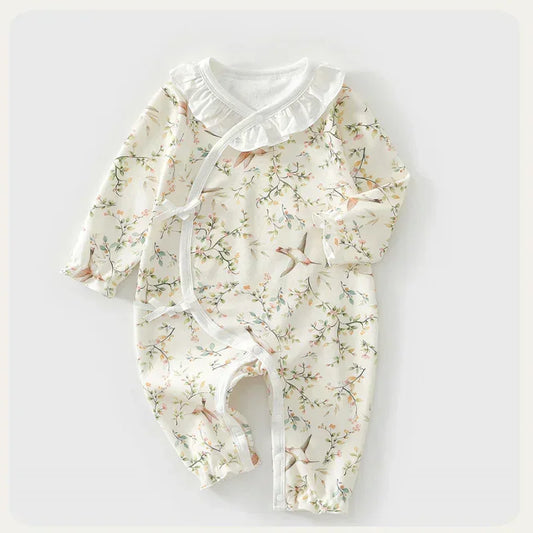
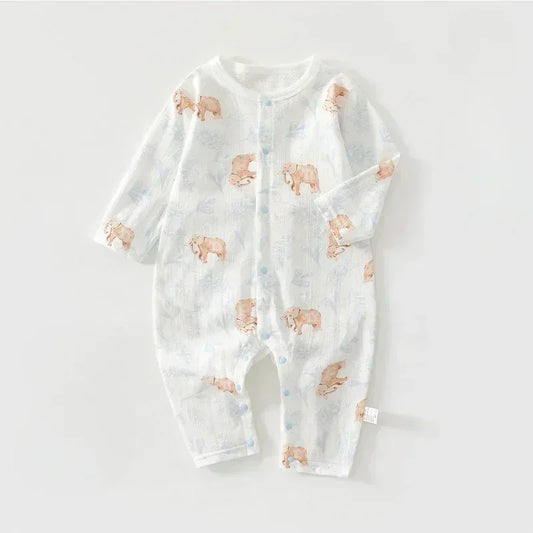
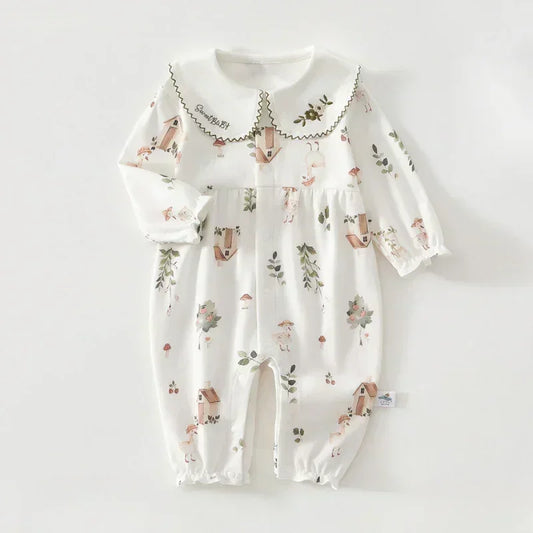
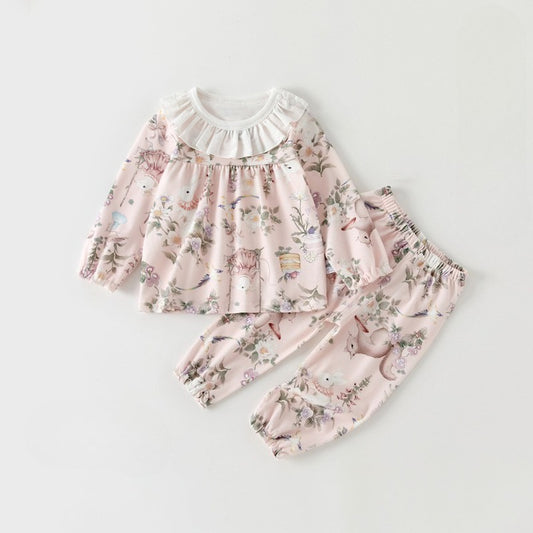
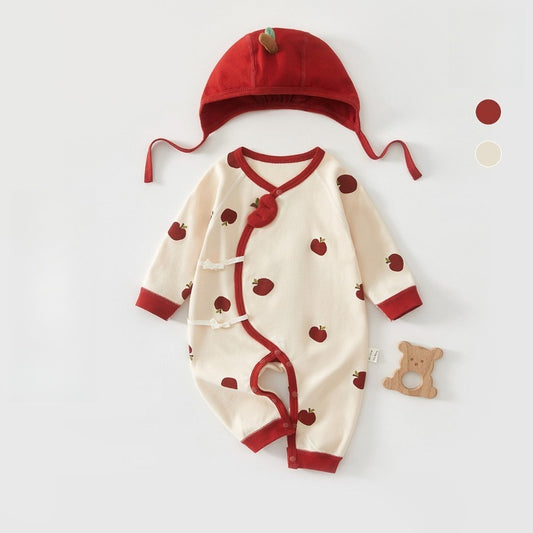
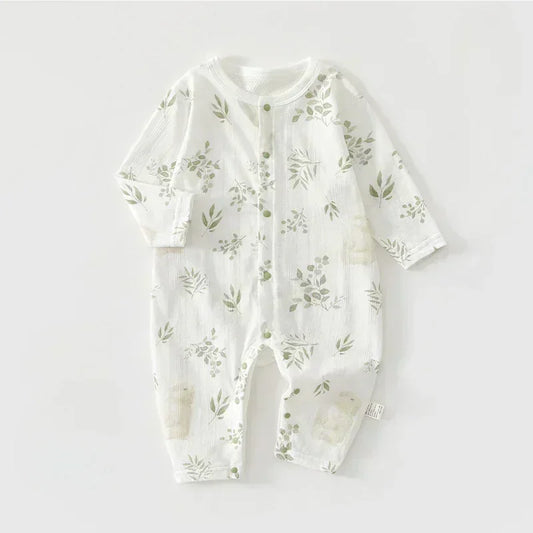
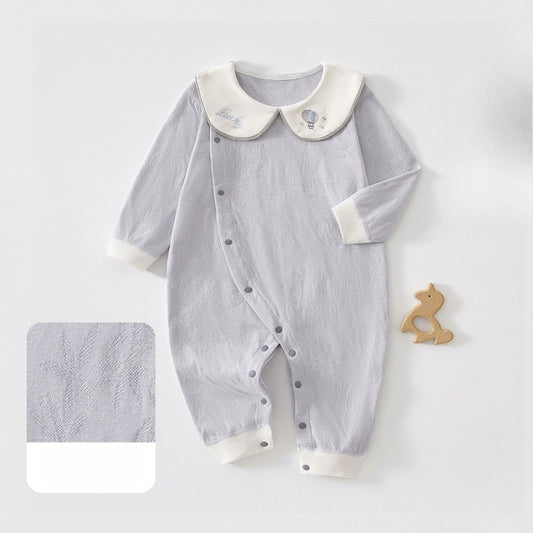
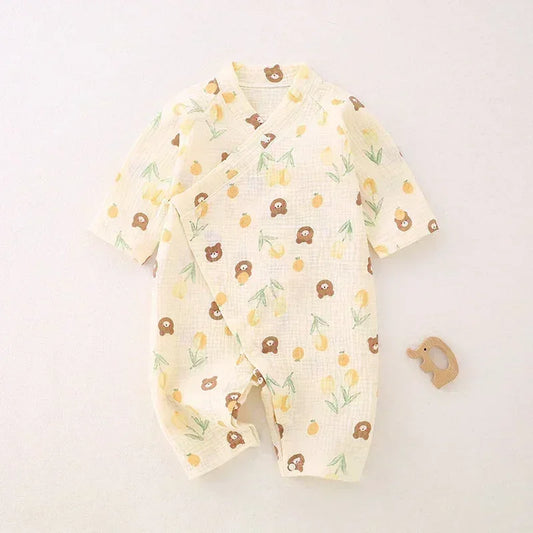
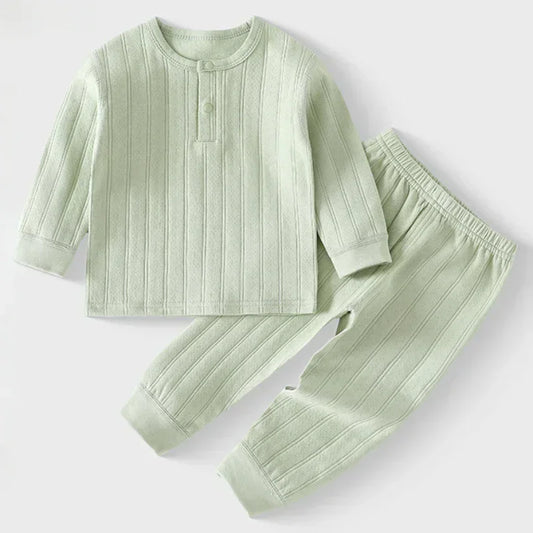
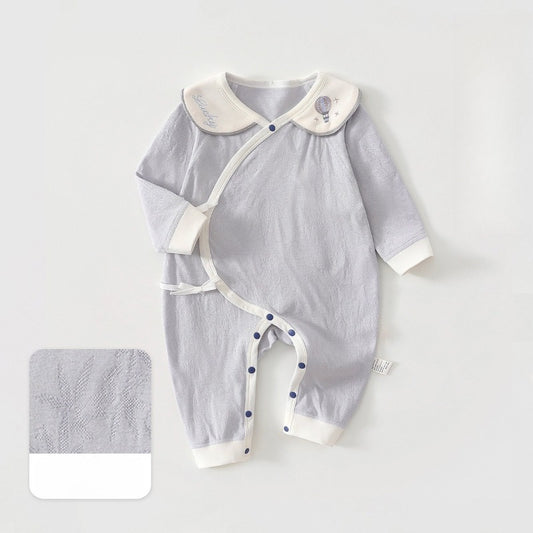
- The Power of Organic Cotton: Dress your baby in long-sleeved, loose-fitting organic cotton rompers. These provide a physical block against the sun while keeping the baby much cooler than bare skin exposed to the air.
- Wide-Brimmed Protection: A hat with a brim of at least three inches will protect the delicate skin on the face, ears, and back of the neck.
- Hydration is Key: Whether breastfeeding or bottle-feeding, newborns need more frequent feeds in the heat to stay hydrated. Watch for signs of lethargy or fewer wet diapers.
- The Sand Barrier: Use a thick, quilted organic cotton mat rather than a thin towel. Sand retains heat and can irritate a baby's skin; a raised or thick barrier provides a cooler surface for play or rest.
Maximizing Comfort in the Heat
Beyond the basic checklist, consider the environment you are creating. Use a small, battery-operated clip-on fan to keep air moving inside the shade structure. Always have a clean, damp cloth stored in a cooler bag to gently wipe away salt water or sweat, which can cause itching and discomfort. Remember that newborn skin is up to 30 percent thinner than adult skin, meaning it burns significantly faster and deeper. Every layer of protection, from the fabric of their onesie to the angle of your umbrella, works together to create a safe sanctuary by the sea.
Final Thoughts on Safe Summer Parenting
A beach day with a newborn does not have to be a source of anxiety. By focusing on physical barriers, choosing breathable organic cotton over synthetic alternatives, and respecting the power of the sun through careful timing, you can enjoy the beauty of the coast with confidence. Preparation is the bridge between a stressful outing and a cherished family memory. Pack your bag with intention, prioritize natural materials, and enjoy the gentle breeze with your little one. Safe sun protection is the greatest gift you can give your baby this summer.
![[2-Pieces Set] 100% Cotton Long-Sleeve Kimono Romper - Blue & Blue Stripe](http://www.organiccottonclubs.com/cdn/shop/files/2_afd198b870f106588ecfc526d714b7a8.jpg?v=1764440625&width=533)


![[2-Pieces Set] 100% Cotton Long Sleeve Side-Snap Bodysuit - Pink & Pink Stripe](http://www.organiccottonclubs.com/cdn/shop/files/2_e34e329d03103a1ef2a830ed0f72d8f4.jpg?v=1759165907&width=533)
![[2-Pieces Set] 100% Cotton Long Sleeve Snapup Romper - Green & Green Stripe](http://www.organiccottonclubs.com/cdn/shop/files/4_dcde8d24f74c34bd214567f4011b27d7.jpg?v=1759166636&width=533)