


Best Organic First Foods by Age (4-12 Months)
Share
The Milestone Every Parent Dreads: Starting Solids
The transition to solid foods is often viewed as a rite of passage for both parent and child, but for many, it quickly becomes a source of significant stress and confusion. You have spent months perfecting your baby feeding routine, and now you are faced with a dizzying array of choices in the grocery aisle. The problem is not just what to feed them, but the overwhelming amount of conflicting information regarding when to start and which ingredients are truly safe. Many parents find themselves worried that they are not doing enough to protect their child delicate system during this critical developmental window. You want to provide the best, but the sheer volume of choices can feel like a full-time job.
The Hidden Dangers of Conventional Feeding Habits
When we look closer at the conventional baby food industry, the agitation grows. Many budget-friendly, mass-produced baby foods have been found to contain traces of pesticides and even heavy metals that can interfere with a baby brain development and gut health. However, the risk extends beyond the bowl. Cheap, synthetic materials used in high-chair pads, bibs, and infant clothing often contain harsh dyes and chemical finishes. During the messy process of learning to eat, these materials frequently rub against your baby sensitive skin, especially around the face and neck. This can lead to contact dermatitis, unexplained rashes, and general discomfort that turns mealtime into a battle. Choosing cheap, low-quality materials for your baby environment can inadvertently expose them to irritants at a time when their immune systems are still finding their footing. Constant exposure to these materials can cause long-term skin sensitivity that no parent wants for their child.
The Organic Solution: A Holistic Start for Your Little One
The solution lies in a holistic commitment to an organic lifestyle. By choosing the best organic first foods, you ensure your baby is receiving pure, nutrient-dense fuel without the burden of synthetic chemicals. To truly support this journey, integrating organic cotton accessories is essential. Organic cotton is grown without toxic pesticides and processed without harsh bleaches or heavy-metal dyes. Using organic cotton bibs and burp cloths means that when your baby inevitable spills occur, the fabric touching their face is as pure as the food they are eating. This combination of internal and external purity creates a safe haven for your baby to explore new textures and tastes. Organic cotton is naturally hypoallergenic and incredibly soft, providing the comfort your baby needs to focus on the task at hand: enjoying their first meals. When you eliminate these chemical variables, you can finally relax and enjoy the milestone.
Signs Your Baby is Ready for Solids
Before diving into specific foods, it is important to ensure your baby is physically ready. Look for these signs: the ability to sit up with little to no support, good head and neck control, the disappearance of the tongue-thrust reflex, and a keen interest in what you are eating. Most pediatricians recommend waiting until around six months, though some babies may show signs as early as four months. Always consult with your doctor before beginning this new stage.
Best Organic Foods for 4 to 6 Months: The Introductory Phase
At this stage, the goal is exposure and identifying any potential allergies. Always start with single-ingredient purees to monitor reactions.
- Organic Avocado: Often called nature perfect food, avocados are loaded with healthy monounsaturated fats that support rapid brain growth. Their naturally creamy texture is perfect for beginners.
- Organic Sweet Potato: These are easy on the digestive system and provide a sweet flavor that babies love, along with a massive dose of beta-carotene for eye health.
- Organic Iron-Fortified Cereal: As a baby natural iron stores begin to deplete around six months, organic oatmeal or rice cereals can provide the necessary boost for healthy blood development.
- Organic Pears: A gentle fruit that is usually very well-tolerated and can help keep the digestive system moving smoothly while providing essential fiber.
Best Organic Foods for 7 to 9 Months: Expanding the Palate
Once your baby has mastered basic purees, you can begin to introduce more variety and slightly thicker textures.
- Organic Blueberries: These antioxidant powerhouses can be mashed into a thick paste. They are great for immune support and add a vibrant color to the plate.
- Organic Lentils: A fantastic source of iron and protein for growing muscles. Ensure they are cooked until very soft and mashed thoroughly.
- Organic Spinach and Kale: Mixing these leafy greens with a sweeter base like apple or pear helps your baby get used to earthy flavors without being overwhelmed.
- Organic Greek Yogurt: If your pediatrician okays dairy, full-fat organic yogurt provides calcium and probiotics for a healthy gut and strong bones.
Best Organic Foods for 10 to 12 Months: Texture and Independence
By ten months, many babies are ready for soft finger foods and more complex combinations as they develop their pincer grasp.
- Organic Pasture-Raised Chicken: Shredded into very small, soft pieces, chicken provides essential B vitamins and protein for active crawlers.
- Organic Quinoa: A complete protein that is easy for older babies to pick up and eat, especially when mixed with a bit of organic squash or mashed peas.
- Organic Broccoli Florets: Steamed until very soft, these allow your baby to practice feeding themselves while getting a healthy dose of fiber and Vitamin C.
- Organic Bananas and Nut Butters: Thinly spread organic peanut or almond butter on a slice of banana provides healthy fats and protein, helping to introduce common allergens safely.
Tips for a Successful Organic Feeding Journey
Consistency is key. It can take up to ten exposures for a baby to accept a new flavor. Always keep the environment calm, and do not forget to protect your baby skin with organic cotton bibs. These bibs are not just for messes; they are a layer of protection against the moisture and food acids that can cause teething rashes and skin irritation. High-quality, breathable organic cotton ensures that even if mealtime gets messy, your baby remains comfortable and dry. Transitioning to solids is a marathon, not a sprint, so take your time and follow your baby lead.
Final Thoughts
Feeding your baby is one of the most intimate ways you care for them. By choosing organic first foods and supporting their sensitive skin with organic cotton fabrics, you are building a foundation of health and wellness that will last a lifetime. This stage is fleeting, so enjoy the messy faces and the wide-eyed wonder of discovery. You are doing an incredible job providing the purest start possible for your little one, ensuring they grow up healthy, happy, and strong.
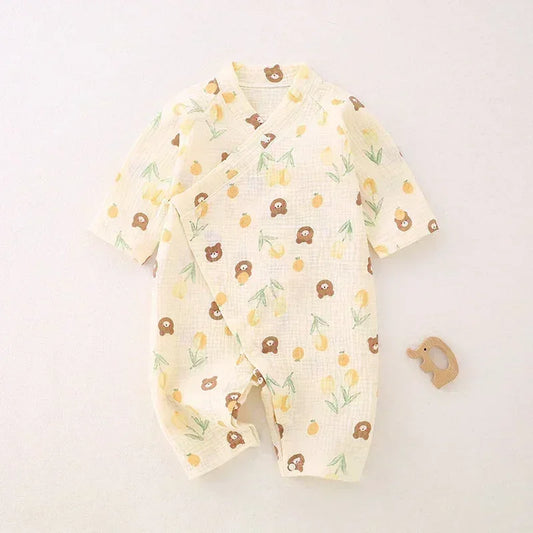
![[2-Pieces Set] 100% Cotton Long-Sleeve Kimono Romper - Blue & Blue Stripe](http://www.organiccottonclubs.com/cdn/shop/files/2_afd198b870f106588ecfc526d714b7a8.jpg?v=1764440625&width=533)


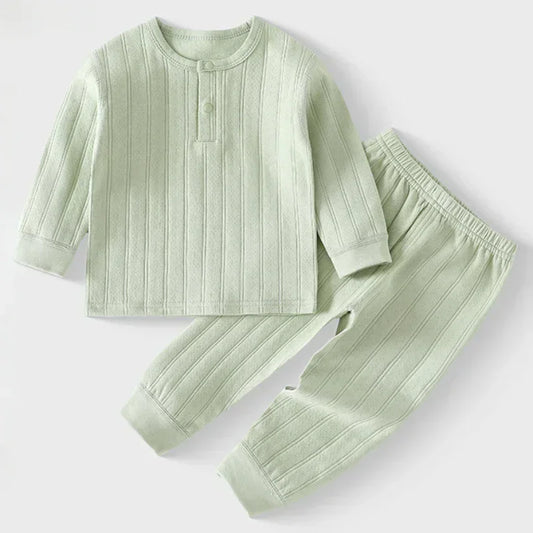
![[2-Pieces Set] 100% Cotton Long Sleeve Side-Snap Bodysuit - Pink & Pink Stripe](http://www.organiccottonclubs.com/cdn/shop/files/2_e34e329d03103a1ef2a830ed0f72d8f4.jpg?v=1759165907&width=533)
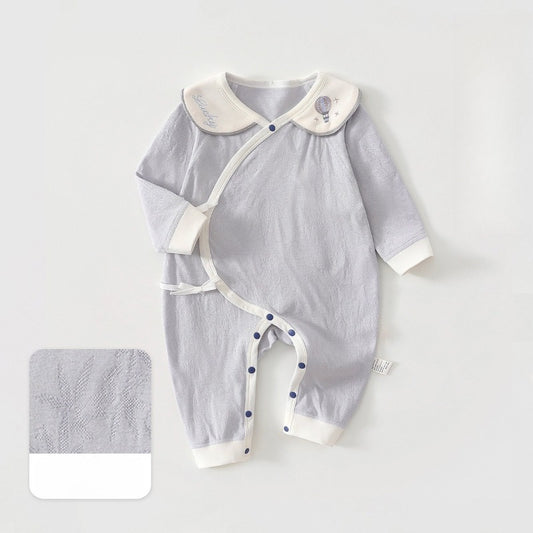
![[2-Pieces Set] 100% Cotton Long Sleeve Snapup Romper - Green & Green Stripe](http://www.organiccottonclubs.com/cdn/shop/files/4_dcde8d24f74c34bd214567f4011b27d7.jpg?v=1759166636&width=533)