


Breastfeeding Positions Guide: 6 Holds and When to Use Each
Share
Finding Comfort in the Journey: Your Guide to Breastfeeding Positions
For many new parents, the initial days of nursing can feel like a complex puzzle. You want the best for your baby, but struggling with a proper latch or dealing with physical discomfort can make those quiet moments feel stressful. Many parents find themselves hunched over, leading to back pain and shoulder tension that detracts from the bonding experience.
Using the wrong position doesn't just cause you pain; it can lead to a shallow latch for your baby, resulting in sore nipples and a frustrated newborn who isn't getting enough milk. Poor posture and ill-fitting nursing setups can turn a beautiful biological process into a source of anxiety. This is why understanding the mechanics of different breastfeeding holds is essential for your physical health and your baby's nutrition.
The Solution: 6 Essential Breastfeeding Holds
By mastering a few key positions, you can adapt to your baby's growth and your own recovery needs. Using organic cotton nursing pillows or soft linen supports can further enhance these holds by providing stable, breathable surfaces for your little one.
-
1. The Cradle Hold
The most classic position. Baby's head rests in the crook of your elbow on the side they are nursing from. Best for full-term babies once they have developed some neck control.
-
2. The Cross-Cradle Hold
Similar to the cradle, but you use the opposite arm to support the baby's head. This offers more control over the head and neck, making it ideal for newborns and those learning to latch.
-
3. The Football (Clutch) Hold
Tuck your baby under your arm like a football. This is the best breastfeeding position for C-section recovery as it keeps pressure off your incision, and it is excellent for parents with large breasts or twins.
-
4. Side-Lying Position
Both you and baby lie on your sides facing each other. This is a lifesaver for night feedings and for those recovering from a difficult birth who need to rest while nursing.
-
5. Laid-Back (Biological Nurturing)
Lean back at a semi-reclined angle. Gravity helps the baby find the breast and latch deeply. This is perfect for babies with a strong let-down or for parents who want a more relaxed, skin-to-skin experience.
-
6. The Koala (Upright) Hold
Baby sits upright straddling your thigh. This is one of the best breastfeeding positions for reflux or ear infections, as it keeps the baby's head elevated during the feed.
Final Thoughts
Every nursing journey is unique, and what works today might change as your baby grows. Don't be afraid to experiment with these holds to find what feels most natural. Remember to use supportive, organic materials to keep both you and your baby comfortable. If you continue to experience pain, reaching out to a lactation consultant can provide the personalized support you deserve.
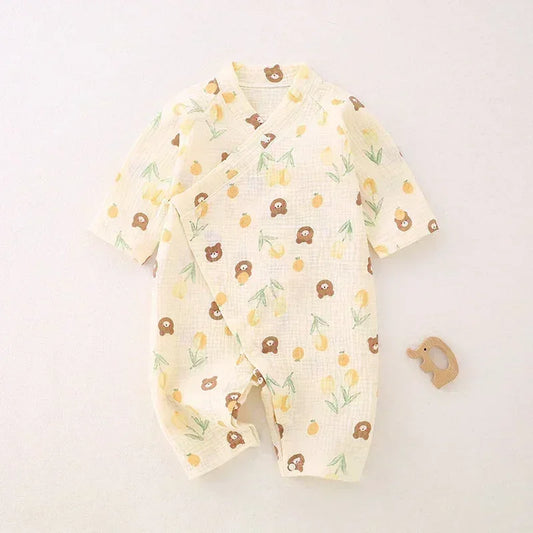
![[2-Pieces Set] 100% Cotton Long-Sleeve Kimono Romper - Blue & Blue Stripe](http://www.organiccottonclubs.com/cdn/shop/files/2_afd198b870f106588ecfc526d714b7a8.jpg?v=1764440625&width=533)


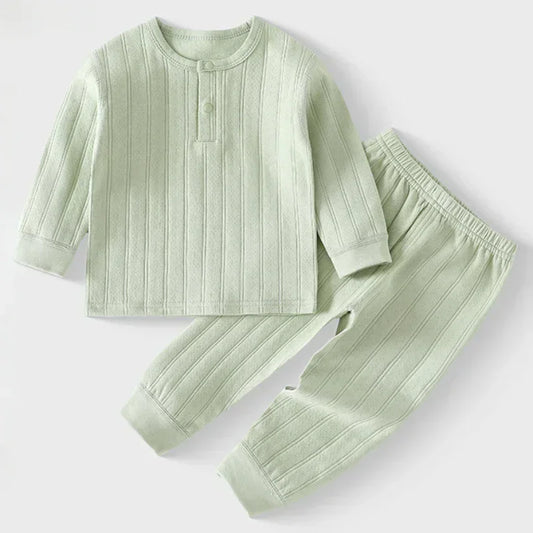
![[2-Pieces Set] 100% Cotton Long Sleeve Side-Snap Bodysuit - Pink & Pink Stripe](http://www.organiccottonclubs.com/cdn/shop/files/2_e34e329d03103a1ef2a830ed0f72d8f4.jpg?v=1759165907&width=533)
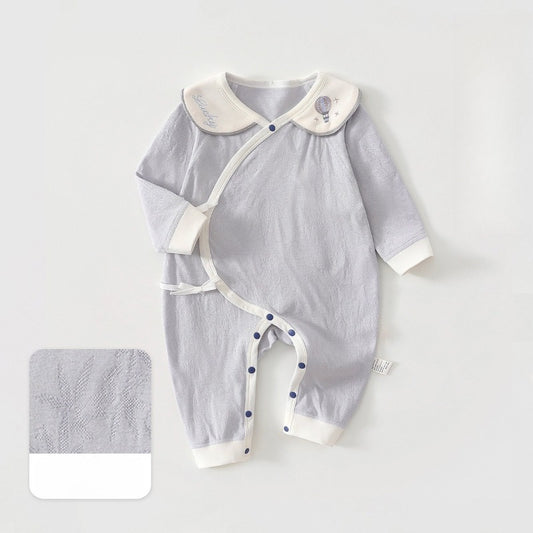
![[2-Pieces Set] 100% Cotton Long Sleeve Snapup Romper - Green & Green Stripe](http://www.organiccottonclubs.com/cdn/shop/files/4_dcde8d24f74c34bd214567f4011b27d7.jpg?v=1759166636&width=533)