


Common Baby Rashes: How to Tell Them Apart at a Glance
Share
The Panic of the First Rash: A Parent's Guide
There is nothing quite as heart-stopping for a new parent as unzipping a sleeper to find a sea of red bumps on your baby's belly. Your mind immediately races through every possible scenario. Is it an allergy? Is it contagious? Is it something I did? Understanding your baby's skin is a steep learning curve because their skin is actually 30 percent thinner than ours, making it incredibly reactive to the environment.
The Agitation: Why Synthetic Materials Make It Worse
When you see a rash, the first instinct is to reach for a cream. However, many parents overlook the silent culprit sitting right against the skin: the fabric. Traditional baby clothes are often treated with harsh flame retardants, heavy dyes, and formaldehyde. When these chemicals meet sensitive, inflamed skin, they cause further irritation. Synthetic fibers like polyester do not breathe, trapping sweat and bacteria against the rash, which can turn a simple case of heat rash into a painful, weeping infection. This cycle of irritation keeps your little one fussy and prevents the skin from healing naturally.
How to Tell Them Apart at a Glance
Before you panic, use this quick guide to identify the most common culprits:
- Heat Rash (Miliaria): Small, clear or red bumps that look like tiny blisters, usually found in skin folds or areas where clothes fit tightly.
- Baby Acne: Small red or white bumps appearing on the face or chest, usually appearing within the first few weeks of life due to maternal hormones.
- Eczema (Atopic Dermatitis): Dry, scaly, and itchy patches that often appear on the cheeks and the crooks of the arms and knees.
- Diaper Rash: Bright red skin limited to the diaper area, often caused by moisture and friction.
- Cradle Cap: Greasy, yellowish crusty patches on the scalp.
The Solution: The Power of Organic Cotton
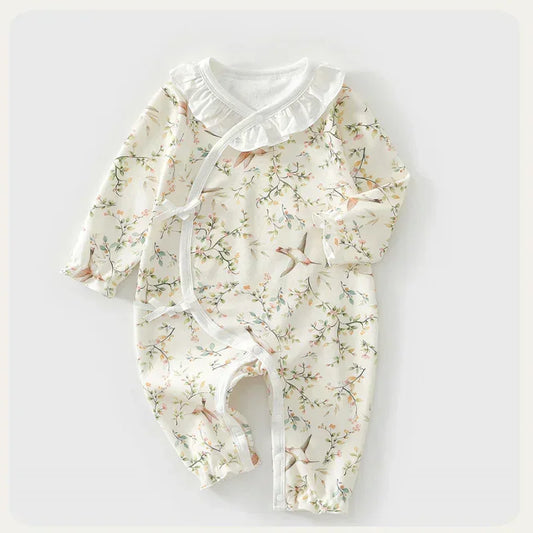
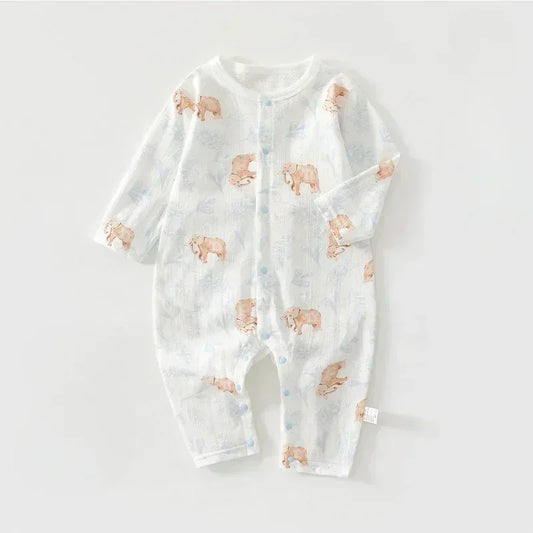
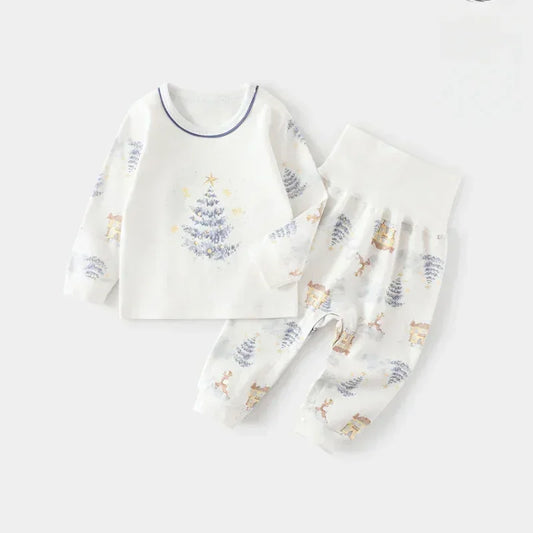
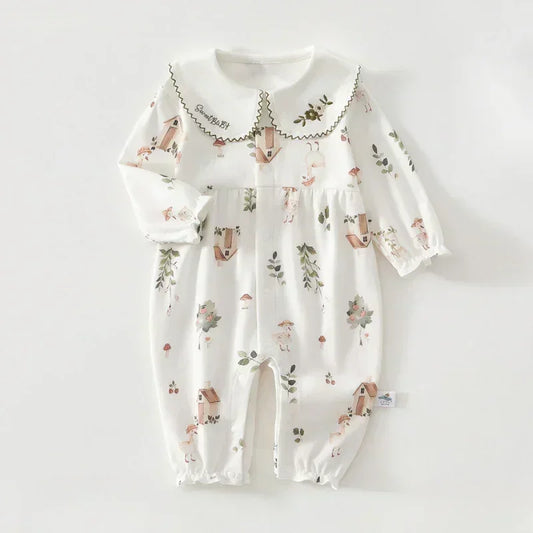
The best way to treat and prevent common rashes is to allow the skin to breathe and recover without chemical interference. This is where high-quality organic cotton becomes a nursery essential. Unlike conventional cotton, organic cotton is grown without toxic pesticides and processed without caustic bleaches. It is hypoallergenic and possesses long, smooth fibers that do not chafe or scratch irritated skin. By switching to GOTS-certified organic cotton, you are removing the chemical triggers that often cause contact dermatitis and providing a moisture-wicking barrier that keeps the skin dry and calm.
Final Thoughts
While most baby rashes are a normal part of infancy, choosing the right environment for their skin can speed up healing significantly. Keep the skin clean, keep it dry, and always opt for natural, breathable fabrics. If a rash is accompanied by a fever, or if it appears purple or bruised, always consult your pediatrician immediately. Investing in organic materials today means fewer skin struggles tomorrow.
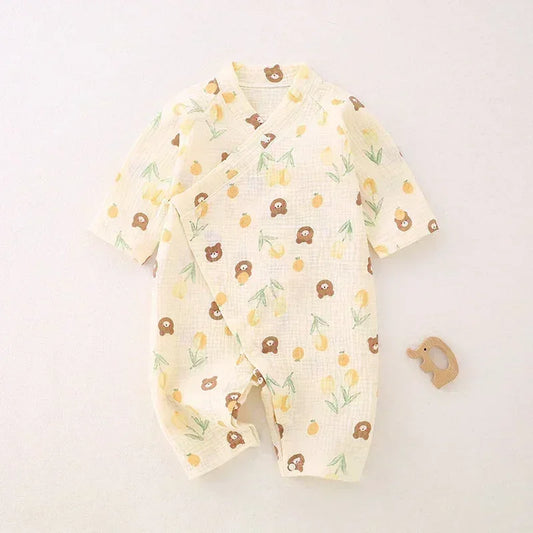
![[2-Pieces Set] 100% Cotton Long-Sleeve Kimono Romper - Blue & Blue Stripe](http://www.organiccottonclubs.com/cdn/shop/files/2_afd198b870f106588ecfc526d714b7a8.jpg?v=1764440625&width=533)


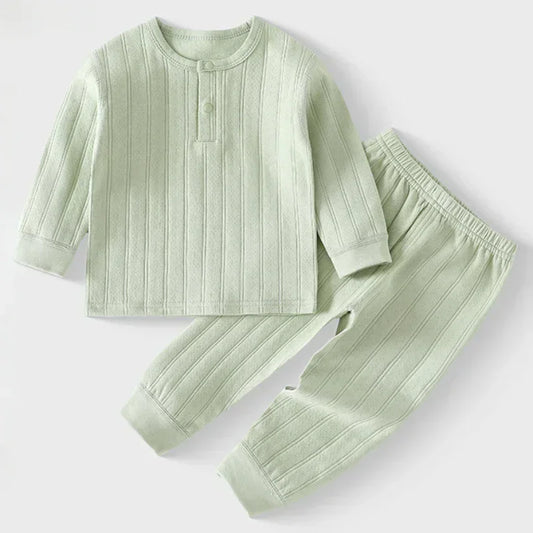
![[2-Pieces Set] 100% Cotton Long Sleeve Side-Snap Bodysuit - Pink & Pink Stripe](http://www.organiccottonclubs.com/cdn/shop/files/2_e34e329d03103a1ef2a830ed0f72d8f4.jpg?v=1759165907&width=533)
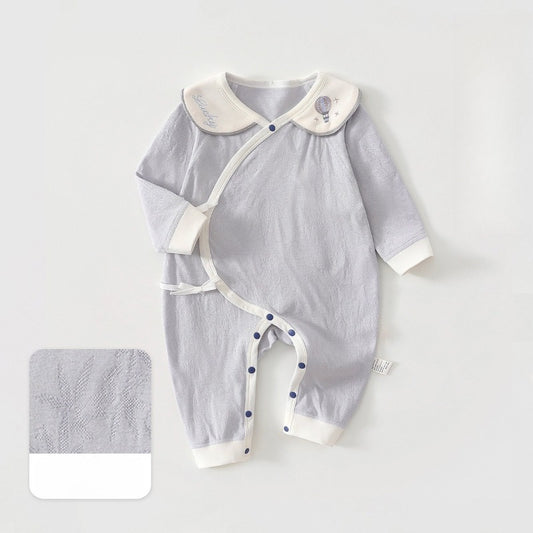
![[2-Pieces Set] 100% Cotton Long Sleeve Snapup Romper - Green & Green Stripe](http://www.organiccottonclubs.com/cdn/shop/files/4_dcde8d24f74c34bd214567f4011b27d7.jpg?v=1759166636&width=533)