

Decoding Baby Cries: A Quick Guide
Share
Decoding Baby Cries: A Quick Guide to Understanding Your Little One
There is perhaps no sound more evocative, or more stressful, than the sound of a newborn baby crying. For new parents, it feels like a high-stakes guessing game where the prize is a few minutes of precious silence and a happy child. You find yourself asking: Is it hunger? Is it a diaper change? Or is something else entirely making them restless?
The Parenting Struggle: The Mystery of the Unstoppable Cry
We have all been there at 3 AM. You have checked the obvious boxes—the belly is full, the diaper is dry—yet the crying continues with a piercing intensity. This frustration often leads to a sense of helplessness. When you cannot decode the cry, you cannot provide the comfort your baby is desperately seeking. This cycle of stress doesn't just affect the baby; it exhausts the parents, leading to a home filled with tension rather than the peaceful bonding time you imagined.
The Agitation: Why Your Baby's Environment Might Be the Hidden Culprit
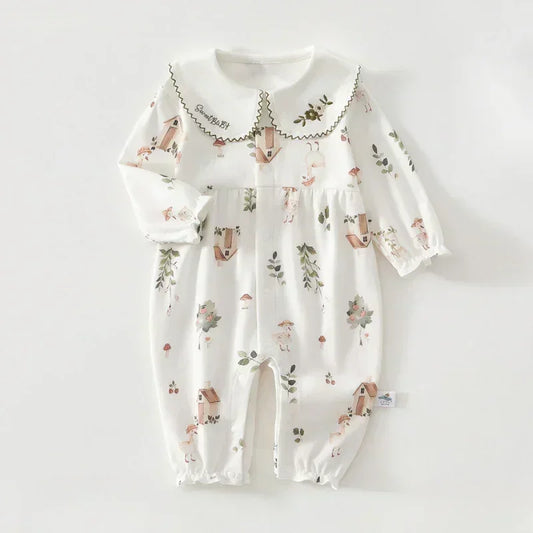
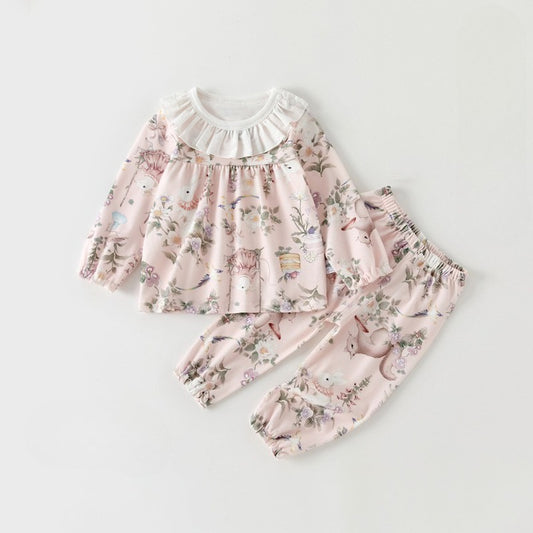
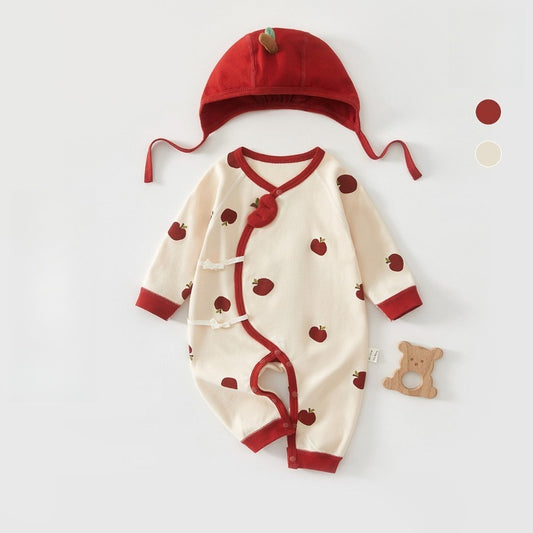
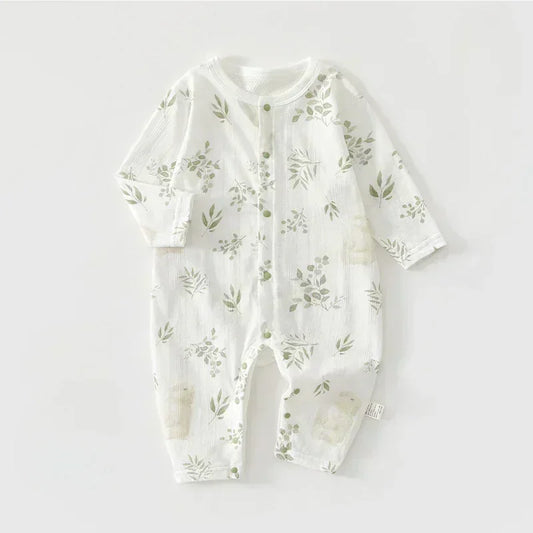
While we often look for internal reasons for a baby's distress, we frequently overlook the external environment. A significant, yet often ignored, trigger for crying is sensory discomfort. Babies have skin that is significantly thinner and more sensitive than adult skin. Many mass-produced baby clothes are made from synthetic fabrics or cotton treated with harsh pesticides and formaldehyde finishes. These 'cheap' fabrics are often scratchy, non-breathable, and can lead to overheating or micro-irritations. When your baby is crying from 'discomfort,' they might literally be telling you that their clothing is hurting their skin or making them feel suffocated. This hidden irritation makes it nearly impossible for a child to settle down, no matter how much you rock them.
The Solution: The Soothing Power of Organic Cotton
One of the most effective ways to reduce 'discomfort cries' is to curate a sensory-friendly environment starting with what touches their skin. Transitioning to high-quality organic cotton can be a game-changer for a fussy infant. Here is how premium, natural fabrics help you decode and solve the crying puzzle:
- Thermal Regulation: Organic cotton is naturally breathable, preventing the 'overheating cry' which often sounds like a rhythmic, breathy pant.
- Chemical-Free Peace: By removing toxic dyes and pesticides, you eliminate the 'itchy cry' caused by skin sensitivities and contact dermatitis.
- The Softness Factor: The long fibers of organic cotton provide a silky-smooth texture that mimics the calming sensation of skin-to-skin contact, helping the baby feel secure.
- Moisture Management: Organic cotton wicks away moisture more effectively than synthetics, preventing the chill that leads to a sudden, sharp cry of distress.
A Quick Guide to Common Baby Sounds
While you optimize their environment, listen for these specific phonetic sounds that help identify the need:
- 'Neh' (Hunger): Caused by the sucking reflex, the tongue hitting the roof of the mouth.
- 'Owh' (Sleepy): Based on the yawn reflex, the mouth forms an oval shape.
- 'Heh' (Discomfort): Often a response to skin irritation, cold, or a wet diaper. This is the cry most improved by switching to organic fabrics.
- 'Eair' (Lower Gas): Usually accompanied by the baby pulling their knees to their chest.
Final Thoughts
Decoding your baby's cries is a journey of intuition and environmental adjustment. By eliminating physical irritants like harsh fabrics and focusing on the purity of organic cotton, you remove a major layer of 'noise' from the communication. When your baby is comfortable, their cries become clearer, your responses become faster, and your home becomes the sanctuary it was meant to be. Remember, a comfortable baby is a communicative baby.
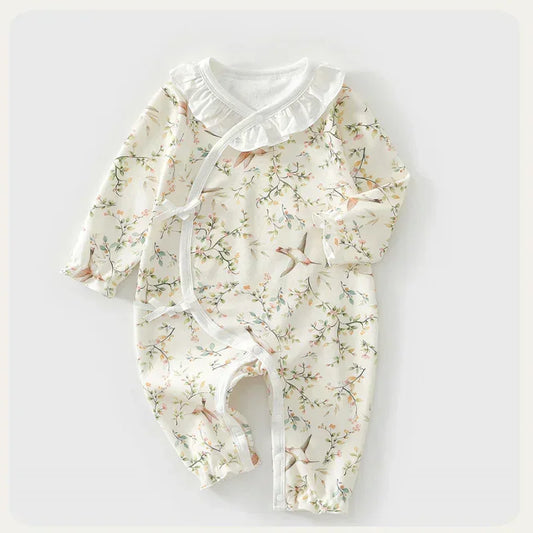
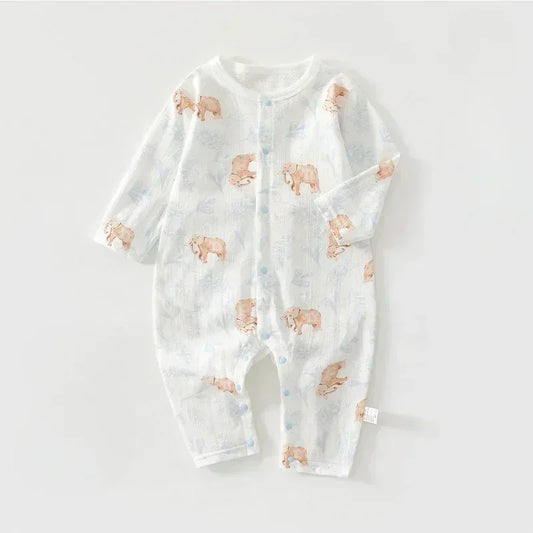
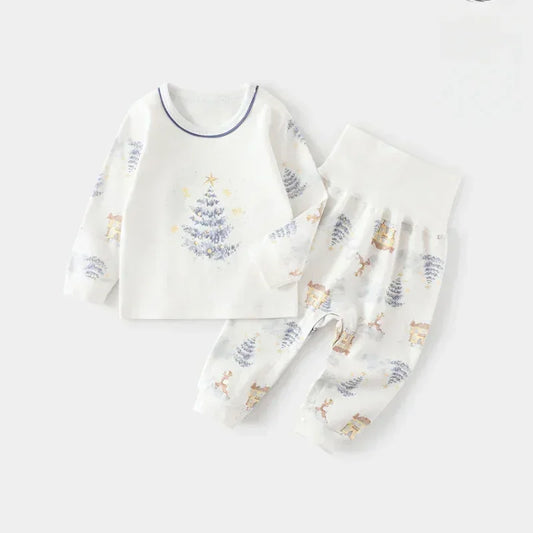
![[2-Pieces Set] 100% Cotton Long-Sleeve Kimono Romper - Blue & Blue Stripe](http://www.organiccottonclubs.com/cdn/shop/files/2_afd198b870f106588ecfc526d714b7a8.jpg?v=1764440625&width=533)

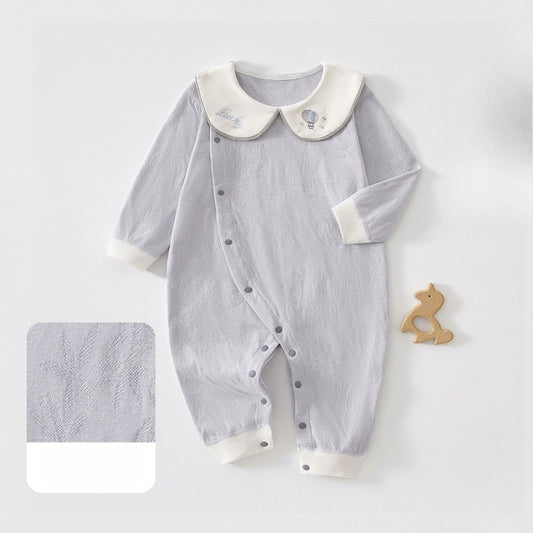

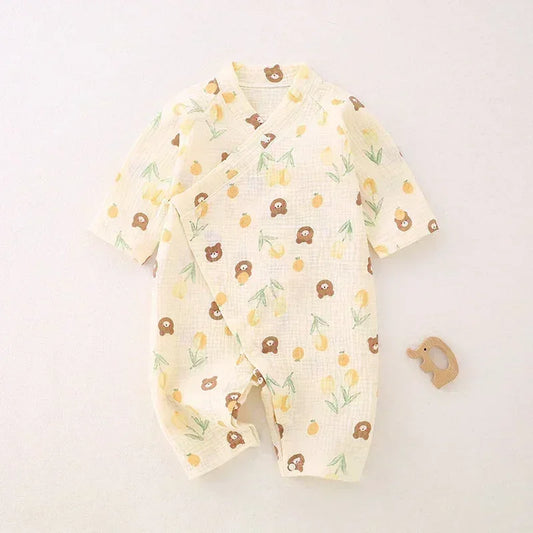
![[2-Pieces Set] 100% Cotton Long Sleeve Side-Snap Bodysuit - Pink & Pink Stripe](http://www.organiccottonclubs.com/cdn/shop/files/2_e34e329d03103a1ef2a830ed0f72d8f4.jpg?v=1759165907&width=533)
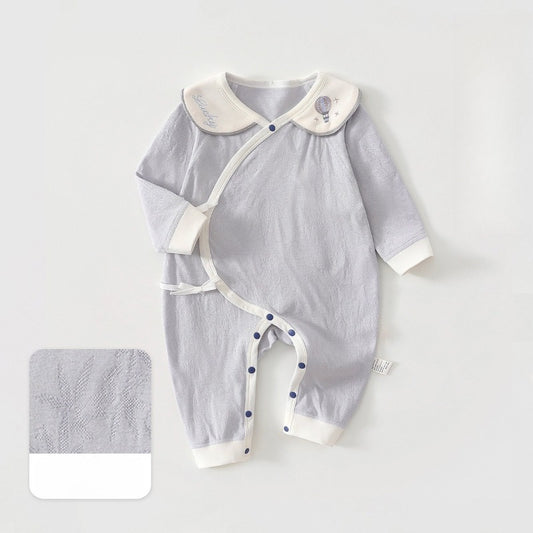
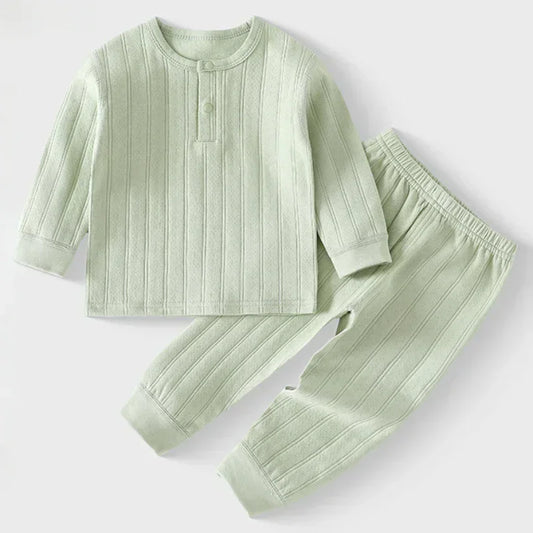
![[2-Pieces Set] 100% Cotton Long Sleeve Snapup Romper - Green & Green Stripe](http://www.organiccottonclubs.com/cdn/shop/files/4_dcde8d24f74c34bd214567f4011b27d7.jpg?v=1759166636&width=533)