

Decoding Baby Cries: What "Neh", "Owh", and "Eh" Mean.
Share
Understanding Your Baby's First Language: A Guide for Modern Parents
There is nothing quite as heart-wrenching or exhausting as the sound of a crying newborn when you simply cannot figure out what they need. You have checked the diaper, tried the bottle, and rocked them for hours, yet the wailing persists. This cycle of guesswork leads to parental burnout and a sense of helplessness. But what if your baby was actually telling you exactly what they needed? By decoding specific sounds like 'Neh', 'Owh', and 'Eh', you can transform your parenting experience from one of stress to one of confident connection.
The Science of Sound: Decoding 'Neh', 'Owh', and 'Eh'
Newborns possess a set of universal 'pre-cry' sounds based on physical reflexes. Before a cry becomes a full-blown hysterical fit, the baby's body reacts to internal stimuli, creating distinct phonetic patterns. Recognizing these early signals allows you to intervene before the stress levels of both parent and child skyrocket.
'Neh' Means Hunger: The Sucking Reflex
The 'Neh' sound is produced when a baby combines the sucking reflex with a cry. The tongue is pushed to the roof of the mouth, creating a 'n' sound. When you hear this, it is a clear signal that your baby is hungry and ready for a feed. Responding to this sound immediately prevents the baby from swallowing excess air during a frantic feeding later.
'Owh' Means Sleepy: The Yawn Reflex
Much like an adult yawn, the 'Owh' sound is formed as the baby's mouth takes an oval shape. This is the primary indicator that your little one is reaching their 'sleep window.' If you miss this cue, the baby can become overtired, making it significantly harder for them to drift into a deep, restorative sleep.
'Eh' Means Gas: The Need to Burp
The 'Eh' sound is a response to chest tightness. It is produced when the baby tries to release a pocket of air trapped in the esophagus. If you hear a repetitive 'Eh, Eh, Eh', it is time to sit them up and provide a gentle burping session to relieve the internal pressure.
Beyond the Sound: Why Physical Comfort is the Second Step
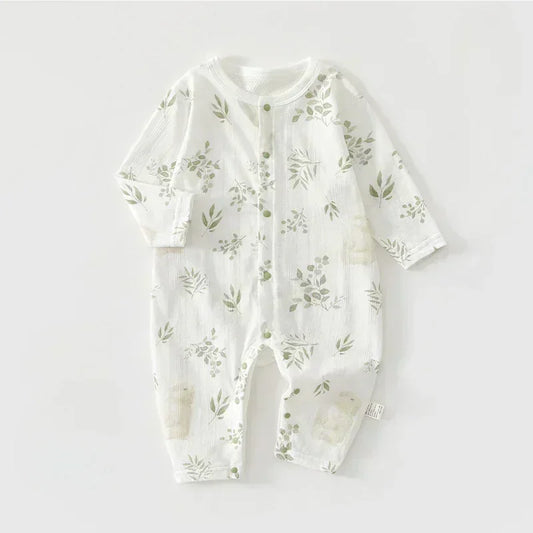
Once you have decoded the cry, the next step is providing an environment that fosters calm. Many parents unknowingly aggravate their baby's distress by using synthetic, chemically-treated fabrics. Cheap, scratchy polyester or 'conventional' cotton can irritate a newborn's incredibly thin skin, turning a simple 'Eh' (gas) cry into a 'discomfort' cry that is much harder to soothe. Synthetic fibers trap heat and toxins against the skin, leading to rashes and restlessness.
The Solution: Why Organic Cotton is Essential for a Calm Baby
To truly support your baby's communication, you must ensure their physical environment is not working against them. Transitioning to high-quality organic cotton provides the following benefits:
- Breathability: Organic cotton allows for natural thermoregulation, preventing the overheating that leads to 'Owh' (sleepy) cries turning into 'hot and bothered' screams.
- Hypoallergenic Properties: Free from harsh pesticides and toxic dyes, organic fabrics soothe the skin rather than irritating it.
- Softness: The long-staple fibers of premium organic cotton feel like a second skin, providing the sensory security babies crave.
- Durability: High-quality organic pieces withstand the frequent washing required during the 'Eh' (gassy/spit-up) phase without losing their softness.
Final Thoughts
Learning the language of your baby is a journey of patience and observation. By listening for 'Neh', 'Owh', and 'Eh', you are building a foundation of trust. Pair this knowledge with the soothing comfort of organic materials, and you create a sanctuary where your baby feels heard, understood, and perfectly comfortable. You have got this, parent.
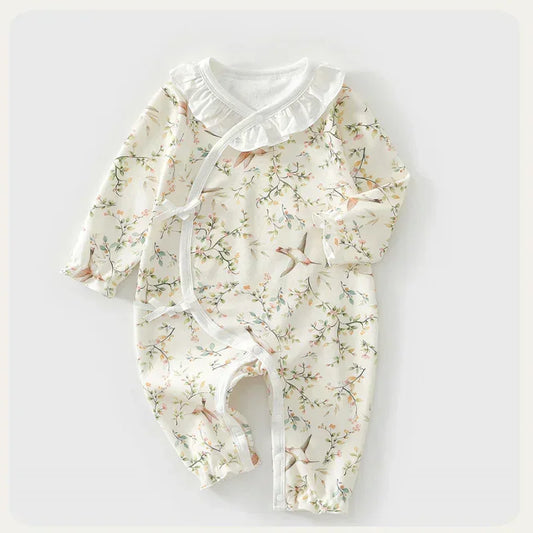
![[2-Pieces Set] 100% Cotton Long-Sleeve Kimono Romper - Blue & Blue Stripe](http://www.organiccottonclubs.com/cdn/shop/files/2_afd198b870f106588ecfc526d714b7a8.jpg?v=1764440625&width=533)


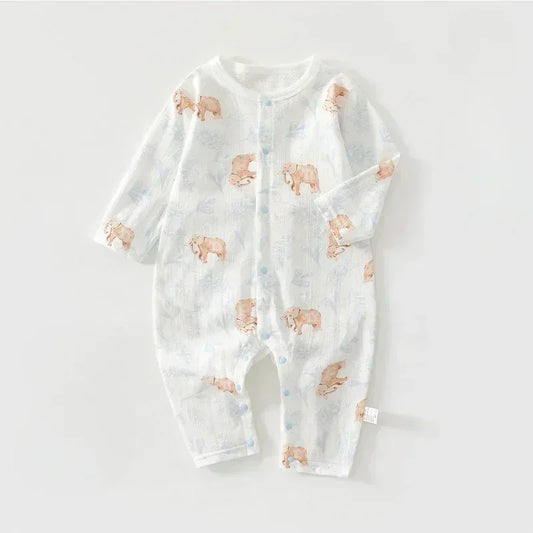
![[2-Pieces Set] 100% Cotton Long Sleeve Side-Snap Bodysuit - Pink & Pink Stripe](http://www.organiccottonclubs.com/cdn/shop/files/2_e34e329d03103a1ef2a830ed0f72d8f4.jpg?v=1759165907&width=533)
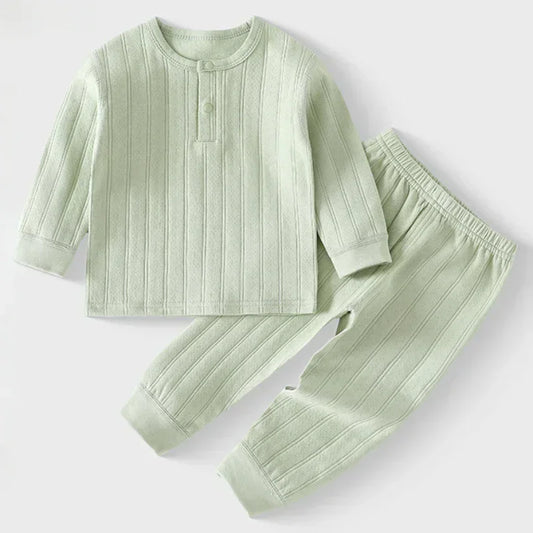
![[2-Pieces Set] 100% Cotton Long Sleeve Snapup Romper - Green & Green Stripe](http://www.organiccottonclubs.com/cdn/shop/files/4_dcde8d24f74c34bd214567f4011b27d7.jpg?v=1759166636&width=533)