


Diaper Rash vs. Clothing Rash: How to tell the difference and fix both.
Share
The Great Skin Mystery: Is it Diaper Rash or Clothing Rash?
There is nothing quite like the soft, sweet smell of a newborn baby, but there is also nothing quite as heart-wrenching as seeing your little one in discomfort. You go to change a diaper and notice it: a bright red, angry-looking rash. Your heart sinks. As a parent, you immediately start questioning everything. Is it the new brand of diapers? Is it something they ate? Or could it be that adorable new outfit they wore today? Dealing with skin irritation is one of the most common yet stressful parts of the parenting journey.
The Frustration of Persistent Skin Irritation
Skin rashes are more than just a cosmetic issue; they affect your baby's sleep, temperament, and overall well-being. When your baby is itchy or sore, nobody in the house rests. Many parents find themselves trapped in a cycle of applying creams and switching detergents without ever addressing the root cause. This agitation is often compounded by the realization that many mass-produced baby clothes are treated with harsh chemicals, synthetic dyes, and formaldehyde to keep them looking crisp on store shelves. These 'cheap' materials can lead to contact dermatitis, making your baby's skin a battleground for irritants.
Identifying Diaper Rash
Diaper rash is typically confined to the 'diaper zone'—the buttocks, genitals, and thighs. It is usually caused by prolonged exposure to moisture, friction, or the ammonia found in urine. Key indicators include:
- Red, puffy skin specifically where the diaper sits.
- Increased sensitivity or crying during diaper changes.
- Small red bumps or scales in the creases of the skin.
Spotting Clothing Rash (Contact Dermatitis)
Clothing rash looks different and appears in different places. If you see irritation on the torso, arms, or legs—areas where the diaper doesn't touch—you are likely looking at a clothing-related issue. Look for:
- Redness that follows the pattern of a sleeve or waistband.
- Irritation where seams or tags rub against the skin.
- A rash that appears shortly after wearing a new, unwashed garment.
The Organic Solution: Why Fabric Choice Matters
The solution to many recurring skin issues is surprisingly simple: eliminate the toxins. Switching to GOTS-certified organic cotton is a game-changer for sensitive skin. Unlike conventional cotton, organic cotton is grown without pesticides and processed without toxic bleaches or heavy-metal dyes. It is naturally breathable, allowing moisture to wick away from the skin rather than trapping it against the body. By choosing high-quality organic fabrics, you are providing a physical barrier of safety for your child's delicate skin barrier.
How to Fix Both and Prevent Future Flare-ups
To heal current rashes and prevent new ones, follow these essential steps:
- Practice 'Air Time': Let your baby go diaper-free for 10-15 minutes several times a day to allow the skin to dry completely.
- Wash Before Wearing: Always wash new clothes in a fragrance-free, hypoallergenic detergent before they touch your baby's skin.
- Choose Breathable Layers: Stick to 100% organic cotton layers that regulate temperature and prevent sweat-induced irritation.
- Use Clean Barrier Creams: Look for zinc-based creams with minimal ingredients for diaper areas, and soothing oat-based lotions for clothing-related dryness.
Final Thoughts
Navigating the world of baby skin care can feel overwhelming, but once you know how to distinguish between diaper rash and clothing rash, you can take proactive steps toward healing. By investing in organic materials and mindful cleaning habits, you aren't just treating a rash—you are protecting your baby's comfort and health for the long term. Remember, your baby's skin is their largest organ; treat it with the purest ingredients and the softest touch.
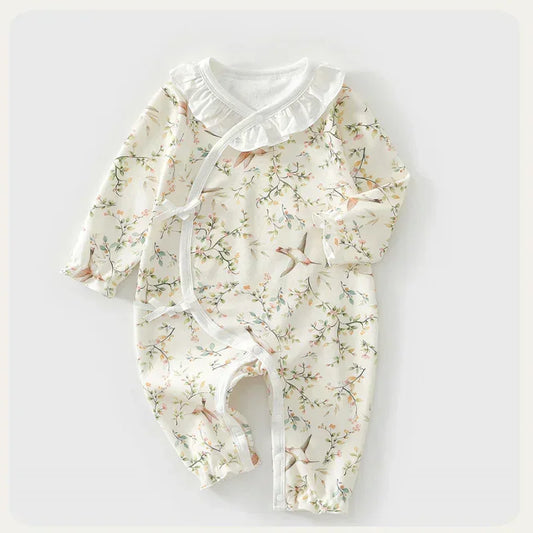
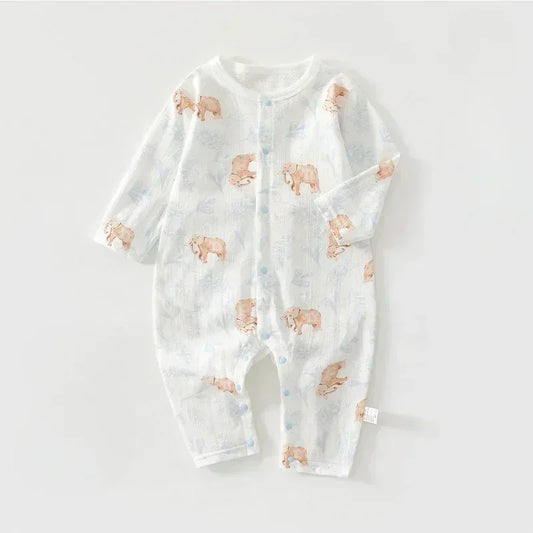
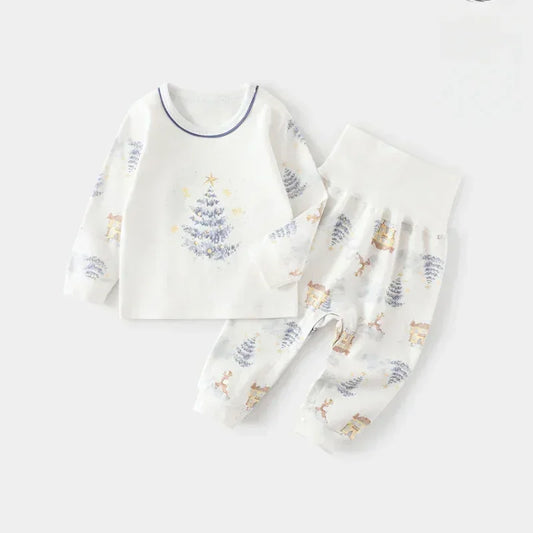
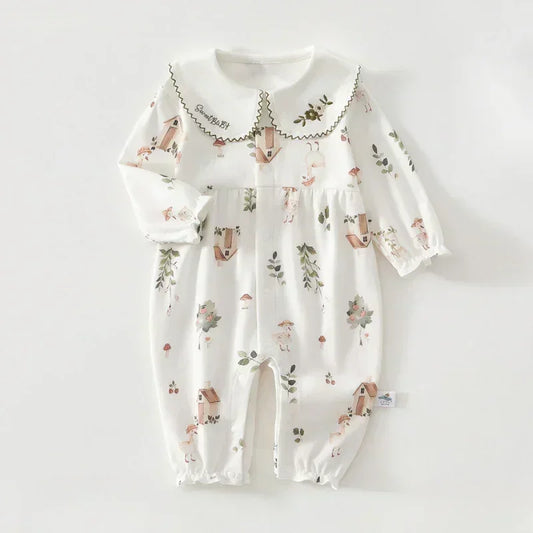
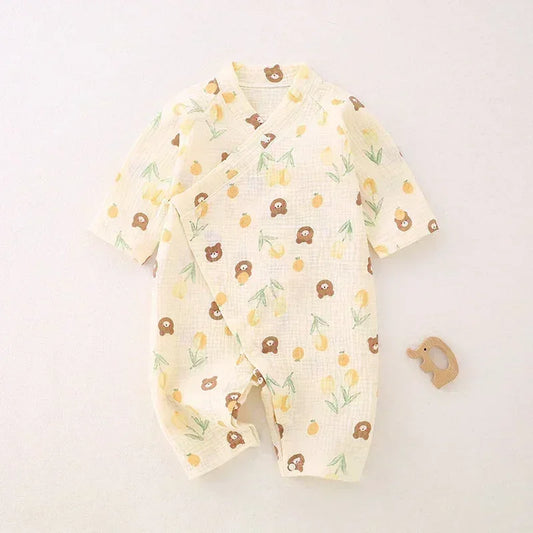
![[2-Pieces Set] 100% Cotton Long-Sleeve Kimono Romper - Blue & Blue Stripe](http://www.organiccottonclubs.com/cdn/shop/files/2_afd198b870f106588ecfc526d714b7a8.jpg?v=1764440625&width=533)


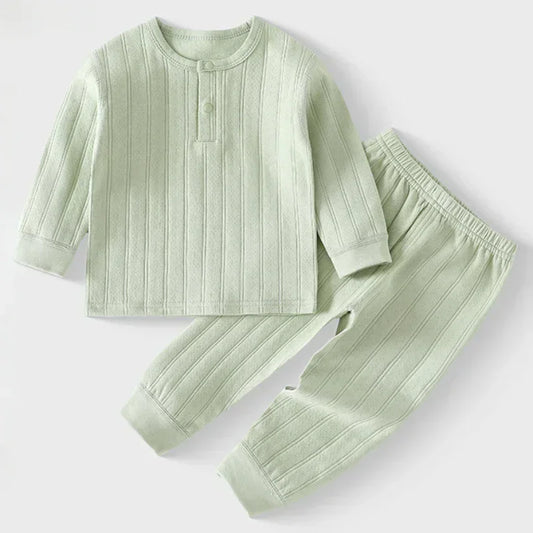
![[2-Pieces Set] 100% Cotton Long Sleeve Side-Snap Bodysuit - Pink & Pink Stripe](http://www.organiccottonclubs.com/cdn/shop/files/2_e34e329d03103a1ef2a830ed0f72d8f4.jpg?v=1759165907&width=533)
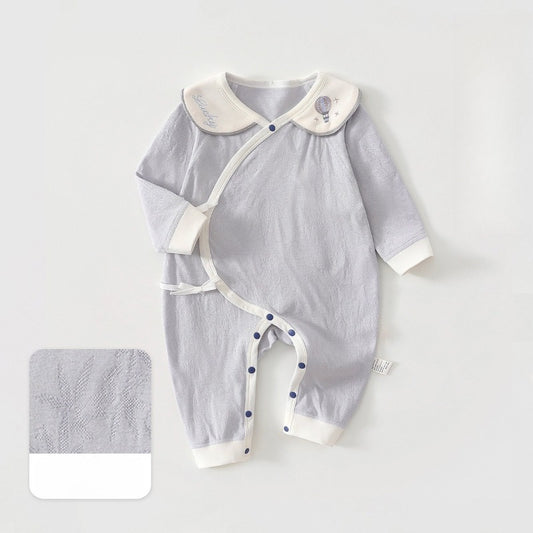
![[2-Pieces Set] 100% Cotton Long Sleeve Snapup Romper - Green & Green Stripe](http://www.organiccottonclubs.com/cdn/shop/files/4_dcde8d24f74c34bd214567f4011b27d7.jpg?v=1759166636&width=533)