


Diaper Rash vs. Fabric Rash: How to Tell the Difference
Share
Understanding the Redness: Diaper Rash or Fabric Rash?
Every parent knows the heart-sinking moment of a diaper change when they discover a bright red, irritated patch on their baby's delicate skin. Your first instinct is likely to reach for the thickest cream available, but what if the rash isn't caused by moisture at all? Distinguishing between a standard diaper rash and a fabric-induced rash is crucial for providing the right relief. Many parents struggle for weeks using the wrong treatments because they haven't identified the root cause: the materials touching their baby's skin.
The Frustration of Persistent Skin Irritation
It is exhausting to watch your little one suffer through the itchiness and discomfort of skin flares. You try every ointment on the market, perform frequent changes, and even try 'naked time,' yet the redness persists. This agitation often stems from cheap, synthetic materials found in mass-produced diapers and clothing. These materials are often treated with harsh chemicals, bleach, and synthetic dyes that trap heat and moisture against the skin, creating a breeding ground for irritation. When the skin cannot breathe, a simple redness can quickly turn into a painful, weeping rash that disrupts sleep and causes constant fussiness.
The Organic Solution: Why Material Matters
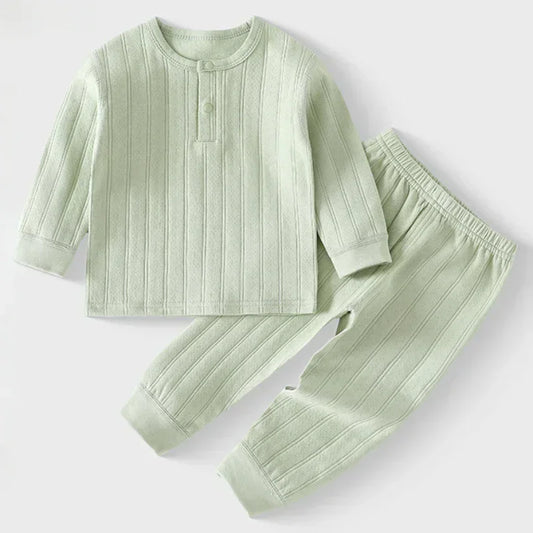
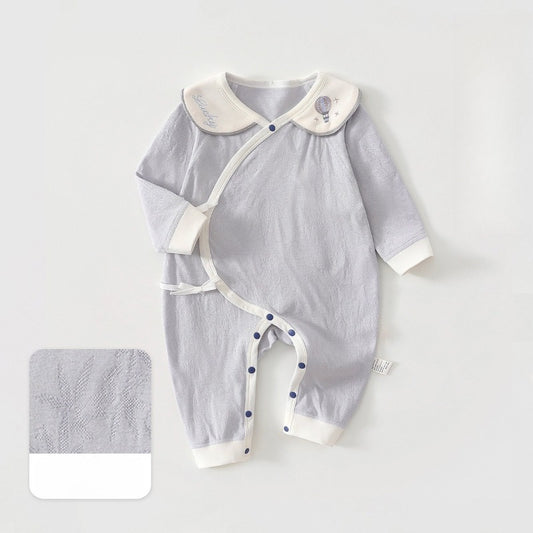
The solution lies in shifting your focus from topical treatments to the textiles themselves. Fabric rash, also known as textile dermatitis, is often a reaction to polyester, nylon, or the chemicals used to make garments 'wrinkle-free' or 'flame retardant.' By choosing GOTS-certified organic cotton, you eliminate these irritants. Organic cotton is naturally breathable, hypoallergenic, and free from the toxic pesticides and heavy metal dyes that plague the conventional textile industry. It allows for natural airflow, which is the best defense against both moisture-based diaper rash and contact-based fabric rash.
How to Tell the Difference
- Location: Diaper rash usually stays within the 'moisture zone' (the creases and bottom), while fabric rash often appears where clothing edges rub, such as the waistline or thighs.
- Appearance: Diaper rash is often shiny and bright red, whereas fabric rash may look like small red bumps or dry, scaly patches.
- Response to Treatment: If a zinc-based cream doesn't clear the area within 48 hours, it is likely an allergy or sensitivity to the fabric itself.
Final Thoughts on Baby Skin Health
Transitioning to high-quality, organic materials isn't just a trend; it's a proactive step in protecting your baby's skin barrier. When you prioritize breathable fibers and non-toxic manufacturing, you give your baby the comfort they deserve. Keep a close eye on where the redness appears, and don't hesitate to swap out synthetic blends for pure, soft organic cotton to see an immediate difference in skin health.
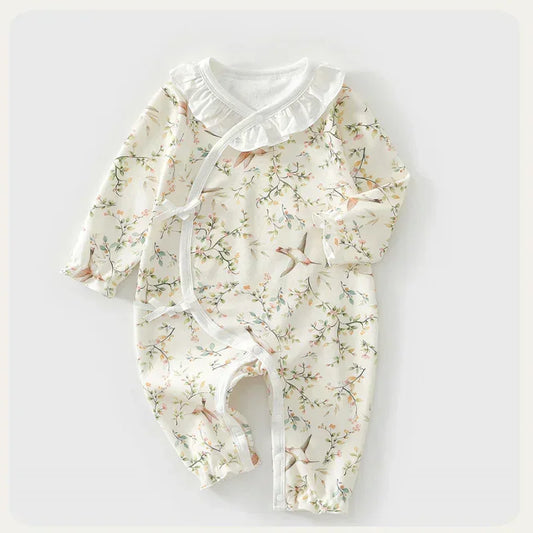
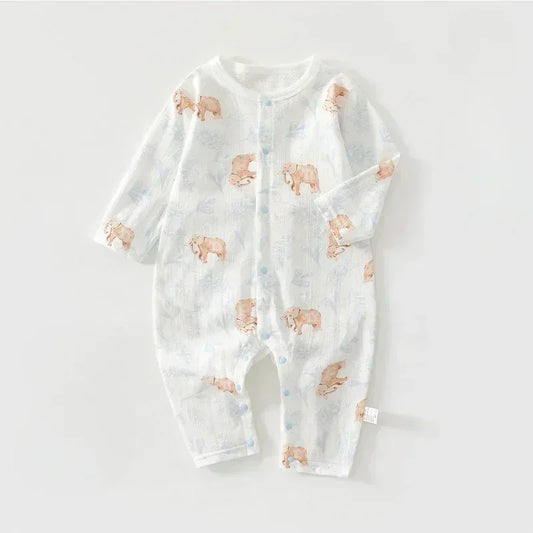

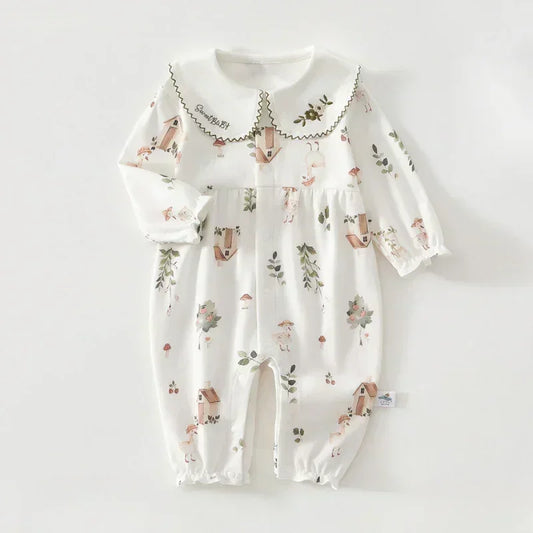
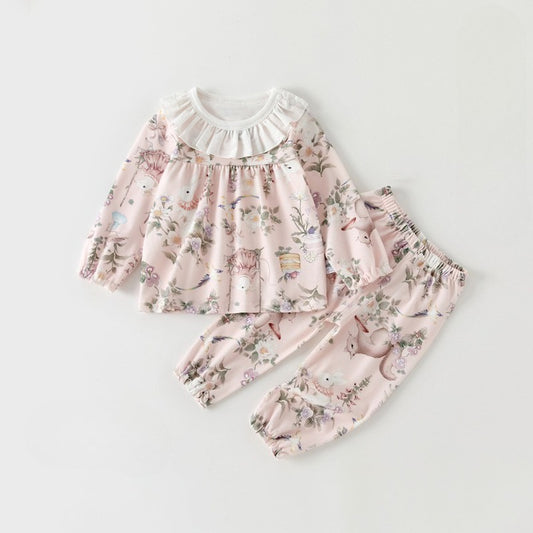
![[2-Pieces Set] 100% Cotton Long-Sleeve Kimono Romper - Blue & Blue Stripe](http://www.organiccottonclubs.com/cdn/shop/files/2_afd198b870f106588ecfc526d714b7a8.jpg?v=1764440625&width=533)


![[2-Pieces Set] 100% Cotton Long Sleeve Side-Snap Bodysuit - Pink & Pink Stripe](http://www.organiccottonclubs.com/cdn/shop/files/2_e34e329d03103a1ef2a830ed0f72d8f4.jpg?v=1759165907&width=533)
![[2-Pieces Set] 100% Cotton Long Sleeve Snapup Romper - Green & Green Stripe](http://www.organiccottonclubs.com/cdn/shop/files/4_dcde8d24f74c34bd214567f4011b27d7.jpg?v=1759166636&width=533)