


Diaper Rash vs. Fabric Rash: How to Tell the Difference
Share
The Midnight Mystery: Is it Diaper Rash or Something Else?
Every parent knows the feeling of dread during a midnight diaper change when you spot that angry red patch on your baby's delicate skin. You reach for the cream, you increase the frequency of changes, and yet, the redness persists. What if the diaper itself isn't the primary problem? Identifying the difference between a standard diaper rash and a fabric-induced rash is crucial for your baby's comfort and your peace of mind. As a parent, you want answers, not just more ointments.
The Problem: The Persistent Redness That Won't Quit
Diaper rash, or irritant diaper dermatitis, is one of the most common parenting struggles, traditionally caused by moisture, friction, or prolonged contact with waste. It is a localized issue, typically confined to the area directly covered by the diaper. However, many parents find themselves trapped in a cycle of treating the symptoms while ignoring a hidden underlying cause. When the irritation spreads beyond the diaper line or appears in patches where the edges of a onesie touch the skin, you are likely dealing with something else entirely.
The Agitation: Why Cheap Materials and Synthetics Hurt
The agitation deepens when you realize that many modern baby clothes are part of the problem. Traditional baby clothing and even some disposable diapers are manufactured using synthetic fibers like polyester, harsh chemical dyes, and toxic finishes. These materials act like a plastic wrap against your baby's skin, trapping heat and preventing the skin from breathing. This 'textile dermatitis' can perfectly mimic a diaper rash but is actually an allergic reaction to the very things meant to keep your baby warm. Conventional cotton isn't much better; it is one of the most chemically treated crops in the world, often containing residues of petroleum-based fertilizers and chemical softeners. When these chemicals interact with a baby's sweat, they leach onto the skin, causing micro-tears and persistent inflammation. It's a frustrating loop of irritation that thick layers of zinc oxide simply cannot fix.
The Solution: The Pure Power of Organic Cotton
The key to breaking this cycle of discomfort is switching to high-quality, organic materials. Organic cotton is the gold standard for sensitive newborn skin because it is grown without synthetic pesticides and processed without the harsh bleaching agents found in mass-produced alternatives. It is naturally breathable, hypoallergenic, and moisture-wicking. By choosing GOTS-certified fabrics, you ensure that your baby's skin stays cool, dry, and free from the irritants found in synthetic blends. Organic cotton maintains its natural wax coating, making it extraordinarily soft without the need for chemical softeners. It provides a natural barrier that allows for thermoregulation, ensuring your baby doesn't overheat—a primary trigger for both diaper and fabric rashes. By removing the chemical load from your baby's wardrobe, you are giving their immune system a break and allowing their skin barrier to strengthen naturally.
How to Tell the Difference: A Quick Guide
- Check the Location: Diaper rash is usually concentrated in the skin folds and directly under the diaper area. Fabric rash often appears where clothing seams rub, under elastic waistbands, or where tags touch the skin.
- Observe the Texture: Diaper rash is often 'shiny,' wet-looking, or bright red. Fabric rash (contact dermatitis) tends to be dry, flaky, or manifests as small, raised red bumps similar to a heat rash.
- The 'Naked Time' Test: If your baby's skin clears up significantly during diaper-free and clothes-free time, but flares up as soon as they are dressed in synthetic onesies, the fabric is the likely culprit.
- Persistence: If the rash does not respond to traditional barrier creams within 48 hours, it is time to look at the materials your baby is wearing.
Final Thoughts on Baby Skin Health
Your baby's skin is their first line of defense against the world, and it is five times thinner than adult skin. By understanding the nuances of diaper rash versus fabric sensitivity, you can make informed choices that promote real healing. Investing in organic cotton isn't just a trend; it's a commitment to your child's long-term health and daily comfort. Say goodbye to the mystery rashes and the endless tubes of cream. Choose breathability, choose purity, and let your baby's skin breathe the way nature intended. A happy baby starts with healthy, irritant-free skin.
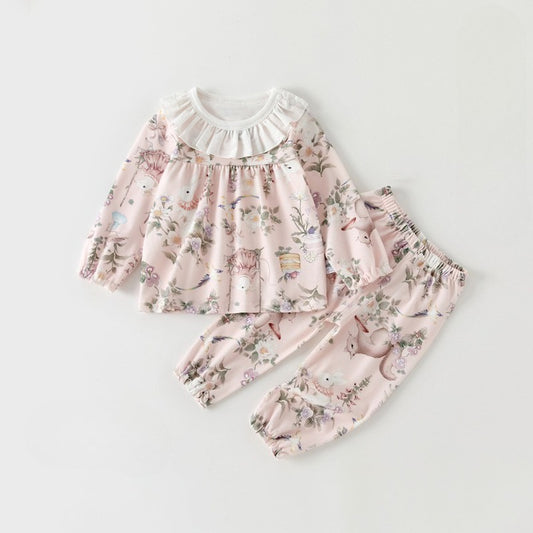
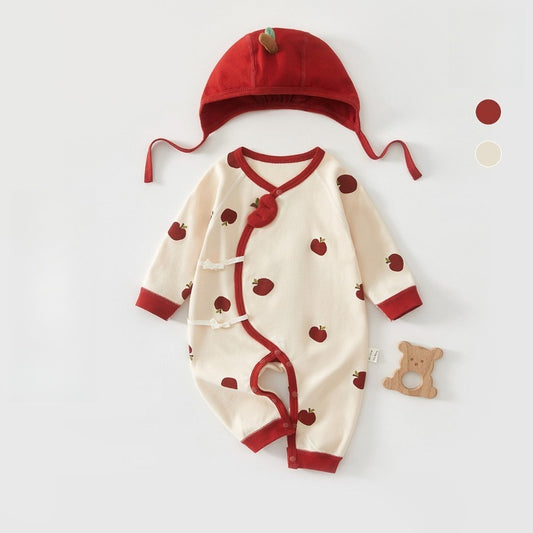
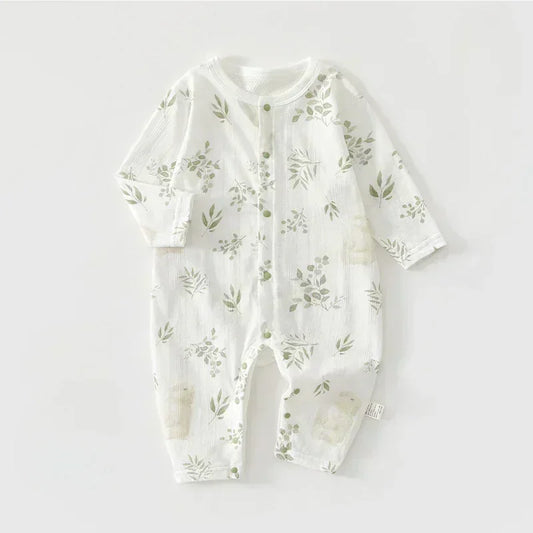
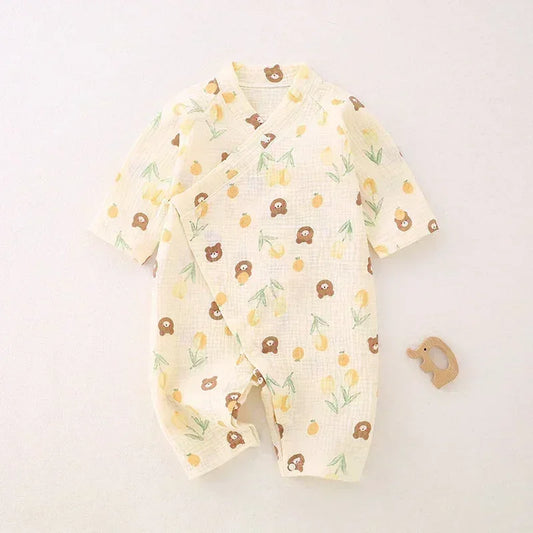
![[2-Pieces Set] 100% Cotton Long-Sleeve Kimono Romper - Blue & Blue Stripe](http://www.organiccottonclubs.com/cdn/shop/files/2_afd198b870f106588ecfc526d714b7a8.jpg?v=1764440625&width=533)

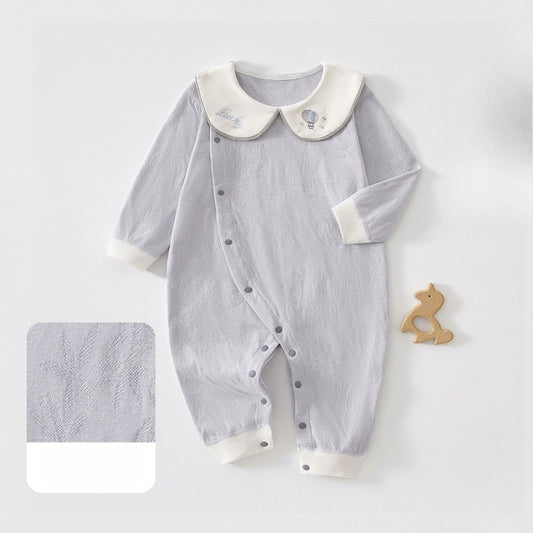

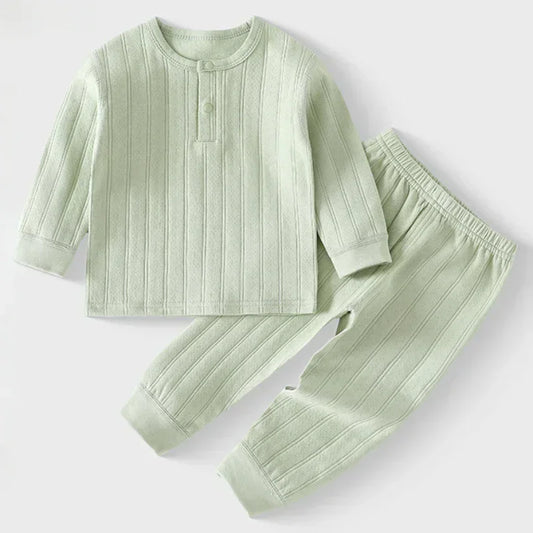
![[2-Pieces Set] 100% Cotton Long Sleeve Side-Snap Bodysuit - Pink & Pink Stripe](http://www.organiccottonclubs.com/cdn/shop/files/2_e34e329d03103a1ef2a830ed0f72d8f4.jpg?v=1759165907&width=533)
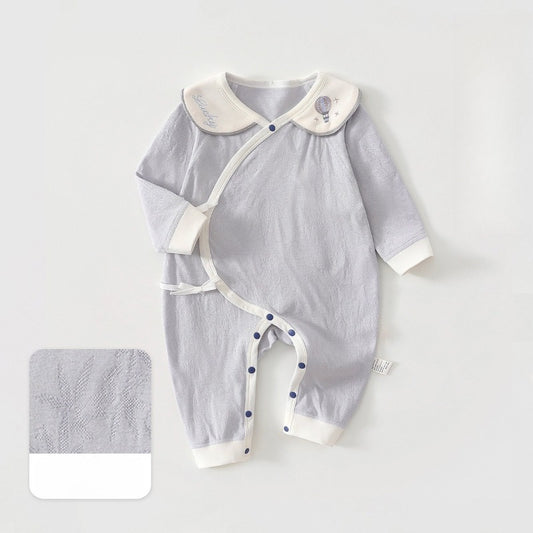
![[2-Pieces Set] 100% Cotton Long Sleeve Snapup Romper - Green & Green Stripe](http://www.organiccottonclubs.com/cdn/shop/files/4_dcde8d24f74c34bd214567f4011b27d7.jpg?v=1759166636&width=533)