


Eczema? Throw Away These 3 Fabrics Immediately.
Share
Is Your Baby Struggling with Eczema?
Watching your little one deal with the persistent itch and redness of eczema is one of the hardest parts of parenting. You have tried every cream and detergent, but have you looked at their clothes? Many common fabrics are secret triggers for infant skin irritation, turning a small dry patch into a painful flare-up. The struggle is real, and the solution might be sitting right in your nursery drawer.
The Agitation: Why Cheap Materials Hurt
Standard baby clothing is often manufactured for cost-efficiency rather than skin health. Synthetic fibers act like plastic wrap, trapping heat and sweat against the skin. This moisture buildup is a primary trigger for atopic dermatitis. The friction from rough, non-breathable materials causes micro-tears in the skin barrier, leading to cycles of scratching, inflammation, and sleepless nights for the whole family.
Throw Away These 3 Fabrics Immediately
1. Polyester
Polyester is a synthetic polymer that is essentially plastic. It has zero breathability. For an eczema-prone baby, wearing polyester is like wearing a sauna. It traps body heat and prevents sweat from evaporating, which irritates sensitive skin instantly. If you see polyester on the tag, it is time to let it go.
2. Conventional Nylon
Much like polyester, nylon is a petroleum-based product. It is frequently found in activewear or blends. It prevents the skin from regulating temperature naturally, causing the baby to overheat quickly. This heat is a direct catalyst for the intense itching associated with eczema.
3. Rough Wool
While wool is a natural fiber, its physical structure is often too prickly for a compromised skin barrier. Even high-quality wool can cause mechanical irritation—the tiny fibers act like needles on sensitive patches. For babies with active flare-ups, the scratchiness of wool is simply too much to handle.
The Solution: The Benefits of Organic Cotton
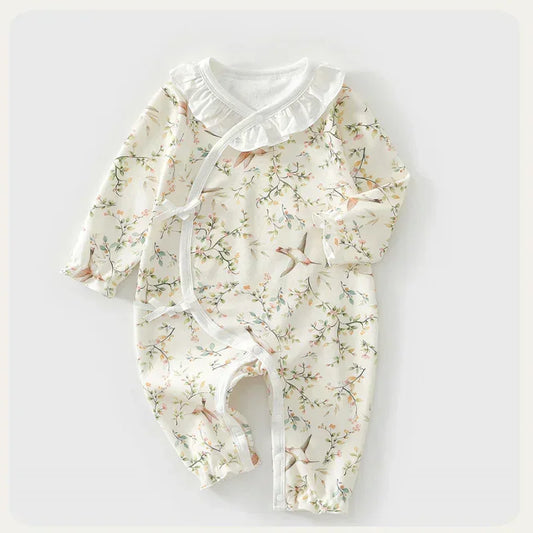
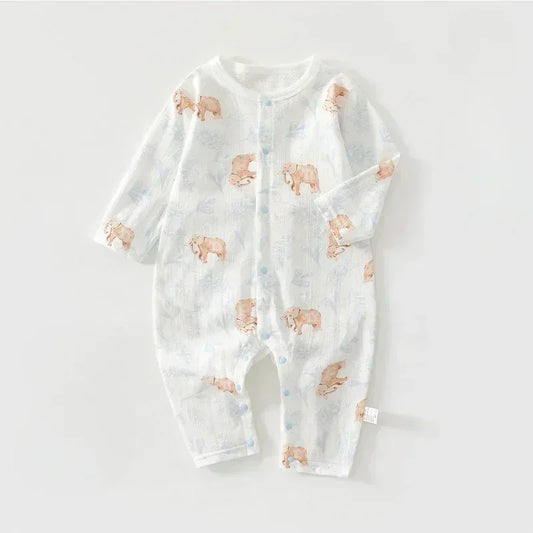
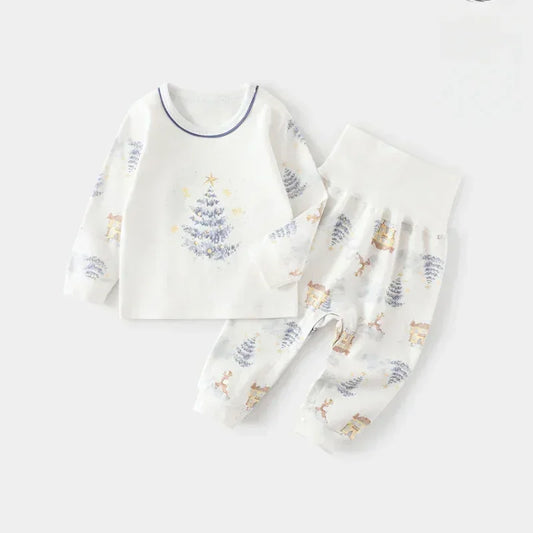
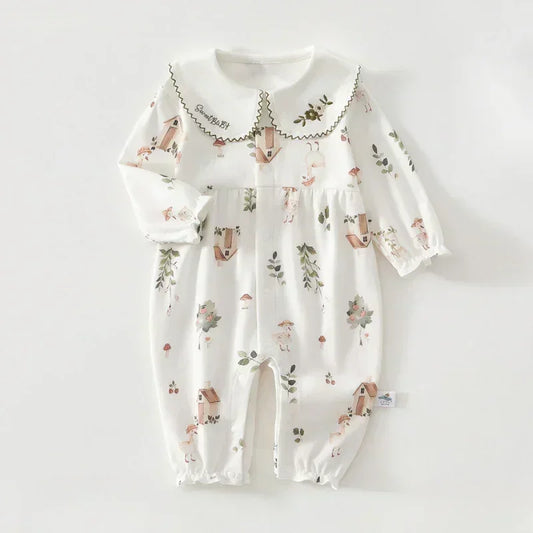
Switching to 100 percent GOTS-certified organic cotton is the most effective way to protect your baby's skin. Organic cotton is grown without toxic pesticides and finished without the formaldehyde resins found in conventional clothing. Its benefits include:
- Maximum breathability to keep skin cool and dry.
- Hypoallergenic properties that won't trigger chemical sensitivities.
- Incredibly soft fibers that reduce friction and agitation.
Final Thoughts
Managing eczema requires a holistic approach, starting with what touches your baby's skin for 24 hours a day. By purging these three fabrics from your nursery and choosing high-quality organic materials, you are giving your child's skin the chance to heal. A comfortable baby is a happy baby.
![[2-Pieces Set] 100% Cotton Long-Sleeve Kimono Romper - Blue & Blue Stripe](http://www.organiccottonclubs.com/cdn/shop/files/2_afd198b870f106588ecfc526d714b7a8.jpg?v=1764440625&width=533)


![[2-Pieces Set] 100% Cotton Long Sleeve Side-Snap Bodysuit - Pink & Pink Stripe](http://www.organiccottonclubs.com/cdn/shop/files/2_e34e329d03103a1ef2a830ed0f72d8f4.jpg?v=1759165907&width=533)
![[2-Pieces Set] 100% Cotton Long Sleeve Snapup Romper - Green & Green Stripe](http://www.organiccottonclubs.com/cdn/shop/files/4_dcde8d24f74c34bd214567f4011b27d7.jpg?v=1759166636&width=533)