

Ethical Labor: Who made your baby's clothes? The human cost of fast fashion.
Share
That Tiny Outfit Has a Big Story
As you fold a tiny, soft onesie, you admire the sweet pattern and the unbelievably low price you paid for it. It's a common, happy moment for any parent preparing for their little one. But have you ever paused to ask a deeper question? Who made this tiny garment? Where did it come from, and what was the true cost—not just for your wallet, but for the person who stitched it together?
The conversation around our clothing choices has grown louder, but the world of baby clothes often flies under the radar. We're so focused on softness, safety, and cuteness that we can overlook the ethical implications. The reality is that the fast fashion industry, with its demand for rapid production and rock-bottom prices, has a profound human cost that touches even the smallest items in our baby's wardrobe.
The Hidden Price Tag of Fast Fashion
Fast fashion is built on a model of producing trendy, inexpensive clothing as quickly as possible. To keep prices low, corners are often cut, and it's the garment workers—overwhelmingly women—who pay the highest price.
The Human Cost
Millions of garment workers are subjected to conditions that are difficult to imagine. This can include:
- Poverty Wages: Many workers earn far below a living wage, trapping them and their families in a cycle of poverty. They work long hours but still cannot afford basic necessities like quality food, housing, or healthcare.
- Unsafe Conditions: Factories can be poorly ventilated, structurally unsound, and lack basic safety measures. The tragic 2013 Rana Plaza collapse in Bangladesh, which killed over 1,100 workers, stands as a horrifying reminder of the risks involved.
- Forced Overtime and Abuse: To meet impossible deadlines, workers are often forced into excessive overtime. Verbal and physical abuse are sadly common in an industry with little oversight and accountability.
- Child Labor: In some parts of the supply chain, children are still exploited, forced to abandon their education to work in hazardous conditions for minimal pay.
When we buy a baby outfit for the price of a coffee, we are often unknowingly participating in this system. The low price is a direct result of these exploited-labor practices.
A Better Choice for Your Baby and the World
The good news is that there is a powerful alternative: choosing ethically and sustainably produced clothing. By making conscious choices, we can support a system that respects both people and the planet.
What Does "Ethical Production" Mean?
Ethical production is a commitment to transparency and human dignity throughout the supply chain. Brands committed to ethical practices ensure their workers receive fair wages, work in safe and healthy environments, and are treated with respect. Certifications like Fair Trade are a great indicator that a product was made under conditions that empower, rather than exploit, its creators.
Why It Matters for Your Baby
Often, ethical production goes hand-in-hand with safer, higher-quality materials like organic cotton. Conventionally grown cotton is one of the world's most pesticide-heavy crops. Those chemicals can linger in the final fabric, potentially irritating a baby's delicate and absorbent skin. Organic cotton, on the other hand, is grown without these harsh chemicals, making it a gentler, safer, and more comfortable choice for your little one.
How to Build an Ethical Baby Wardrobe
Shifting your mindset can feel overwhelming, but every small step makes a difference. It's not about achieving perfection, but about making more mindful choices. Here’s how to start:
- Look for Certifications: The GOTS (Global Organic Textile Standard) certification is the gold standard. It ensures a product is made with at least 95% organic fibers and that it meets strict environmental and social criteria—including ethical labor—throughout the entire supply chain.
- Choose Quality Over Quantity: Instead of buying a dozen cheap onesies that may fall apart after a few washes, invest in a few high-quality, ethically made pieces. They will last longer, feel better, and can be passed down to future siblings or friends.
- Support Small, Transparent Brands: Many small businesses are built on a foundation of ethics and transparency. They often share stories about their factories and artisans, allowing you to connect with the people who made your baby's clothes.
- Embrace Secondhand: Buying pre-loved baby clothes is one of the most sustainable and ethical choices you can make. It extends the life of a garment and reduces demand for new production.
- Ask Questions: Engage with brands on social media or via email. Ask them, "Who made my clothes?" A brand that is proud of its supply chain will be happy to tell you.
Dressing with Intention
The clothes we choose for our babies can be more than just cute and functional; they can be a reflection of our values. By asking the tough questions and seeking out brands that prioritize people, we send a powerful message to the industry that we demand better. Every ethically made sleeper or organic cotton t-shirt is a vote for a fairer, kinder, and more sustainable world for all our children to grow up in.
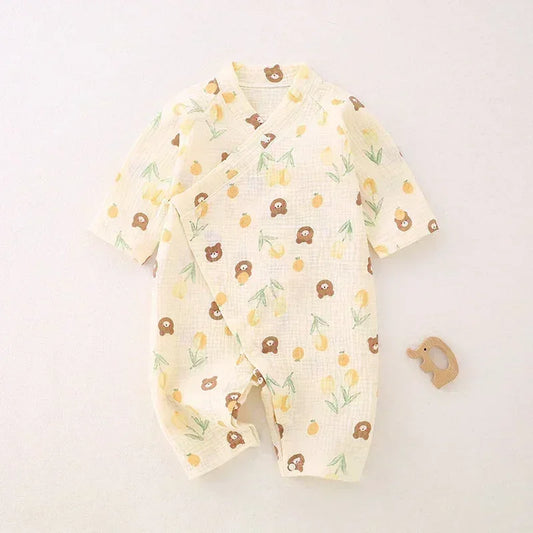
![[2-Pieces Set] 100% Cotton Long-Sleeve Kimono Romper - Blue & Blue Stripe](http://www.organiccottonclubs.com/cdn/shop/files/2_afd198b870f106588ecfc526d714b7a8.jpg?v=1764440625&width=533)


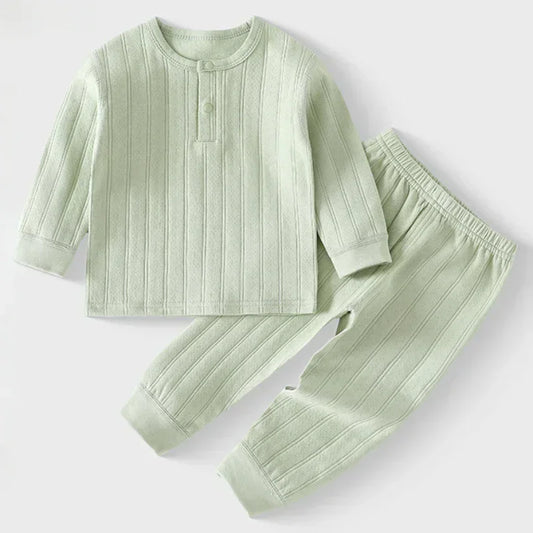
![[2-Pieces Set] 100% Cotton Long Sleeve Side-Snap Bodysuit - Pink & Pink Stripe](http://www.organiccottonclubs.com/cdn/shop/files/2_e34e329d03103a1ef2a830ed0f72d8f4.jpg?v=1759165907&width=533)
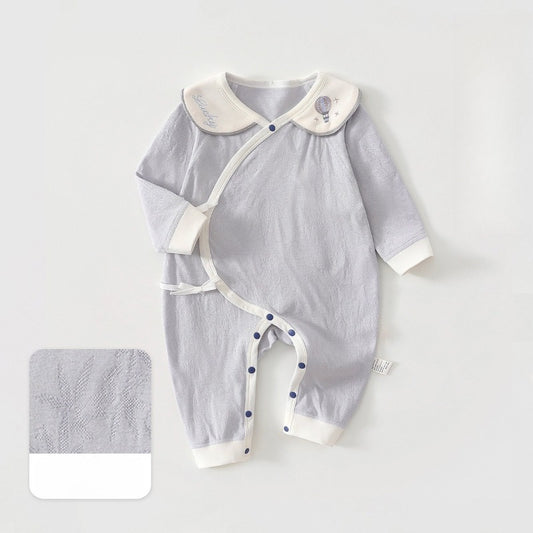
![[2-Pieces Set] 100% Cotton Long Sleeve Snapup Romper - Green & Green Stripe](http://www.organiccottonclubs.com/cdn/shop/files/4_dcde8d24f74c34bd214567f4011b27d7.jpg?v=1759166636&width=533)