


Face Bumps Decoder: Baby Acne vs. Eczema vs. Milia
Share
Face Bumps Decoder: Baby Acne vs. Eczema vs. Milia
There is nothing quite like the softness of a newborn's skin. But when you suddenly notice tiny red bumps, white spots, or dry patches appearing on your baby's face, that sense of peace can quickly turn into anxiety. Is it a heat rash? Is it an allergy? Or is it something more chronic like eczema?
The Parent's Dilemma: Navigating the 'Bumpy' Road
As a new parent, every blemish feels like a personal challenge. You find yourself scrolling through forums at 3 AM, comparing blurry photos to your baby's delicate face. The frustration peaks when you realize that many 'standard' baby products—from lotions to onesies—might actually be making the situation worse. Standard synthetic fabrics trap heat and moisture, creating a breeding ground for irritation and discomfort.
Agitation: Why Your Choice of Fabric Matters
Cheap, mass-produced fabrics are often treated with harsh chemicals, formaldehyde, and heavy-metal dyes. For a baby struggling with eczema or acne, these toxins are like fuel to a fire. Synthetic fibers don't breathe, leading to 'sweat-trapping' which can clog pores (worsening baby acne) or dry out the skin barrier (triggering eczema flare-ups). If you have been wondering why those bumps won't budge despite using 'gentle' soaps, the answer might be right in your laundry basket.
The Solution: The Healing Power of Organic Cotton
The transition to 100% organic cotton isn't just a trend; for babies with sensitive skin, it is a medical necessity. Here is how organic cotton helps decode and heal those face bumps:
- Hypoallergenic Nature: Organic cotton is grown without synthetic pesticides, meaning no chemical residues against your baby's skin.
- Superior Breathability: Natural fibers allow for optimal airflow, preventing the overheating that leads to milia and heat-related acne.
- Moisture Management: Organic cotton absorbs excess moisture without stripping the skin of its natural oils, which is vital for managing eczema.
- Softness Without Friction: The long fibers of organic cotton provide a silky texture that won't scratch or irritate existing bumps.
Decoding the Bumps: A Quick Guide
Baby Acne: Usually appears at 2-4 weeks. Red bumps without a 'head.' Caused by maternal hormones remaining in the system. Keep it clean and dry. Milia: Tiny white 'pearls' under the skin. These are simply trapped skin flakes and usually disappear on their own without treatment. Eczema: Rough, red, itchy patches. Often appears on cheeks first. Requires moisture retention, fragrance-free products, and non-irritating fabrics.
Final Thoughts
While most baby skin conditions are a normal part of development, providing the right environment for healing is key. By choosing organic, GOTS-certified fabrics, you are removing the barriers to your baby's skin health. When in doubt, always consult your pediatrician, but start by giving that delicate skin the soft, chemical-free foundation it deserves.
![[2-Pieces Set] 100% Cotton Long-Sleeve Kimono Romper - Blue & Blue Stripe](http://www.organiccottonclubs.com/cdn/shop/files/2_afd198b870f106588ecfc526d714b7a8.jpg?v=1764440625&width=533)


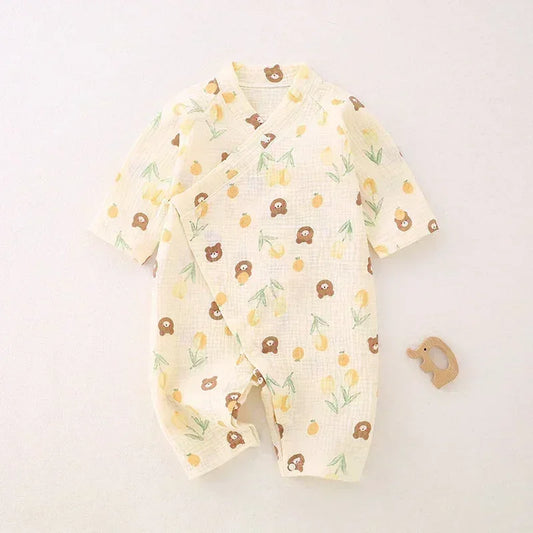
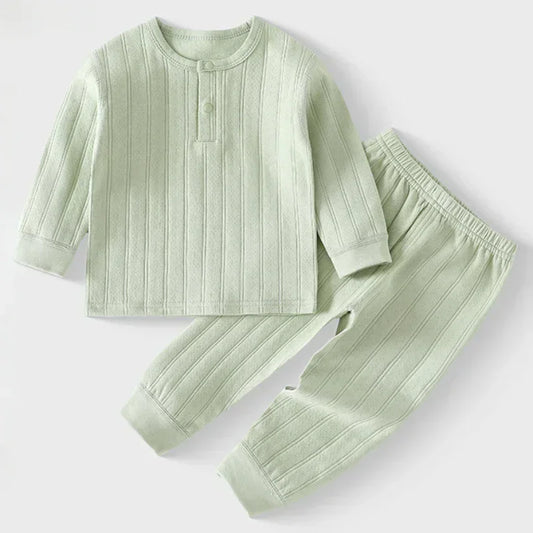
![[2-Pieces Set] 100% Cotton Long Sleeve Side-Snap Bodysuit - Pink & Pink Stripe](http://www.organiccottonclubs.com/cdn/shop/files/2_e34e329d03103a1ef2a830ed0f72d8f4.jpg?v=1759165907&width=533)
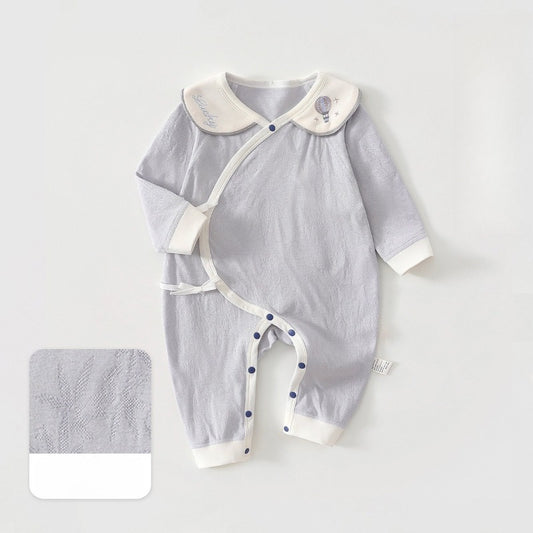
![[2-Pieces Set] 100% Cotton Long Sleeve Snapup Romper - Green & Green Stripe](http://www.organiccottonclubs.com/cdn/shop/files/4_dcde8d24f74c34bd214567f4011b27d7.jpg?v=1759166636&width=533)