

Fast Fashion vs. Organic: Why Cheap Clothes Cost You More.
Share
The Hidden Cost of 'Affordable' Baby Clothes: What Every Parent Needs to Know
As a parent, you are constantly balancing the desire to give your child the absolute best with the practical realities of a household budget. In the world of baby fashion, the allure of fast fashion is undeniable. You see a pack of five onesies for the price of one organic cotton piece and it feels like a victory for your wallet. But is it really? When we look closer at the fast fashion industry versus organic alternatives, it becomes clear that 'cheap' clothes often carry a heavy price tag that isn't printed on the receipt.
The Problem: The 'Disposable' Clothing Trap
The fast fashion model is built on volume and speed. To keep prices low, manufacturers often cut corners that directly impact the quality and safety of the garment. For a parent, this creates a frustrating cycle of 'disposable' clothing. You buy a cute outfit, and after just two or three cycles through the laundry, the fabric begins to pill, the seams start to pull apart, and the vibrant colors fade into a dull gray. This isn't just an aesthetic issue; it's a financial drain. When you have to replace an item three times in the same year because it didn't hold up, that 'bargain' actually ends up costing you significantly more than a single high-quality investment piece.
The Agitation: Harsh Chemicals and Your Baby's Sensitive Skin
The real cost of fast fashion isn't just in your bank account—it's in the potential health risks for your little one. Conventional cotton is one of the most chemically-intensive crops on the planet. From the synthetic pesticides used in the fields to the heavy metal dyes, bleach, and formaldehyde resins used in the factories to keep clothes wrinkle-free and 'bright,' these toxins linger in the fibers long after they hit the store shelves. A baby's skin is up to 30 percent thinner than an adult's, making it incredibly porous and vulnerable to chemical absorption. For many children, these hidden irritants are the secret culprits behind persistent diaper rashes, unexplained contact dermatitis, and worsening eczema. Every time your baby sweats or sleeps in these chemically-treated fabrics, those toxins are in direct contact with their developing system. Furthermore, fast fashion often relies on synthetic blends like polyester, which are essentially plastic. These fabrics don't breathe, leading to overheating and discomfort for your baby.
The Solution: Why Organic Cotton is the Ultimate Parenting Hack
Choosing organic cotton is more than just a lifestyle statement; it is a proactive choice for your child's health and your long-term savings. Organic cotton is grown without toxic synthetic pesticides and processed using safe, water-based dyes that are free from harmful heavy metals. This results in a fabric that is hypoallergenic, exceptionally soft, and completely safe for newborn skin. But the benefits don't stop at safety. Organic fibers are naturally longer and stronger than those found in mass-produced garments. Because they haven't been weakened by harsh chemical treatments, organic clothes are incredibly durable. They can withstand the constant 'wash and wear' cycle of parenting while maintaining their shape, softness, and integrity. This durability allows for a 'cost per wear' that is significantly lower than fast fashion. Benefits include:
- Hypoallergenic Comfort: No more worrying about chemical-induced skin flares or irritations.
- Temperature Regulation: Natural fibers allow skin to breathe, keeping your baby cool in the summer and warm in the winter.
- Long-Term Durability: These pieces are built to last, making them perfect for hand-me-downs or resale, further increasing their value.
- Ethical Impact: By choosing organic, you support fair labor practices and regenerative farming that protects the environment for the next generation.
Final Thoughts
When we choose organic cotton over fast fashion, we are choosing quality over quantity and health over convenience. While the upfront cost might be higher, the benefits of safety, durability, and peace of mind are priceless. It is time to stop paying the 'hidden' costs of cheap clothing and invest in fabrics that are as pure and resilient as the little ones who wear them.
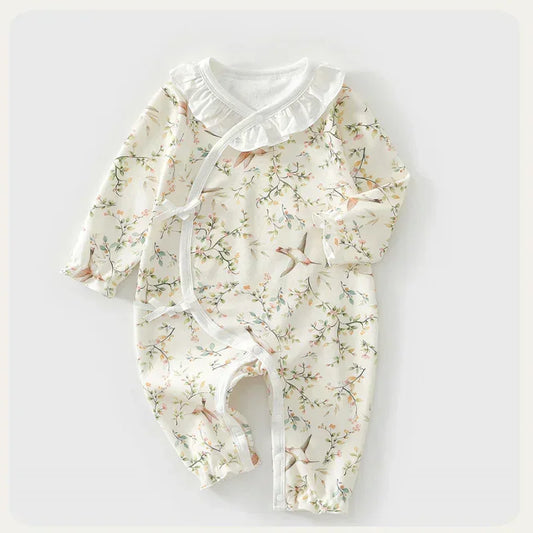
![[2-Pieces Set] 100% Cotton Long-Sleeve Kimono Romper - Blue & Blue Stripe](http://www.organiccottonclubs.com/cdn/shop/files/2_afd198b870f106588ecfc526d714b7a8.jpg?v=1764440625&width=533)


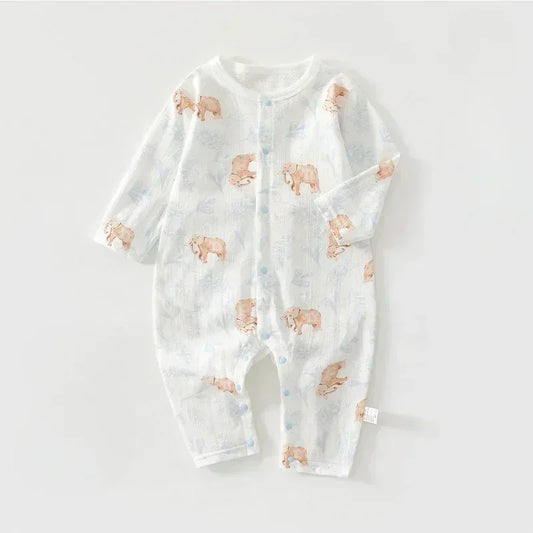
![[2-Pieces Set] 100% Cotton Long Sleeve Side-Snap Bodysuit - Pink & Pink Stripe](http://www.organiccottonclubs.com/cdn/shop/files/2_e34e329d03103a1ef2a830ed0f72d8f4.jpg?v=1759165907&width=533)
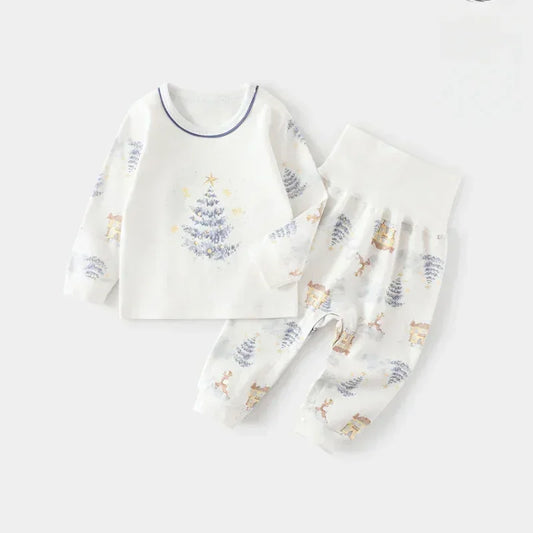
![[2-Pieces Set] 100% Cotton Long Sleeve Snapup Romper - Green & Green Stripe](http://www.organiccottonclubs.com/cdn/shop/files/4_dcde8d24f74c34bd214567f4011b27d7.jpg?v=1759166636&width=533)