


Fever 101: Rectal vs. Ear vs. Forehead Temps (What's Accurate?).
Share
Fever 101: Understanding Rectal, Ear, and Forehead Temperatures
It is 2:00 AM, and your little one feels warm to the touch. Panic sets in as you reach for the medicine cabinet, but then comes the ultimate parenting dilemma: which thermometer do you trust? In the world of parenting, a fever isn't just a number—it is a source of immense anxiety. You want accuracy, but you also want to avoid waking a sleeping, cranky baby.
The Parenting Struggle: The Quest for the 'Real' Number
We have all been there. You swipe a forehead thermometer and get 99.1°F. You try the ear, and it says 100.4°F. You start to wonder if the equipment is broken or if you are doing it wrong. This inconsistency is more than just annoying; it is distressing when you are trying to decide if a trip to the ER is necessary. Most parents rely on whatever tool is fastest, but speed often comes at the cost of precision.
The Hidden Agitation: Why Comfort Matters During a Fever
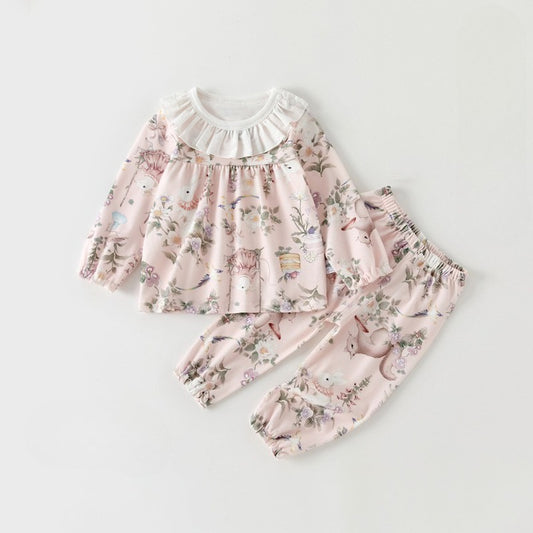
When a child has a fever, their skin becomes hypersensitive. This is where many parents overlook a critical factor: the environment. Using cheap, synthetic polyester pajamas or scratchy synthetic sheets can actually trap heat and irritate a feverish child's skin. Low-quality fabrics don't breathe, causing 'hot spots' that can lead to inaccurate temporal (forehead) readings and general misery for your baby. A fever is hard enough; being trapped in non-breathable, chemical-laden fabric makes the experience worse for their delicate sensory system.
Rectal vs. Ear vs. Forehead: What is Actually Accurate?
To provide the best care, you need to know which method suits your child's age and the situation:
- Rectal Thermometers: The Gold Standard. For infants under 3 months, this is the only measurement doctors truly trust. It provides the most accurate core body temperature.
- Ear (Tympanic) Thermometers: Fast and convenient for toddlers. However, if there is too much earwax or the angle is slightly off, the reading will be wrong.
- Forehead (Temporal Artery) Thermometers: The least invasive. It is great for a quick screening, but it can be affected by sweat or room temperature.
The Solution: Accuracy Meets Organic Comfort
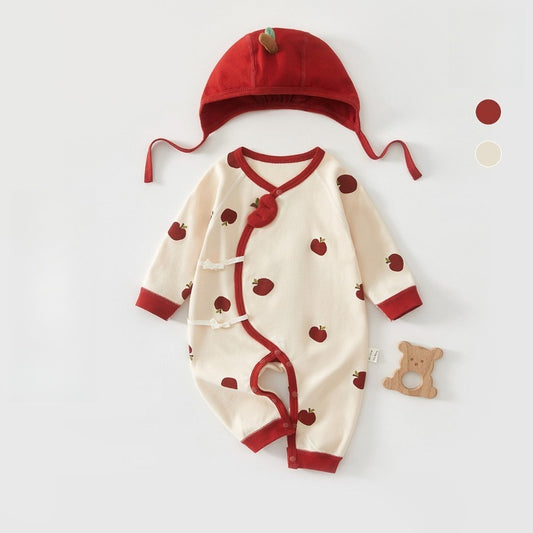
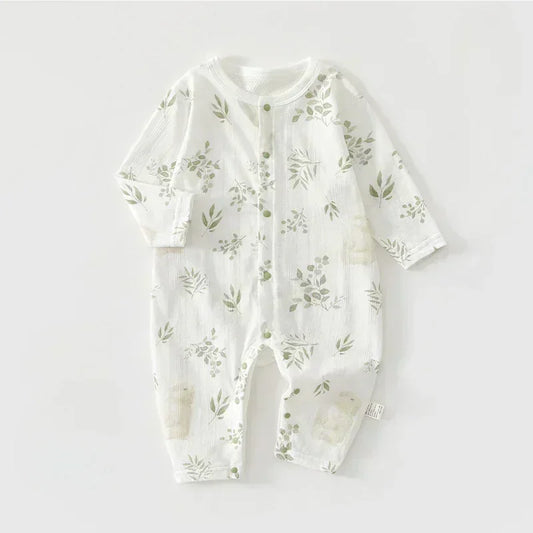
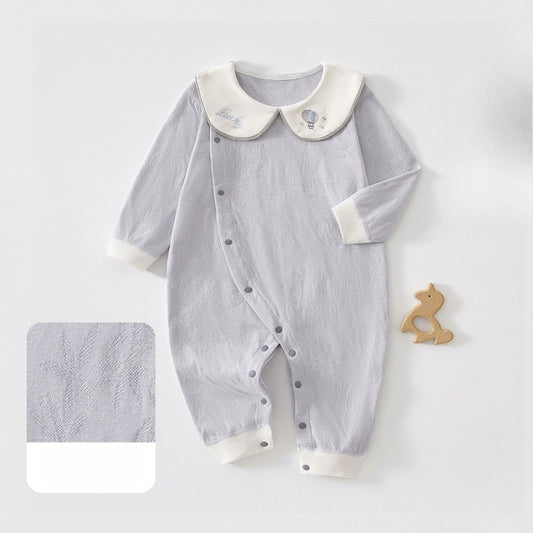
Once you have an accurate reading, the goal is cooling and comfort. This is why many pediatricians and sleep experts recommend switching to GOTS-certified organic cotton. Unlike synthetic blends, organic cotton is naturally thermoregulating. It allows the skin to breathe, wicking away moisture if the fever breaks and the baby starts to sweat. By pairing an accurate temperature reading with high-quality, organic materials, you are treating the fever and the child's comfort simultaneously.
Benefits of Choosing Organic During Illness:
- Superior Breathability: Helps prevent the body from overheating further.
- Hypoallergenic: No harsh chemicals to irritate sensitive, feverish skin.
- Moisture Wicking: Keeps the skin dry during the 'sweating it out' phase.
Final Thoughts
When it comes to fevers, knowledge is power. Use a rectal thermometer for newborns and a forehead or ear thermometer for older children as a first pass. But remember, a thermometer only tells you the temperature; your child's comfort tells you how they are feeling. Surround them with breathable, organic fabrics to ensure that while their body fights the fever, their skin stays calm and comfortable. When in doubt, always consult your pediatrician.
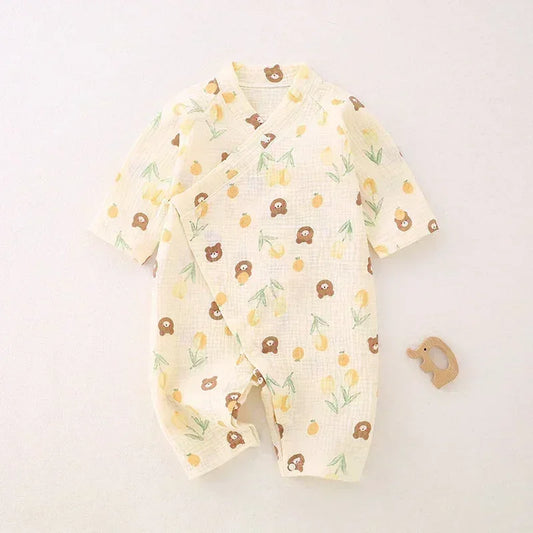
![[2-Pieces Set] 100% Cotton Long-Sleeve Kimono Romper - Blue & Blue Stripe](http://www.organiccottonclubs.com/cdn/shop/files/2_afd198b870f106588ecfc526d714b7a8.jpg?v=1764440625&width=533)


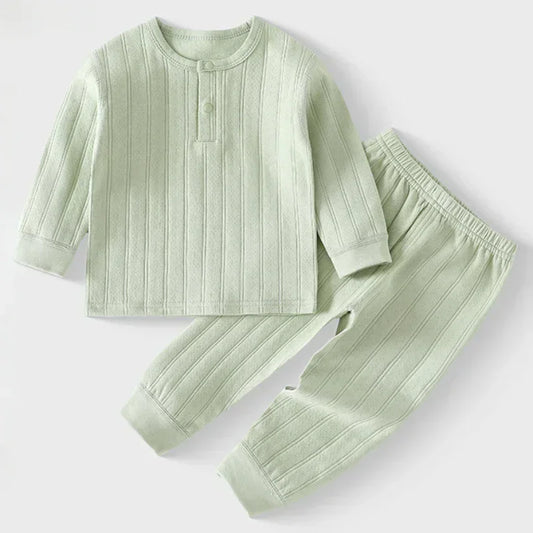
![[2-Pieces Set] 100% Cotton Long Sleeve Side-Snap Bodysuit - Pink & Pink Stripe](http://www.organiccottonclubs.com/cdn/shop/files/2_e34e329d03103a1ef2a830ed0f72d8f4.jpg?v=1759165907&width=533)
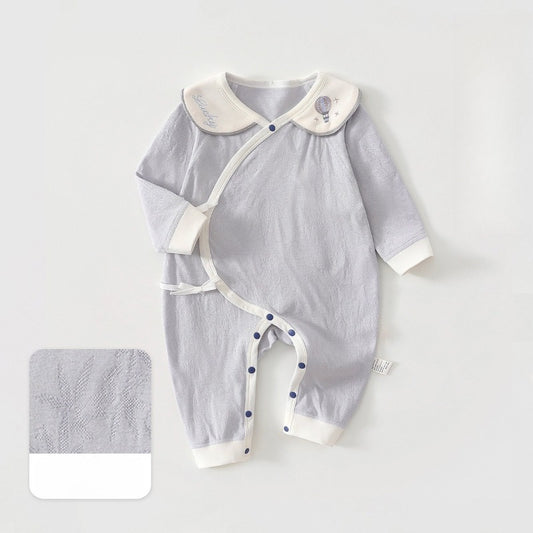
![[2-Pieces Set] 100% Cotton Long Sleeve Snapup Romper - Green & Green Stripe](http://www.organiccottonclubs.com/cdn/shop/files/4_dcde8d24f74c34bd214567f4011b27d7.jpg?v=1759166636&width=533)