


Fine Motor Skill Activities (0-2 Years)
Share
The Milestone Anxiety: Is Your Baby Falling Behind?
Watching your baby grow is one of life's greatest joys, but it often comes with a heavy side of 'milestone anxiety.' You scroll through social media and see toddlers stacking towers while yours is still struggling to grip a rattle. You wonder if you are doing enough to support their development. This pressure is real, and it often leads parents to a common mistake: buying every plastic, battery-operated gadget that promises to 'teach' your child. However, the path to strong fine motor skills is much simpler and more tactile than a flashing screen.
The Hidden Cost of Cheap Plastic Toys
Most mass-produced toys are made from slick, hard plastics that offer very little sensory feedback. When a baby is learning to use their hands, they need texture, weight, and resistance. Cheap materials often have sharp seams or chemical odors that can be off-putting or even harmful for babies who explore the world with their mouths. These toys are designed for entertainment, not for the intricate work of strengthening the small muscles in the fingers and wrists. When you rely on low-quality materials, you're missing a vital window for sensory-motor integration.
The Organic Cotton Advantage for Sensory Play
The solution lies in returning to nature. Organic cotton isn't just a sustainable choice; it's a developmental tool. Unlike plastic, organic cotton has a natural 'grip' that helps infants develop their pincer grasp and hand-eye coordination more effectively. The soft, varied textures of organic fibers stimulate the nervous system without overstimulating the senses. By choosing high-quality, non-toxic materials, you provide a safe environment where your child can tug, squeeze, and pull without exposure to harmful dyes or microplastics. Natural fabrics encourage a longer attention span because they feel better in the hand, allowing for deeper focus on the task at hand.
Activities for Every Stage (0-2 Years)
- 0-6 Months: The Grasp and Release. Use soft organic cotton rattles. The gentle texture makes it easier for tiny fingers to cling on, building the foundation for intentional release.
- 6-12 Months: The Pincer Power. Introduce fabric 'quiet books' with organic cotton loops and large wooden buttons. Pulling on fabric tabs strengthens the index finger and thumb.
- 12-24 Months: The Great Sort. Use organic cotton bins and soft fabric blocks. Have your toddler practice moving objects from one container to another, which builds wrist stability and spatial awareness.
Final Thoughts
Building fine motor skills doesn't require a room full of technology. It requires intentional moments and safe, natural materials. By choosing organic cotton toys, you aren't just protecting the planet; you're providing the best possible foundation for your child's physical development. Focus on the quality of the interaction, not the quantity of the toys.
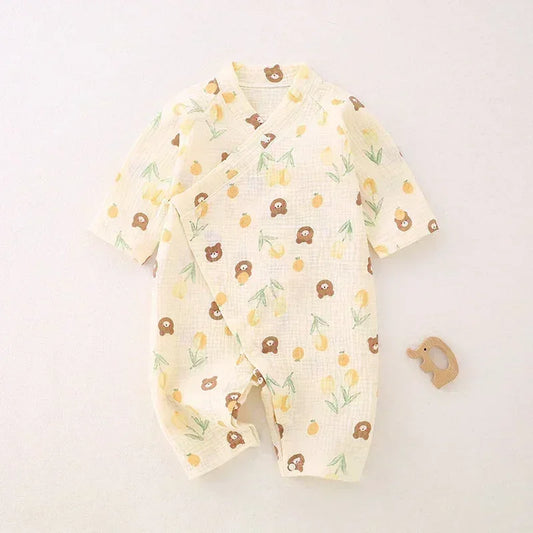
![[2-Pieces Set] 100% Cotton Long-Sleeve Kimono Romper - Blue & Blue Stripe](http://www.organiccottonclubs.com/cdn/shop/files/2_afd198b870f106588ecfc526d714b7a8.jpg?v=1764440625&width=533)


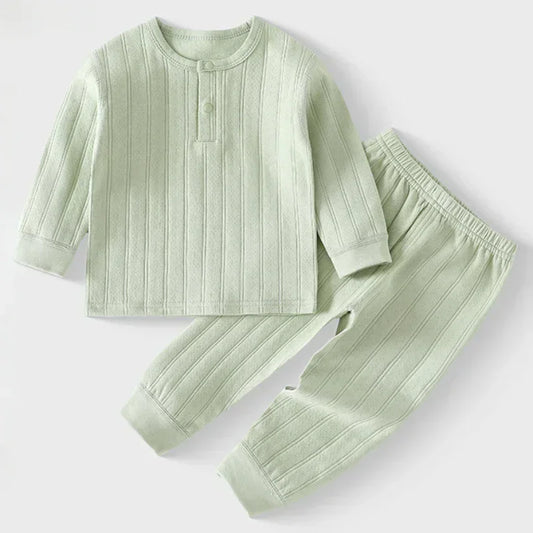
![[2-Pieces Set] 100% Cotton Long Sleeve Side-Snap Bodysuit - Pink & Pink Stripe](http://www.organiccottonclubs.com/cdn/shop/files/2_e34e329d03103a1ef2a830ed0f72d8f4.jpg?v=1759165907&width=533)
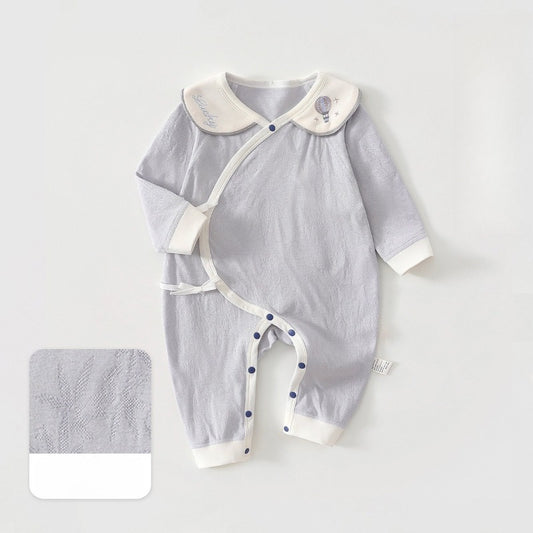
![[2-Pieces Set] 100% Cotton Long Sleeve Snapup Romper - Green & Green Stripe](http://www.organiccottonclubs.com/cdn/shop/files/4_dcde8d24f74c34bd214567f4011b27d7.jpg?v=1759166636&width=533)