


Fine Motor Skills Timeline: Palmar Grasp to Pincer Grasp.
Share
The Journey from Palmar to Pincer Grasp: Understanding Your Baby's Development
Watching your little one reach for their first toy is a magical moment, but for many parents, it is also the start of a long list of developmental worries. Is my baby on track? Why are they still using their whole hand to grab things? The transition from the involuntary palmar grasp to the precise pincer grasp is one of the most critical sequences in early childhood development, yet it is often misunderstood.
The Struggle: Are They Meeting Their Milestones?
Every parent has been there—scrolling through developmental charts at 2 AM, wondering if their child is falling behind. The pressure to ensure your baby hits every milestone perfectly can be overwhelming. You buy the colorful plastic toys advertised on social media, hoping they will spark the right movements, only to find your baby struggling to hold onto them or, worse, losing interest entirely because the objects lack the right sensory feedback.
The Hidden Barrier: Why Synthetic Materials Hinder Progress
What many parents do not realize is that the environment plays a massive role in motor development. Cheap, mass-produced synthetic fabrics and slick plastics can actually make it harder for small hands to learn. These materials lack the natural 'grip' and tactile feedback necessary for a baby to understand pressure and resistance. Furthermore, synthetic dyes and rough textures can irritate sensitive skin, turning a moment of discovery into one of discomfort. When a toy is too slippery or irritating, a baby is less likely to practice the repetitive grabbing motions needed to move from a palmar to a pincer grasp.
The Solution: Enhancing Motor Skills Through Quality Textiles
The secret to supporting fine motor skills lies in the materials your baby interacts with daily. Cotton is not just a choice for skin health; it is a tool for development. Unlike synthetic blends, high-quality organic cotton provides a natural, breathable texture that offers the perfect amount of friction for tiny fingers.
- Tactile Feedback: The ridges and soft fibers of organic cotton help babies feel the object, encouraging them to adjust their grip strength.
- Safety First: Since babies explore with their mouths, 100% cotton ensures no toxic chemicals interfere with their sensory exploration.
- Weight and Balance: Natural fibers provide a consistent weight that helps babies develop hand-eye coordination more effectively than hollow, lightweight plastic.
The Fine Motor Timeline: What to Expect
Understanding the progression helps take the stress out of parenting. Here is the typical timeline for hand development:
- 0-3 Months (Palmar Reflex): An involuntary grasp where the baby curls their fingers around an object placed in their palm.
- 4-6 Months (Palmar Grasp): The baby begins to voluntarily reach for and grab objects using the whole hand, usually squeezing against the palm. This is the perfect time for soft, organic cotton rattles.
- 7-9 Months (Raking Grasp): Using the fingers like a small rake to pull objects toward them. Textured fabrics help them 'catch' the item more easily.
- 10-12 Months (Pincer Grasp): The 'gold standard' of motor skills—using the thumb and index finger to pick up small items.
Final Thoughts
Supporting your baby’s journey from palmar to pincer grasp does not require complex gadgets or loud, battery-operated toys. By providing a safe, tactile environment filled with natural materials like organic cotton, you give them the best foundation for success. Focus on the quality of the interaction, and the milestones will follow naturally.
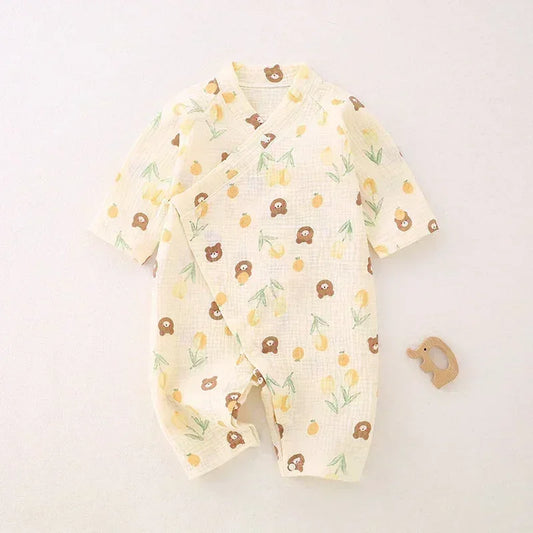
![[2-Pieces Set] 100% Cotton Long-Sleeve Kimono Romper - Blue & Blue Stripe](http://www.organiccottonclubs.com/cdn/shop/files/2_afd198b870f106588ecfc526d714b7a8.jpg?v=1764440625&width=533)


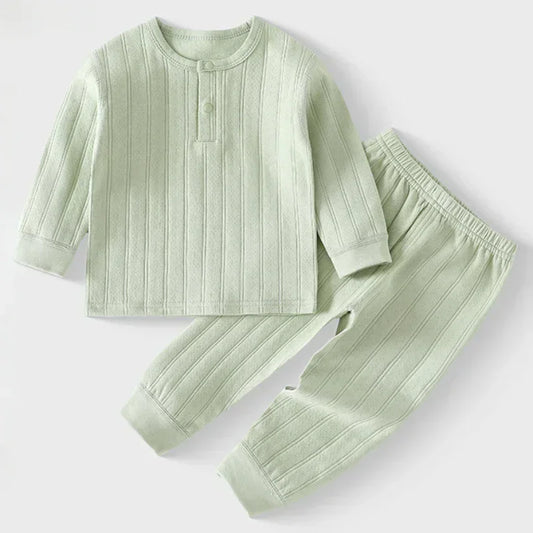
![[2-Pieces Set] 100% Cotton Long Sleeve Side-Snap Bodysuit - Pink & Pink Stripe](http://www.organiccottonclubs.com/cdn/shop/files/2_e34e329d03103a1ef2a830ed0f72d8f4.jpg?v=1759165907&width=533)
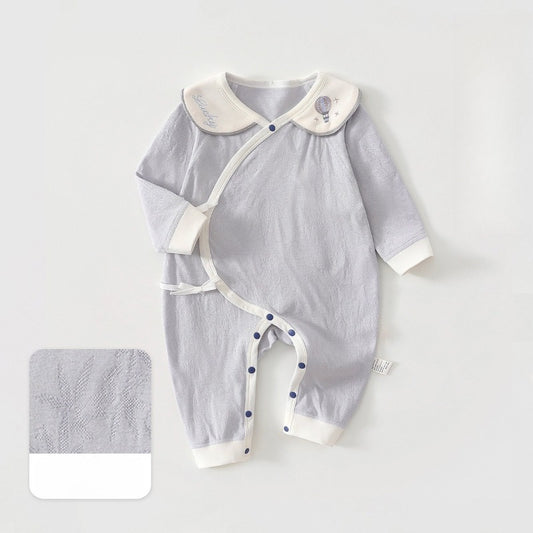
![[2-Pieces Set] 100% Cotton Long Sleeve Snapup Romper - Green & Green Stripe](http://www.organiccottonclubs.com/cdn/shop/files/4_dcde8d24f74c34bd214567f4011b27d7.jpg?v=1759166636&width=533)