


First Foods Introduction Chart: Age-by-Age Guide
Share
The Stress of Starting Solids
Starting the journey of first foods is a major milestone, but for many parents, it feels like a mountain of confusion. You want the best for your little one, yet the internet is flooded with conflicting advice. One source says start at four months, another says six. You worry about choking hazards, allergic reactions, and whether your baby is getting the right nutrients. This uncertainty can turn what should be a joyful experience into a daily struggle filled with anxiety and guesswork.
The Danger of Following Outdated Advice
The problem deepens when we look at the quality of information and products available. Many generic charts recommend processed cereals filled with synthetic additives or suggest introducing foods that are difficult for a developing digestive system to handle. Cheap, mass-produced baby food often lacks the vital nutrients found in fresh, organic ingredients. When you rely on low-quality materials or poorly researched guides, you risk missing the window for developing a healthy palate and may even contribute to tummy troubles or sensitivities that could have been avoided with a more thoughtful, organic approach.
Your Stress-Free Guide to First Foods
The solution lies in a structured, organic-first approach that respects your baby's developmental pace. By focusing on whole, nutrient-dense foods and following a clear age-by-age chart, you can foster a lifetime of healthy eating habits. Organic fruits, vegetables, and grains provide the cleanest foundation for growth, free from harmful pesticides and fillers. Below is our comprehensive guide to help you navigate this exciting transition with confidence.
4 to 6 Months: The Exploration Phase
- Focus: Single-ingredient purees and very soft textures.
- Key Foods: Organic avocado, sweet potato, and iron-fortified oats.
- Goal: Introducing the concept of swallowing something other than milk.
- Signs of Readiness: Good head control and showing interest in your food.
7 to 9 Months: Introducing Texture and Variety
- Focus: Thicker purees, mashed foods, and soft finger foods.
- Key Foods: Organic bananas, steamed carrots, peas, and mild proteins like lentils.
- Goal: Encouraging chewing motions and exploring different flavor profiles.
- Tip: Start mixing two familiar flavors together to expand their palate.
10 to 12 Months: Mastering Self-Feeding
- Focus: Small pieces of soft table foods and diverse textures.
- Key Foods: Soft-cooked organic pasta, small bits of chicken, and chopped berries.
- Goal: Developing the pincer grasp and participating in family mealtimes.
- Safety: Always supervise mealtimes and avoid hard, round foods like whole grapes.
Essential Tips for Food Safety and Success
Always wait three to five days between introducing new foods to identify any potential allergies. Keep the environment calm and follow your baby's cues—if they turn their head away, they are likely full. Remember, at this stage, breast milk or formula remains the primary source of nutrition, so dont feel pressured if they only take a few bites at first.
Final Thoughts
Introducing first foods is a marathon, not a sprint. By choosing organic, high-quality ingredients and following a reliable age-by-age guide, you are giving your baby the best possible start. Trust your intuition, stay patient through the messes, and enjoy watching your little one discover the world of flavor. Download our printable version of this chart to keep on your fridge for easy reference!
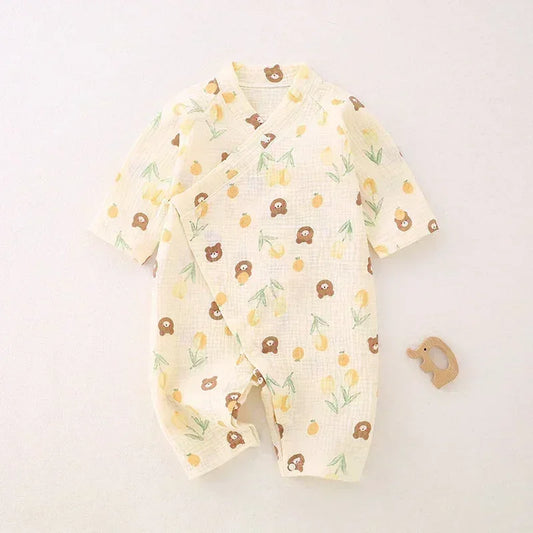
![[2-Pieces Set] 100% Cotton Long-Sleeve Kimono Romper - Blue & Blue Stripe](http://www.organiccottonclubs.com/cdn/shop/files/2_afd198b870f106588ecfc526d714b7a8.jpg?v=1764440625&width=533)


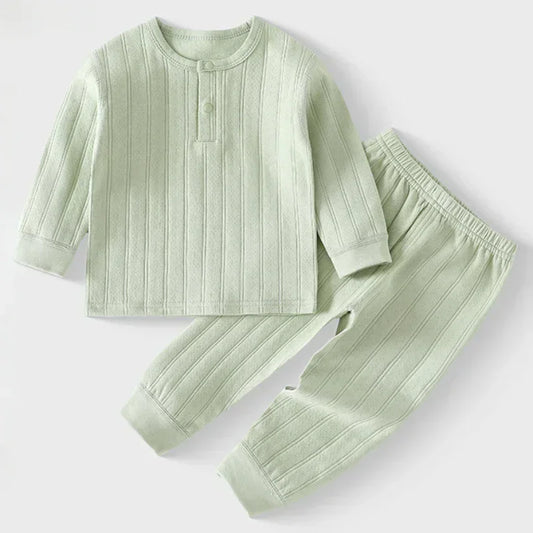
![[2-Pieces Set] 100% Cotton Long Sleeve Side-Snap Bodysuit - Pink & Pink Stripe](http://www.organiccottonclubs.com/cdn/shop/files/2_e34e329d03103a1ef2a830ed0f72d8f4.jpg?v=1759165907&width=533)
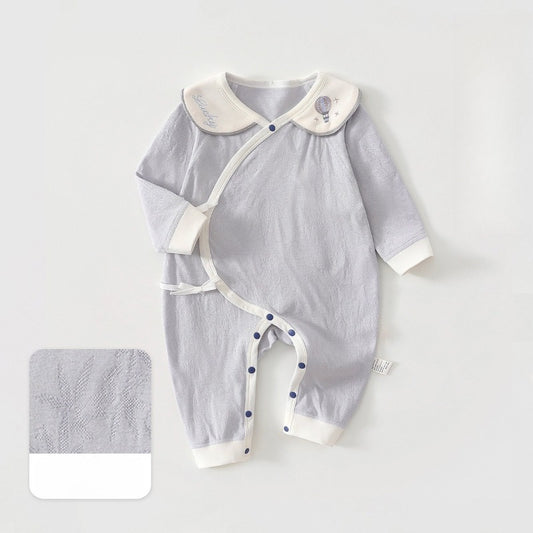
![[2-Pieces Set] 100% Cotton Long Sleeve Snapup Romper - Green & Green Stripe](http://www.organiccottonclubs.com/cdn/shop/files/4_dcde8d24f74c34bd214567f4011b27d7.jpg?v=1759166636&width=533)