

First Foods Introduction Chart: Age-by-Age Guide
Share
The Big Milestone: Starting Solids Without the Stress
Navigating the world of first foods is a journey filled with excitement and, let is be honest, a fair amount of anxiety. As a parent, you want to ensure your baby gets the best nutritional start possible, but the transition from milk to solids often feels like a steep learning curve. The primary struggle is the sheer volume of conflicting information. One book says start at four months, another says six. One friend swears by purees, while another insists on baby-led weaning. This confusion creates a paralyzing sense of indecision for many families.
The Agitation: Why Getting the First Foods Wrong Matters
Why does this stage feel so high-stakes? It is because the early introduction of food is about more than just calories. It is about developing motor skills, preventing future allergies, and establishing a healthy relationship with food. Using processed baby foods with hidden sugars or fillers can dull a child is palate before they even taste a real vegetable. Low-quality materials, whether in the food itself or the plastic containers they are stored in, can introduce toxins that have no place in a developing body. The frustration of seeing your baby reject food you spent an hour preparing, combined with the fear of choking or allergic reactions, can turn mealtime into a source of dread rather than a moment of connection.
The Solution: A Gentle, Age-by-Age Approach to First Foods
The key to a successful transition is a structured, stage-based approach that respects your baby is developmental readiness. By focusing on organic, whole-food ingredients and appropriate textures, you can foster a lifetime of healthy eating habits. Here is our expert-recommended breakdown of how to introduce solids safely and joyfully.
Phase 1: 4 to 6 Months (The Introduction Phase)
- Signs of readiness: Sitting up with minimal support and showing interest in your food.
- Focus: Single-ingredient purees to monitor for allergies.
- Top Foods: Organic avocado, steamed sweet potato, or iron-fortified single-grain cereals.
- Texture: Thin, runny consistency similar to breast milk or formula.
Phase 2: 6 to 9 Months (The Flavor Exploration Phase)
- Focus: Introducing more complex flavors and thicker textures.
- Top Foods: Mashed banana, steamed peas, yogurt, and soft-cooked carrots.
- Texture: Thicker purees or soft mashes with tiny lumps to encourage chewing.
- Protein: Start introducing mild proteins like well-cooked lentils or finely shredded chicken.
Phase 3: 9 to 12 Months (The Finger Food Phase)
- Focus: Self-feeding and varying textures to develop the pincer grasp.
- Top Foods: Small pieces of soft fruit, cooked pasta shapes, and bite-sized bits of cheese.
- Texture: Soft solids that can be easily squashed between your fingers.
- Family Meals: Start incorporating tiny portions of what the rest of the family is eating, minus the salt.
Final Thoughts on Your Baby is Culinary Journey
Every baby is an individual and will progress at their own pace. The goal of this first year is exploration and education, not just consumption. By choosing high-quality, organic ingredients and following a clear age-based chart, you remove the guesswork and replace it with confidence. Remember to keep the environment calm, let your baby get messy, and trust the process. You are building the foundation for a healthy future, one spoonful at a time.
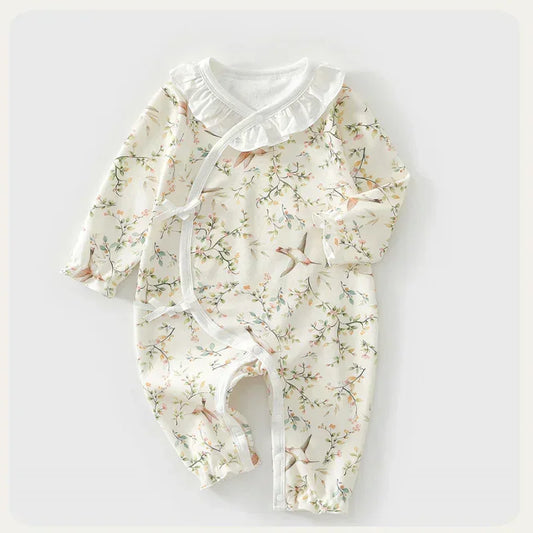
![[2-Pieces Set] 100% Cotton Long-Sleeve Kimono Romper - Blue & Blue Stripe](http://www.organiccottonclubs.com/cdn/shop/files/2_afd198b870f106588ecfc526d714b7a8.jpg?v=1764440625&width=533)


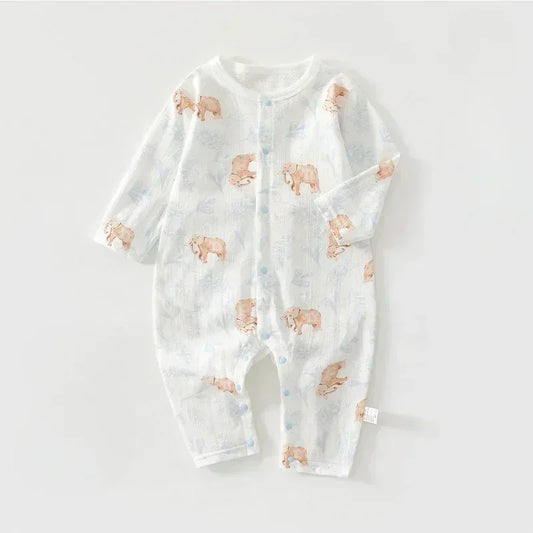
![[2-Pieces Set] 100% Cotton Long Sleeve Side-Snap Bodysuit - Pink & Pink Stripe](http://www.organiccottonclubs.com/cdn/shop/files/2_e34e329d03103a1ef2a830ed0f72d8f4.jpg?v=1759165907&width=533)
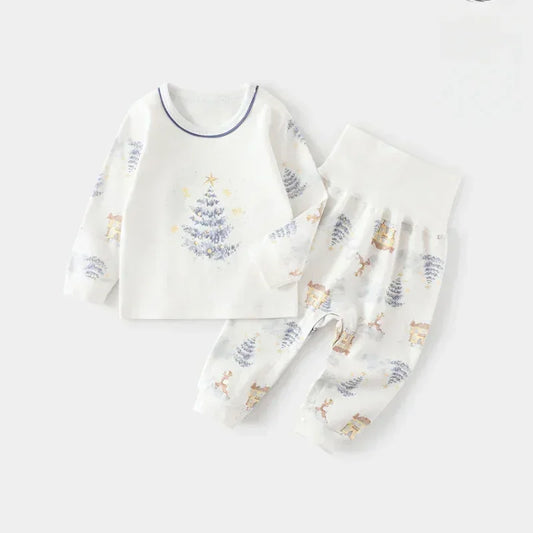
![[2-Pieces Set] 100% Cotton Long Sleeve Snapup Romper - Green & Green Stripe](http://www.organiccottonclubs.com/cdn/shop/files/4_dcde8d24f74c34bd214567f4011b27d7.jpg?v=1759166636&width=533)