


From Grasping to Pincer Grip: How to Develop Your Baby's Hand Skills (0-12M).
Share
Mastering the Milestone: From First Grasp to the Perfect Pincer Grip
Watching your baby reach for your finger for the first time is a core memory for every parent. But as the months go by, that simple reflex evolves into a complex set of fine motor skills that lay the foundation for feeding, dressing, and eventually writing. Yet, many parents find themselves overwhelmed by the sheer volume of 'educational' plastic toys that promise quick results but often fall short in providing the tactile feedback necessary for genuine development.
The Problem: Overstimulation and Subpar Materials
In today's fast-paced world, nursery shelves are often filled with battery-operated toys that do the work for the baby. While these gadgets might flash and beep, they often lack the varied textures and weights required to challenge a developing hand. Furthermore, many mass-produced toys are made from cheap plastics or synthetic fabrics treated with harsh chemicals. Since babies explore the world with their mouths as much as their hands, these materials aren't just uninspiring—they can be detrimental to their sensory health.
Agitation: Why Your Choice of Material Matters
If a toy is too slippery, too light, or lacks a natural 'bite,' a baby's grip doesn't have to work hard to adapt. Synthetic fibers can feel uniform and sterile, failing to stimulate the nerve endings in the fingertips that signal the brain to adjust pressure. This lack of sensory 'friction' can lead to frustration, as the baby struggles to hold objects securely, potentially delaying the transition from a clumsy palm grasp to the precise pincer grip.
The Solution: The Organic Advantage in Motor Development
Choosing organic cotton and natural materials is more than a lifestyle choice; it's a developmental strategy. Organic fabrics provide a natural grip and varied weave patterns that offer the 'traction' a tiny hand needs to practice complex movements. Here is how your baby’s hand skills develop month-by-month and how you can support them:
- 0-3 Months: The Reflexive Stage. Your baby starts with a palmar reflex. Encourage awareness by gently brushing different organic textures against their palms.
- 4-6 Months: The Palmar Grasp. Babies begin to intentionally reach and 'rake' objects. Use soft, organic cotton rattles that are easy to squeeze and light enough to lift.
- 7-9 Months: The Radial-Digital Grasp. The thumb begins to work with the fingers. This is the perfect time for textured fabric balls and soft blocks.
- 10-12 Months: The Pincer Grip. The 'holy grail' of fine motor skills. Your baby uses the tips of the index finger and thumb to pick up small items.
How to Encourage Skill Growth at Home
To foster these skills, focus on 'slow' play. Instead of plastic buttons, provide toys with different closures like large wooden buttons or organic loops. Organic cotton toys with knotted 'ears' or woven tags are excellent for the pincer grip because they require precise finger placement. These natural materials are also safe for the inevitable 'mouth-exploration' that accompanies every new discovery.
Final Thoughts
Developing your baby's hand skills is a journey of a thousand tiny reaches. By providing a curated environment filled with high-quality, organic materials, you aren't just keeping them safe from chemicals—you are giving their hands the best possible 'tools' to master the world around them. Focus on quality over quantity, and watch as those clumsy reaches turn into the most delicate of grips.
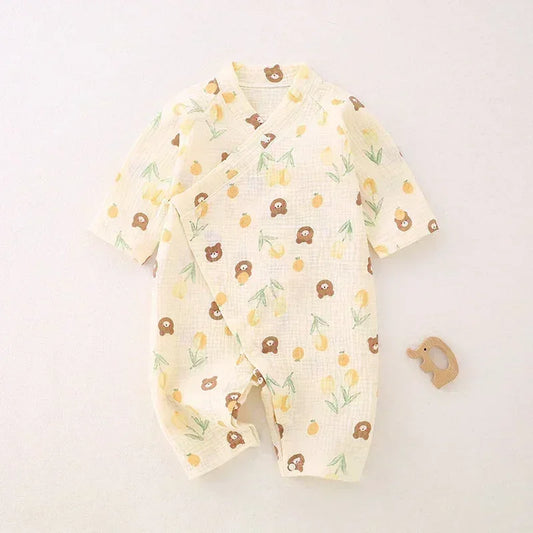
![[2-Pieces Set] 100% Cotton Long-Sleeve Kimono Romper - Blue & Blue Stripe](http://www.organiccottonclubs.com/cdn/shop/files/2_afd198b870f106588ecfc526d714b7a8.jpg?v=1764440625&width=533)


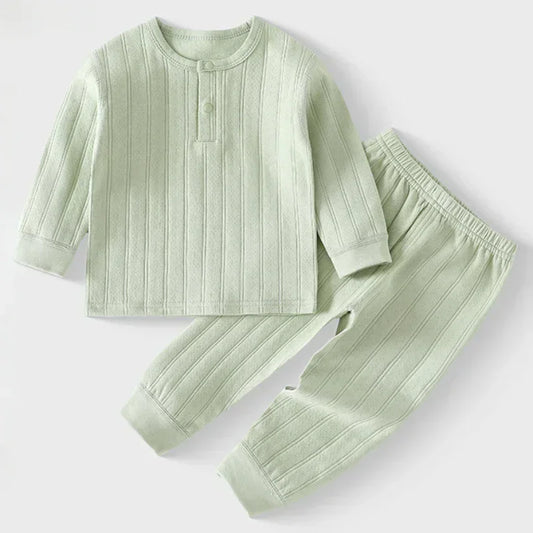
![[2-Pieces Set] 100% Cotton Long Sleeve Side-Snap Bodysuit - Pink & Pink Stripe](http://www.organiccottonclubs.com/cdn/shop/files/2_e34e329d03103a1ef2a830ed0f72d8f4.jpg?v=1759165907&width=533)
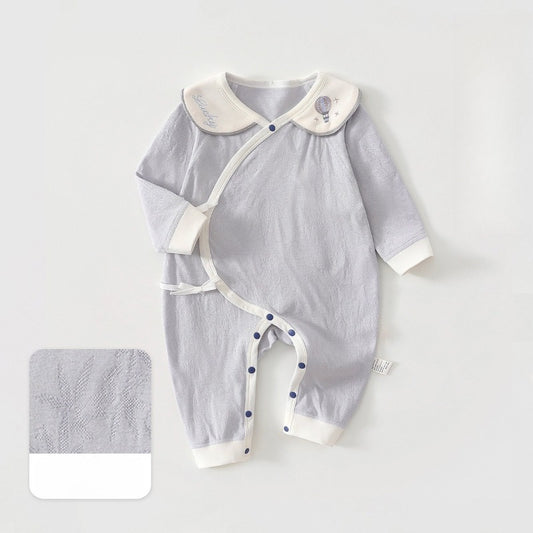
![[2-Pieces Set] 100% Cotton Long Sleeve Snapup Romper - Green & Green Stripe](http://www.organiccottonclubs.com/cdn/shop/files/4_dcde8d24f74c34bd214567f4011b27d7.jpg?v=1759166636&width=533)