

Gentle Discipline: What to Say Instead
Share
The Hidden Struggle of Modern Parenting
Do you ever find yourself at the end of your rope, yelling at your child only to feel a wave of guilt the moment they look at you with fear? Parenting is one of the most demanding roles on earth, and when stress peaks, it is natural to revert to the harsh methods we might have experienced ourselves. This struggle often stems from a lack of tools rather than a lack of love. We want to guide our children, but we often find ourselves stuck in a cycle of reactivity that leaves everyone feeling defeated.
Why Harsh Discipline Can Backfire
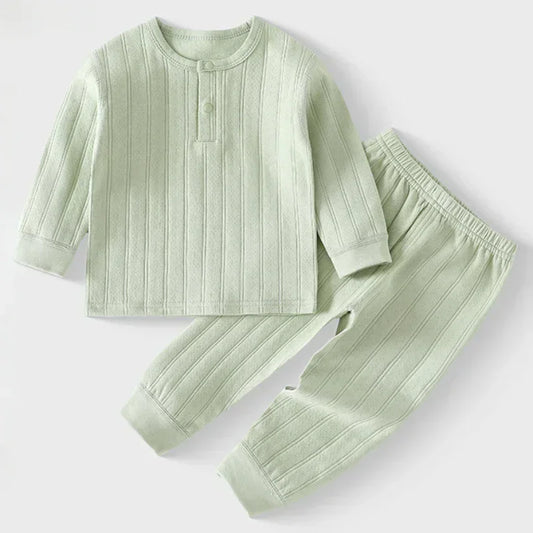
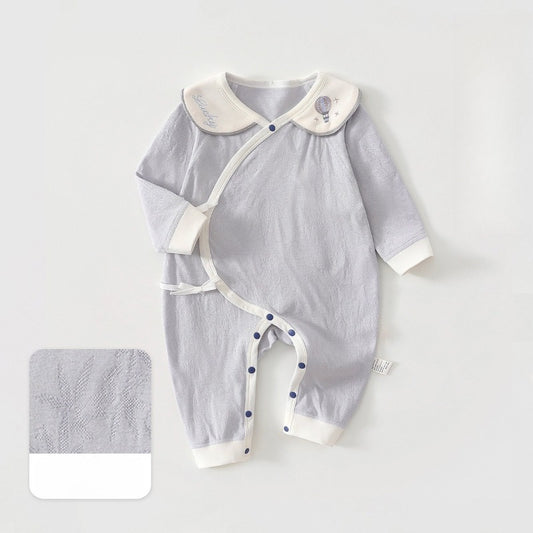
Relying on fear, shame, or outdated punishment tactics can be compared to using cheap, synthetic materials on a baby's delicate skin—it causes irritation and long-term damage. When we use harsh words, we agitate the child's nervous system, making it harder for them to actually learn the lesson we are trying to teach. Just as organic cotton provides a breathable, safe environment for growth, gentle communication creates a secure base where a child feels safe enough to understand their mistakes and try again. Without this connection, the bond begins to fray, leading to more power struggles and less cooperation.
The Gentle Solution: Choosing Connection Over Control
The shift to gentle discipline is about trading control for connection. By using specific, mindful scripts, you can maintain your boundaries while keeping your child's dignity intact. This approach is like choosing premium organic fabrics for your home; it is an investment in quality and long-term well-being. Here is what you can say instead of common reactive phrases:
- Instead of 'Stop crying right now,' try 'I see you are having a really hard time. I am right here with you.'
- Instead of 'Go to your room,' try 'It looks like we both need a little space to calm down. Let's sit together on the couch for a minute.'
- Instead of 'Because I said so,' try 'It is my job to keep you safe, and right now that means we cannot do that.'
- Instead of 'You are being bad,' try 'I love you, but I cannot let you hit. We use gentle hands.'
Final Thoughts
Transitioning to gentle discipline does not happen overnight. It is a practice of patience and self-regulation. By choosing your words carefully, you are not just managing behavior; you are building a foundation of trust that will last a lifetime. Remember, the goal is to be your child's guide, not their critic.
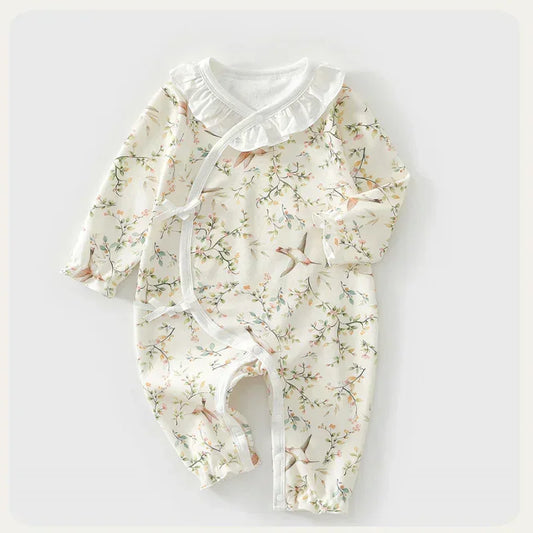


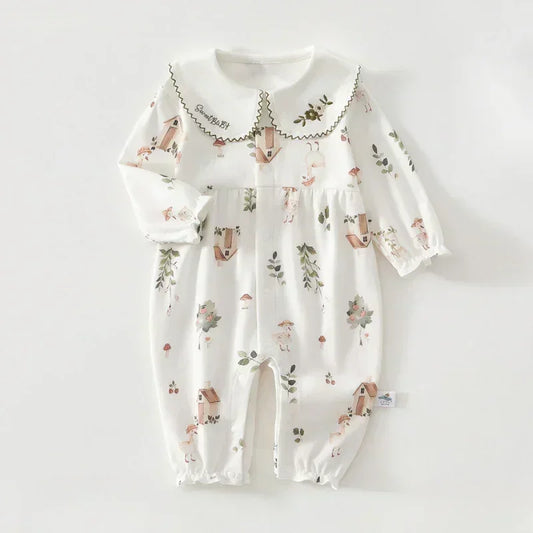
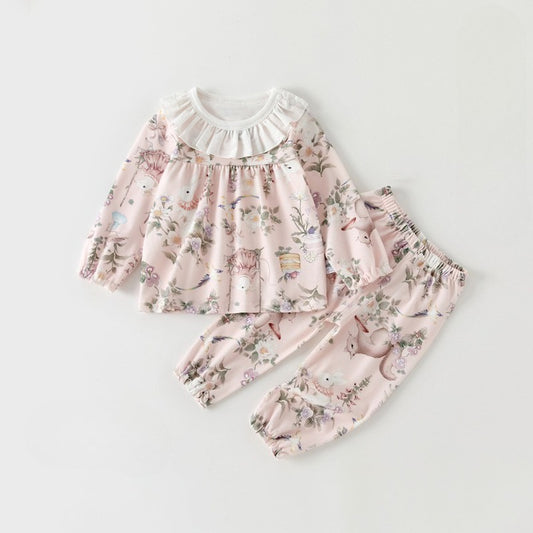
![[2-Pieces Set] 100% Cotton Long-Sleeve Kimono Romper - Blue & Blue Stripe](http://www.organiccottonclubs.com/cdn/shop/files/2_afd198b870f106588ecfc526d714b7a8.jpg?v=1764440625&width=533)


![[2-Pieces Set] 100% Cotton Long Sleeve Side-Snap Bodysuit - Pink & Pink Stripe](http://www.organiccottonclubs.com/cdn/shop/files/2_e34e329d03103a1ef2a830ed0f72d8f4.jpg?v=1759165907&width=533)
![[2-Pieces Set] 100% Cotton Long Sleeve Snapup Romper - Green & Green Stripe](http://www.organiccottonclubs.com/cdn/shop/files/4_dcde8d24f74c34bd214567f4011b27d7.jpg?v=1759166636&width=533)