

Hand-Me-Downs: Why high-quality organic cotton has better resale value.
Share
The Hidden Cost of Disposable Baby Fashion
Becoming a parent brings immense joy, but it also introduces a surprising amount of financial stress and household clutter. One of the most significant recurring expenses is clothing. Most parents find themselves stuck in a frustrating cycle: purchasing affordable, mass-produced outfits only to see them pill, shrink, or lose their shape after just a few cycles in the washing machine. This is the agitation of the 'disposable fashion' trap. You spend your hard-earned money on items that barely last through one child's growth spurt, leaving you with nothing but textile waste and a thinner wallet. It feels like throwing money directly into the trash with every laundry load.
The Frustration of Fading and Fraying
Why do these cheap materials fail us so quickly? Conventional cotton is often treated with harsh chemical softeners and harvested using methods that weaken the natural fibers. When these garments hit the heat of a standard dryer, the integrity of the fabric collapses. Colors that looked vibrant in the store become dingy and gray. Seams begin to twist, and the soft texture transforms into a rough, irritating surface that can aggravate a baby's sensitive skin. By the time your little one is ready to size up, these clothes are unfit to be passed down to a sibling, let alone sold to another family. You are left with a pile of rags instead of an asset.
The Organic Advantage: Investing in Quality That Endures
The solution to this cycle is a shift in mindset: stop viewing baby clothes as disposable goods and start seeing high-quality organic cotton as a long-term investment. High-quality organic cotton, particularly GOTS (Global Organic Textile Standard) certified varieties, is grown without synthetic pesticides and processed without the toxic bleaches or heavy metal dyes found in fast fashion. This meticulous process preserves the natural strength and length of the cotton fiber. Organic cotton is not just safer and softer for your baby; it is fundamentally more durable. It is designed to be washed hundreds of times while retaining its structural integrity and plush feel. This durability is the cornerstone of the hand-me-down economy.
Why Organic Cotton Dominates the Resale Market
When you invest in premium organic pieces, you are participating in a circular economy where your initial layout is partially recouped later. Here is why organic cotton holds such high resale value:
- Superior Fiber Integrity: Because organic fibers have not been chemically stripped or weakened, they maintain their 'bounce' and softness over several years of use. A three-year-old organic romper often looks better than a three-month-old conventional one.
- High Brand Recognition: Premium organic brands have established a reputation for excellence. Parents who cannot afford to buy these items brand new will actively search for them on the secondary market because they trust the longevity of the label.
- Timeless and Gender-Neutral Aesthetics: Most high-end organic brands avoid fleeting trends in favor of classic, minimalist designs. This makes the clothes easier to pass down between siblings or sell to a wider audience regardless of gender.
- The Sustainability Movement: Today's parents are more eco-conscious than ever. There is a massive, growing demand for pre-loved sustainable items on platforms like Poshmark, Mercari, and specialized 'buy/sell/trade' Facebook groups.
Maximizing Your Return on Investment
To ensure your organic pieces fetch the highest possible price when your child has outgrown them, follow a simple care routine. Always wash in cold water with eco-friendly, gentle detergents and avoid using bleach or fabric softeners which can actually coat and weaken the fibers. Tumble dry on a low setting or, even better, line dry in the shade to preserve the color. Keep the original tags if possible, and document the care you have taken. When it comes time to clear out the nursery closet, you will find that your 'expensive' organic purchases actually cost you significantly less 'per wear' than the budget alternatives once you factor in the final resale profit. You aren't just buying a onesie; you are buying a piece of clothing that will serve multiple families and keep money in your pocket.
Final Thoughts
Choosing high-quality organic cotton is a win-win-win. It is a win for your baby's comfort and health, a win for the planet by reducing textile waste, and a win for your family budget. By investing in pieces that are built to last, you break the cycle of waste and create a high-value wardrobe that retains its worth long after your little one has moved on to bigger sizes. In the world of parenting, high resale value is the ultimate proof that quality always pays for itself in the end.
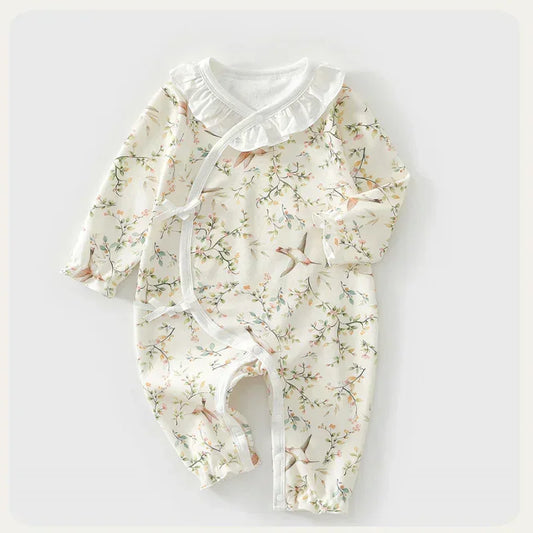
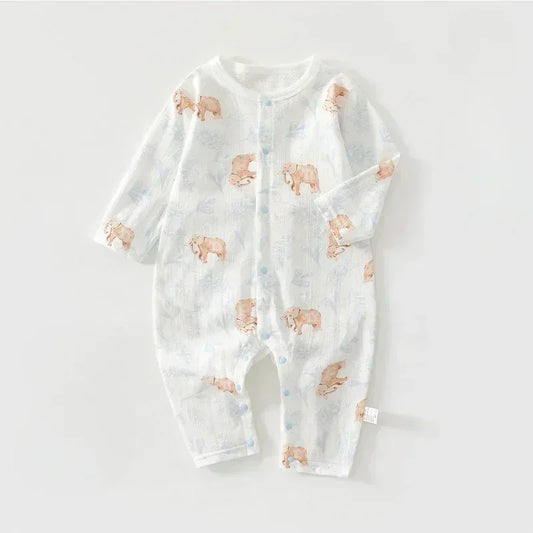
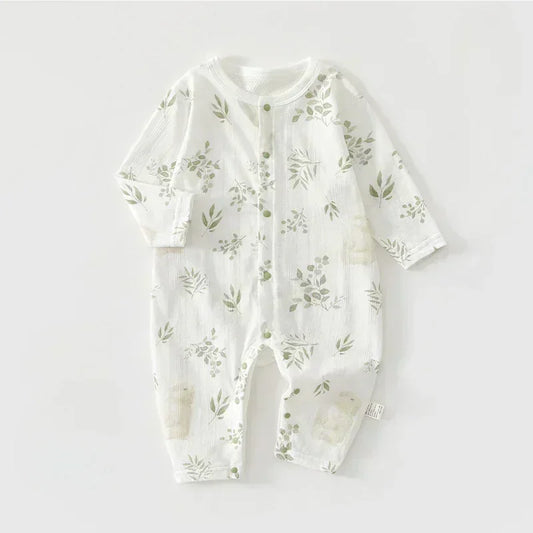
![[2-Pieces Set] 100% Cotton Long-Sleeve Kimono Romper - Blue & Blue Stripe](http://www.organiccottonclubs.com/cdn/shop/files/2_afd198b870f106588ecfc526d714b7a8.jpg?v=1764440625&width=533)

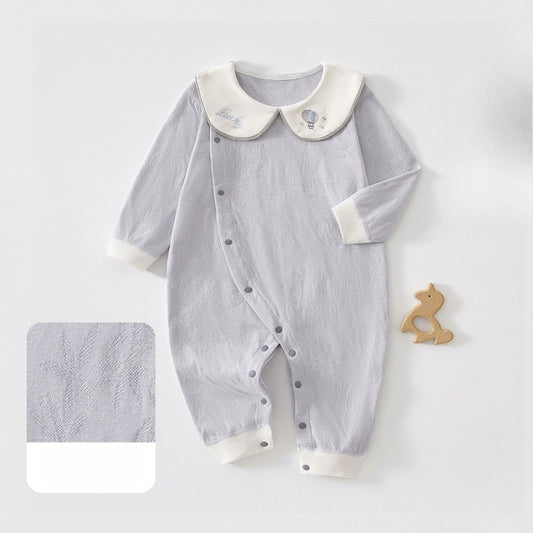

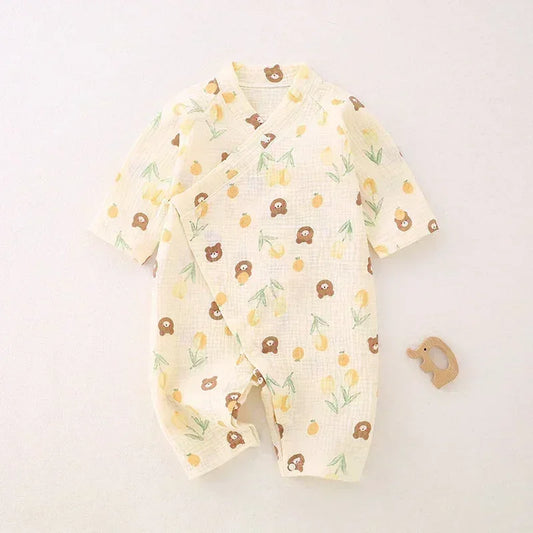
![[2-Pieces Set] 100% Cotton Long Sleeve Side-Snap Bodysuit - Pink & Pink Stripe](http://www.organiccottonclubs.com/cdn/shop/files/2_e34e329d03103a1ef2a830ed0f72d8f4.jpg?v=1759165907&width=533)
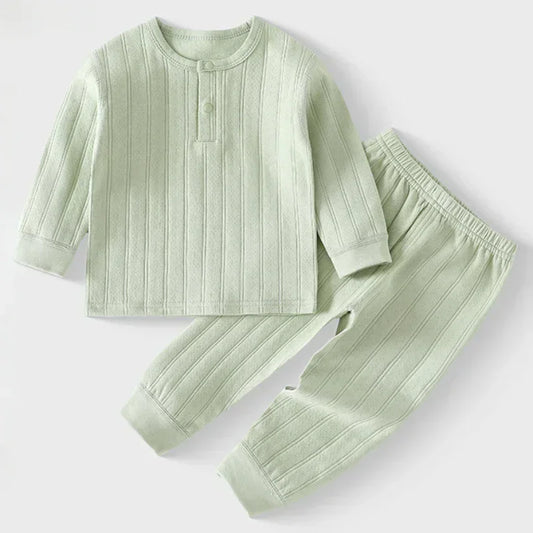
![[2-Pieces Set] 100% Cotton Long Sleeve Snapup Romper - Green & Green Stripe](http://www.organiccottonclubs.com/cdn/shop/files/4_dcde8d24f74c34bd214567f4011b27d7.jpg?v=1759166636&width=533)