


Healthy Alternatives to Screen Time
Share
The Digital Dilemma: Finding Balance in a Screen-Filled World
In the modern home, the hum of technology is ever-present. From smartphones to tablets, digital screens have become the default pacifier for the 21st-century parent. We have all been there—reaching for a device just to get five minutes of peace to finish a cup of coffee or attend a zoom call. However, the nagging guilt of screen time is a heavy burden for many. We worry about the impact on attention spans, eye health, and the loss of imaginative play. But the problem isn't just the pixels on the screen; it is the physical vacuum that screens create. When a child is staring at a flat surface, they are missing out on the vital, multi-sensory experiences that build neural pathways. The struggle to find healthy alternatives is real, especially when life feels overwhelming and convenience is king.
The Agitation: The Hidden Dangers of Low-Quality Screen-Free Toys
As we try to pivot away from the digital glow, many parents unknowingly walk into another trap: the world of cheap, mass-produced plastic toys. While these are marketed as educational or 'safe' alternatives to screen time, they often come with a hidden cost. Cheap synthetic materials, polyester blends, and low-grade plastics are often treated with fire retardants, phthalates, and harsh chemical dyes to achieve bright, distracting colors. These materials can irritate a baby's delicate skin, and because infants explore the world through their mouths, they are often ingesting microplastics or chemical residues. Furthermore, these materials offer a poor tactile experience. Synthetic fibers lack the breathability and organic variance of natural materials, leading to an environment that feels 'dead' and over-stimulating in all the wrong ways. A child surrounded by cheap materials is not truly engaged; they are simply being occupied by something less vibrant than a screen but potentially more toxic.
The Organic Solution: Why Material Choice is the Ultimate Screen-Free Hack
The most effective way to replace screen time is to offer an environment that is so sensory-rich and inviting that the tablet loses its luster. This is where the power of organic cotton and high-quality natural materials comes into play. Organic cotton is not just a trend; it is a fundamental shift in how we approach childhood development. By choosing toys, blankets, and playmats made from certified organic cotton, you are providing your child with a safe, breathable, and incredibly soft landscape for exploration. Natural fibers allow for better temperature regulation and a superior 'hand-feel' that encourages fine motor skill development through grasping and tactile feedback. When a child touches organic cotton, they are experiencing a complex, natural texture that stimulates the brain without overwhelming it. This 'slow play' philosophy focuses on quality over quantity, encouraging deep focus and long-term engagement—the exact opposite of the rapid-fire stimulation provided by digital media.
The Science of Sensory Play: Why Touch Trumps Pixels
Neural development in early childhood is heavily dependent on sensory input. When a child engages with a screen, they are primarily using their visual and auditory systems in a passive, two-dimensional way. In contrast, physical play—especially with varied textures like organic cotton—engages the somatosensory system. This system is responsible for processing touch, pressure, and temperature. When a baby grasps an organic cotton teether or rolls on a quilted organic mat, their brain is receiving a constant stream of data about the physical world. This data is essential for developing fine and gross motor skills, spatial awareness, and even emotional regulation. Soft, natural fibers provide a sense of security and comfort, which lowers cortisol levels and creates an optimal state for learning. By swapping twenty minutes of video for twenty minutes of tactile exploration, you are helping wire your child's brain for better focus and emotional resilience.
Actionable Strategies for a Screen-Free Home
- Create a Sensory Nook: Designate a corner of your home with a high-quality organic cotton rug and a basket of soft, textured items. This becomes a safe harbor for independent play.
- The Power of Storytelling: Replace videos with physical books and use organic puppets or soft toys to act out the scenes. This builds language skills far more effectively than a screen.
- Texture Matching Games: Use different weaves of organic cotton—from waffle knit to smooth sateen—to create a 'touch and feel' game that sharpens sensory discrimination.
- Safe Tummy Time: Use an organic cotton padded mat to ensure that your baby's skin-to-surface contact is free from pesticides and synthetic irritants.
- Natural Lighting: Maximize natural light in the playroom to help regulate circadian rhythms, which are often disrupted by the blue light of electronic devices.
Long-Term Benefits: Investing in Future Wellness
When we choose organic cotton as a screen-time alternative, we are also making a commitment to the planet that our children will inherit. The production of organic cotton uses significantly less water and produces fewer greenhouse gases than conventional cotton or synthetic fabrics. This teaches our children a silent but powerful lesson about stewardship and quality. Moreover, the durability of high-quality organic items means they can be passed down or repurposed, reducing the cycle of waste that comes with 'disposable' plastic toys. By investing in these pieces today, you are creating a heritage of health and sustainability.
Final Thoughts
Reducing screen time is a journey, not a destination. By introducing high-quality, organic alternatives, you're not just taking away a tablet—you're giving your child a safer, softer, and more meaningful way to interact with their world. Choose materials that respect your child's health and their need for authentic sensory experiences. In the end, the best 'app' for your child's development is a safe, soft, and organic environment where their imagination can run wild.
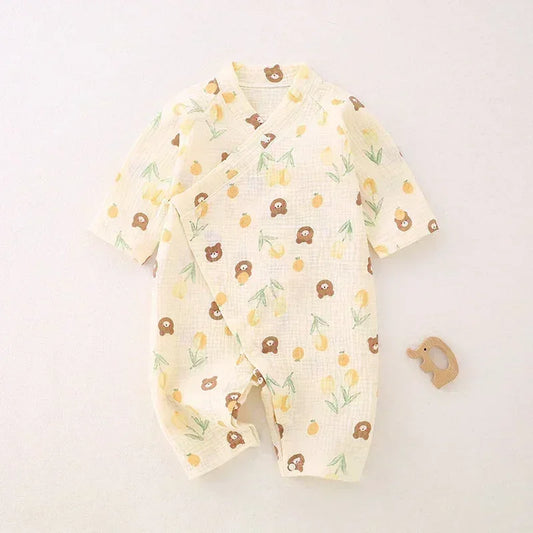
![[2-Pieces Set] 100% Cotton Long-Sleeve Kimono Romper - Blue & Blue Stripe](http://www.organiccottonclubs.com/cdn/shop/files/2_afd198b870f106588ecfc526d714b7a8.jpg?v=1764440625&width=533)


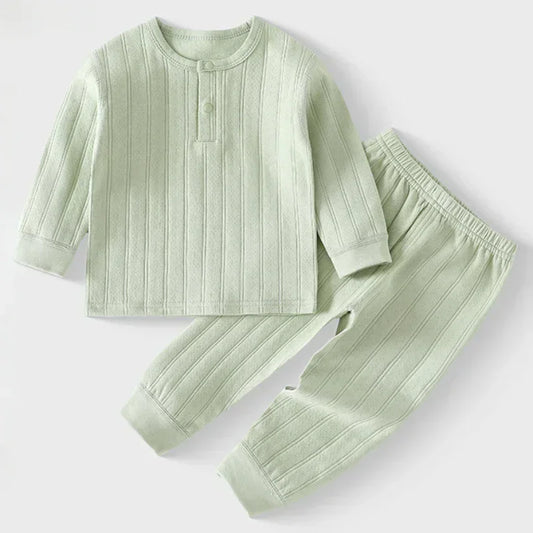
![[2-Pieces Set] 100% Cotton Long Sleeve Side-Snap Bodysuit - Pink & Pink Stripe](http://www.organiccottonclubs.com/cdn/shop/files/2_e34e329d03103a1ef2a830ed0f72d8f4.jpg?v=1759165907&width=533)
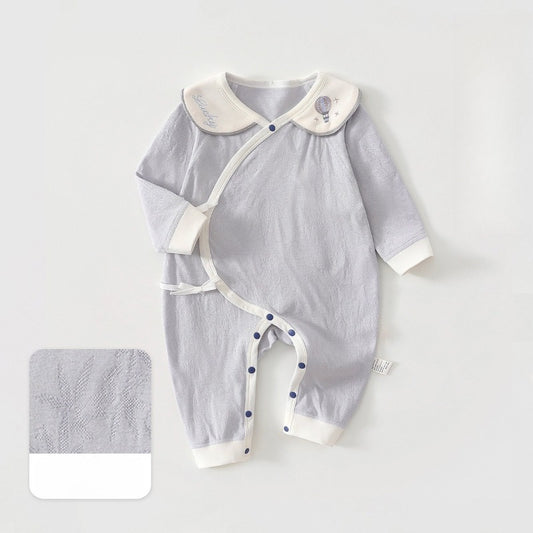
![[2-Pieces Set] 100% Cotton Long Sleeve Snapup Romper - Green & Green Stripe](http://www.organiccottonclubs.com/cdn/shop/files/4_dcde8d24f74c34bd214567f4011b27d7.jpg?v=1759166636&width=533)