


High-Contrast Patterns for Newborn Vision
Share
The Invisible World of Your Newborn: Why Visual Stimulation Matters
In those first few weeks of life, your babys world is a beautiful, blurry mystery. As a new parent, you want to do everything right, but the sheer volume of advice can feel overwhelming. You see your little one staring blankly into the distance, and you wonder: is their brain getting the stimulation it needs to grow? It is a common struggle to feel like you are not doing enough for their development during those quiet early days.
The Problem: Navigating the Blur
At birth, a babys vision is the least developed sense. They can only see about 8 to 12 inches away—exactly the distance to your face while feeding. Everything else is a haze of grays and shadows. Many parents try to decorate nurseries with soft pastels, thinking they are soothing and sweet. However, for a newborn, those pale pinks and light blues simply disappear into the background. Without clear visual boundaries, their eyes struggle to focus, and their brain misses out on critical early development cues that spark cognitive growth. A nursery filled with pastels is essentially a room filled with static for a brand new infant.
The Agitation: The Hidden Cost of Cheap Alternatives
In a rush to provide stimulation, it is easy to grab the first high-contrast toy or blanket you see on a big-box shelf. But here is the catch: many of these mass-produced items are made from synthetic fibers treated with harsh chemical dyes and fire retardants. Your baby is not just looking at these patterns; they are breathing near them, touching them with their sensitive skin, and eventually chewing on them. Cheap polyester fabrics do not breathe, leading to overheating and skin irritation. Is the visual benefit worth the risk of exposing your infants developing system to toxins? Choosing the wrong materials can turn a developmental tool into a health hazard, causing rashes and discomfort that disrupt the very learning process you are trying to encourage.
The Solution: Why Organic High-Contrast Patterns are the Gold Standard
The solution lies at the intersection of developmental science and pure materials. High-contrast patterns—specifically black and white—provide the strongest visual signal to a babys brain. These bold shapes tell the brain to pay attention and help the eyes learn how to track movement. When these patterns are printed on GOTS-certified organic cotton using non-toxic, water-based inks, you create a safe haven for growth. Organic cotton is not just a luxury; it is a necessity for newborns. Unlike conventional cotton, which is often treated with formaldehyde to prevent wrinkling, organic cotton maintains its natural softness and breathability. This means your baby can stay comfortable during tummy time, allowing them to focus longer on the patterns in front of them rather than the discomfort of itchy fabric. Furthermore, the durability of organic fibers ensures that those sharp black-and-white lines stay crisp through dozens of washes, maintaining the visual benefit for months to come.
- Enhanced Visual Tracking: Bold stripes and geometric shapes help babies strengthen their eye muscles and improve focus.
- Rapid Neural Connections: High-contrast images send stronger signals to the visual cortex, fostering faster brain development and cognitive processing.
- Purity and Peace of Mind: GOTS-certified organic cotton is free from pesticides and heavy metals, ensuring that your babys sensory exploration is 100% safe.
- Soothing Engagement: While it sounds counterintuitive, clear patterns can actually calm a baby by giving them something specific to focus on.
How to Integrate High-Contrast Patterns into Your Routine
Start small. Place a high-contrast art card near the changing table or use a patterned swaddle during supervised awake time. As your baby grows, introduce complex patterns through soft books and play gyms. The goal is not to overstimulate, but to provide clear points of focus in an otherwise blurry world. Try to find items that combine these educational patterns with the softest organic textures. This multi-sensory approach—combining visual clarity with tactile comfort—creates the ideal environment for a thriving infant.
Final Thoughts
Your babys visual journey is just beginning. By prioritizing high-contrast designs and the safety of organic materials, you are giving them the best possible start. It is about more than just decor; it is about supporting their natural curiosity with the highest quality tools available. Choose organic, choose contrast, and watch your babys world come into focus.
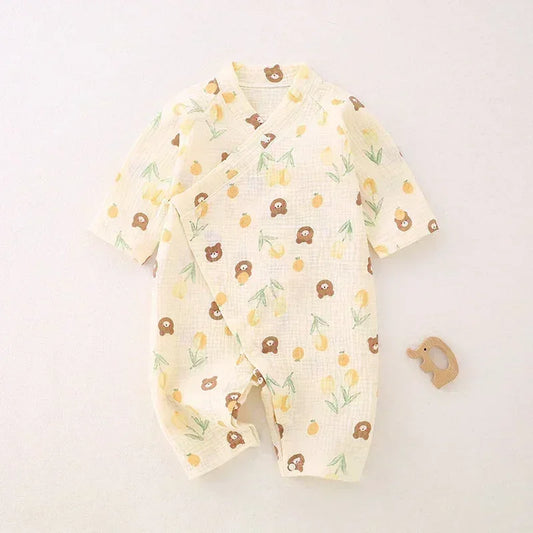
![[2-Pieces Set] 100% Cotton Long-Sleeve Kimono Romper - Blue & Blue Stripe](http://www.organiccottonclubs.com/cdn/shop/files/2_afd198b870f106588ecfc526d714b7a8.jpg?v=1764440625&width=533)


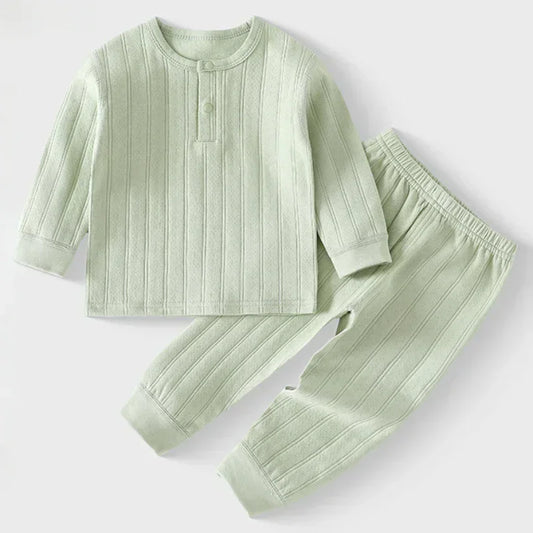
![[2-Pieces Set] 100% Cotton Long Sleeve Side-Snap Bodysuit - Pink & Pink Stripe](http://www.organiccottonclubs.com/cdn/shop/files/2_e34e329d03103a1ef2a830ed0f72d8f4.jpg?v=1759165907&width=533)
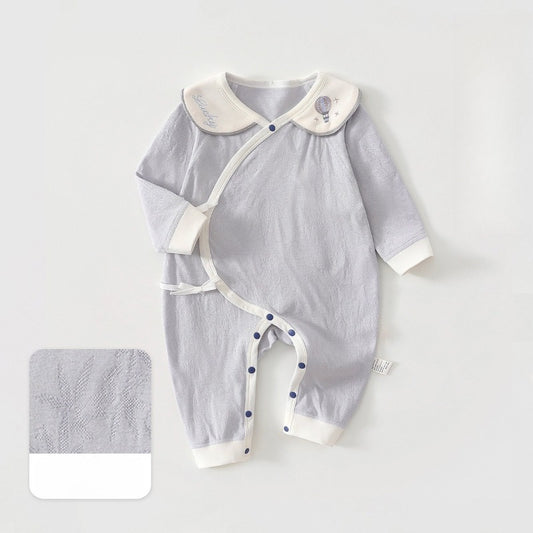
![[2-Pieces Set] 100% Cotton Long Sleeve Snapup Romper - Green & Green Stripe](http://www.organiccottonclubs.com/cdn/shop/files/4_dcde8d24f74c34bd214567f4011b27d7.jpg?v=1759166636&width=533)