

Honest Review: Organic vs. Conventional Baby Products
Share
The Great Parenting Dilemma: Are Organic Baby Products Really Worth It?
As a new parent, you are constantly bombarded with choices. From the type of stroller that fits your lifestyle to the safest car seat, the decisions are endless. However, one of the most debated topics in the nursery is the choice between organic and conventional baby products. You want the best for your little one, but with the rising costs of living, you find yourself asking: Is the organic label just a marketing gimmick, or is it a necessity for my babys health?
The Hidden Cost of Conventional Products
It is tempting to grab the most affordable onesies and blankets from the big-box store. But what many parents do not realize is that conventional cotton is one of the most chemically treated crops in the world. These fabrics are often processed with harsh synthetic dyes, formaldehyde, and heavy metals to keep them wrinkle-free and bright. For a newborn with skin that is 30 percent thinner than an adults, these chemicals can lead to contact dermatitis, unexplained rashes, and respiratory irritation. When you choose the cheaper option, you might unintentionally be exposing your baby to toxins that their developing system is not ready to handle.
Why Organic Cotton is a Game Changer
This is where the transition to organic makes a world of difference. Organic baby products are made from materials grown without synthetic pesticides or GMOs. The benefits go far beyond just being 'eco-friendly':
- Hypoallergenic Properties: Because there are no chemical residues, organic fabrics are much gentler on sensitive skin and eczema-prone babies.
- Breathability and Comfort: Organic cotton fibers are longer and softer, allowing for better airflow and temperature regulation during sleep.
- Durability: Without the chemical weakening of the fibers, organic garments actually last longer through hundreds of washes, making them better for hand-me-downs.
- Environmental Impact: Choosing organic supports sustainable farming practices that protect our soil and water for your childs future.
Our Honest Review: The Comparison
In our tests, we compared standard polyester-blend sleepsuits against GOTS-certified organic cotton sleepers. The conventional sleepers often felt 'stiff' after three washes and caused slight redness around the neck area. In contrast, the organic options remained buttery soft and provided a much more restful environment for the baby. While the upfront cost of organic gear is higher, the longevity and peace of mind it provides are unparalleled.
Final Thoughts: Making the Switch
You do not have to swap everything at once. Start with the items that touch your babys skin the most: crib sheets, onesies, and bath towels. Transitioning to a few high-quality organic essentials is a better investment than a wardrobe full of conventional items that may cause irritation. Investing in organic is not just about a label; it is about providing the purest start possible for your little one. Your babys health and comfort are the ultimate priority, and in the long run, the benefits of organic far outweigh the initial price tag.
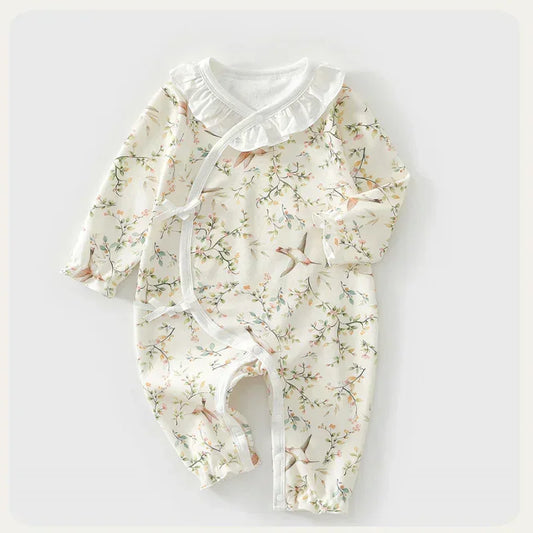
![[2-Pieces Set] 100% Cotton Long-Sleeve Kimono Romper - Blue & Blue Stripe](http://www.organiccottonclubs.com/cdn/shop/files/2_afd198b870f106588ecfc526d714b7a8.jpg?v=1764440625&width=533)

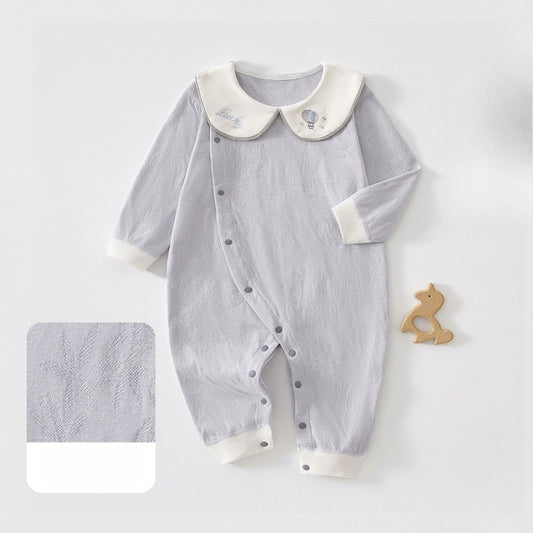

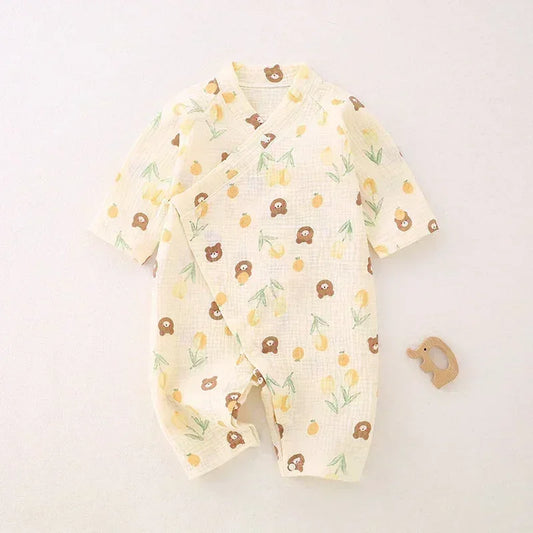
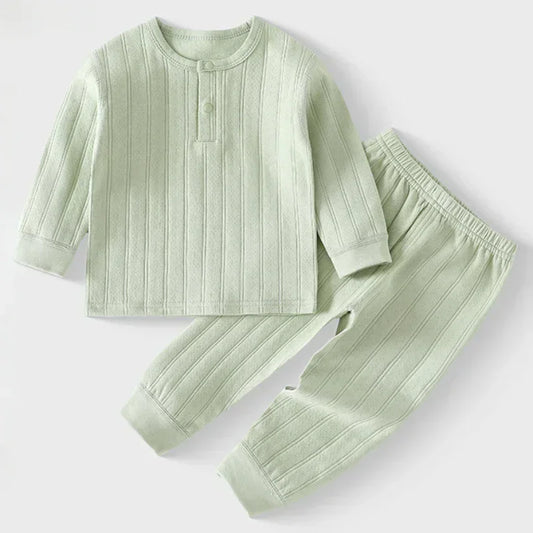
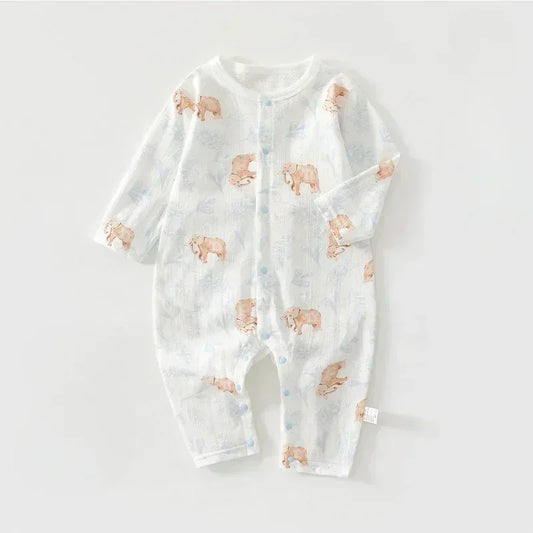
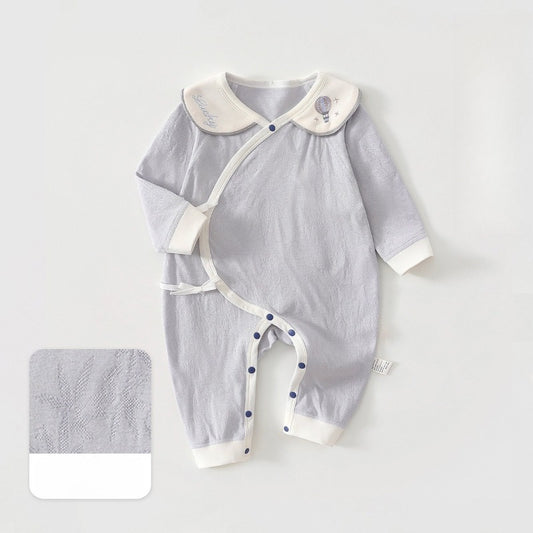
![[2-Pieces Set] 100% Cotton Long Sleeve Side-Snap Bodysuit - Pink & Pink Stripe](http://www.organiccottonclubs.com/cdn/shop/files/2_e34e329d03103a1ef2a830ed0f72d8f4.jpg?v=1759165907&width=533)
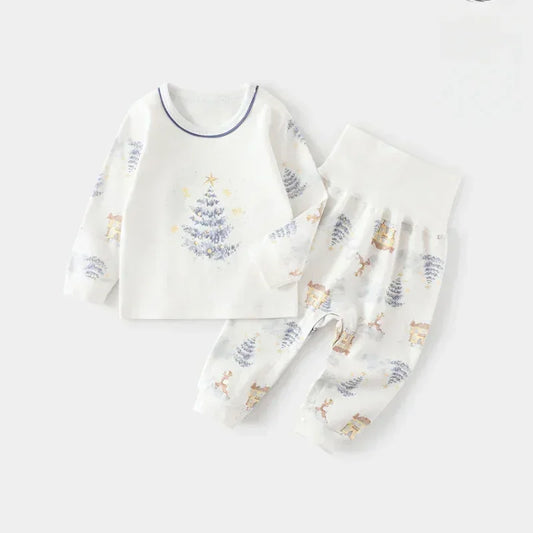
![[2-Pieces Set] 100% Cotton Long Sleeve Snapup Romper - Green & Green Stripe](http://www.organiccottonclubs.com/cdn/shop/files/4_dcde8d24f74c34bd214567f4011b27d7.jpg?v=1759166636&width=533)