


How Many Layers Does Baby Need? A Temperature Guide
Share
The 3 AM Temperature Guesswork: How Many Layers Does Baby Need?
It is the middle of the night and you are standing over the crib, wondering if your little one is too cold or overheating. Every parent knows this anxiety. Getting the layers right is about more than just comfort; it is about safety and a good night's sleep for everyone. When babies are too cold, they wake up frequently. When they are too hot, they face serious safety risks. Finding that perfect balance is the key to a restful nursery.
The Problem: The Overdressed Newborn
Many new parents tend to overdress their babies, fearing they will get a chill. However, babies cannot regulate their body temperature like adults do. Unlike us, they cannot simply kick off a blanket if they feel a sweat coming on. When a baby gets too hot, they become restless and fussy, leading to fragmented sleep and unnecessary stress for the whole family. Overheating is not just an inconvenience; it is a primary concern for safe sleep during the first year of life.
The Agitation: Why Cheap Materials Hurt
Choosing the wrong fabrics can turn a small temperature dip into a major problem. Many mass-market baby clothes are made from synthetic blends like polyester or treated with harsh chemicals to achieve a soft feel. These materials trap heat and moisture against the skin, which prevents the body's natural cooling process. This not only causes overheating but can lead to stubborn heat rashes and irritation on sensitive newborn skin. These cheap, non-breathable fabrics are often the hidden culprit behind a baby who simply will not settle down, creating a cycle of wakefulness and discomfort for both parent and child.
The Solution: The Organic Cotton Layering Guide
The secret to a comfortable baby is breathable, high-quality organic cotton. Unlike synthetics, organic cotton allows air to circulate, keeping your baby warm in the winter and cool in the summer by naturally wicking moisture away. A good rule of thumb is to dress your baby in one more layer than you are wearing comfortably in the same environment. For a room kept between 68 and 72 degrees Fahrenheit, a long-sleeved organic cotton onesie and a lightweight sleep sack are usually the perfect combination. Always check your baby's chest or the back of their neck to gauge their temperature; their hands and feet should naturally feel slightly cooler than their core.
- 60-64 degrees F (Cool): Start with a long-sleeved onesie, add a footed sleeper, and finish with a 2.5 TOG sleep sack.
- 65-67 degrees F (Chilly): Use a long-sleeved onesie and a 2.5 TOG sleep sack.
- 68-72 degrees F (Ideal): A long-sleeved onesie and a 1.0 TOG sleep sack provides the best balance.
- 73-75 degrees F (Mild): A short-sleeved onesie and a 0.5 TOG or 1.0 TOG sleep sack.
- Over 75 degrees F (Warm): A simple short-sleeved onesie or just a diaper and a 0.5 TOG lightweight muslin swaddle.
Final Thoughts
By focusing on natural materials and monitoring your baby's physical cues, you can stop the guesswork. Trust your instincts and choose organic cotton to ensure your baby stays cozy and safe all night long. A comfortable baby is a sleeping baby, and a sleeping baby means well-rested parents. Invest in quality layers today to ensure your nursery is a place of peace and safety.
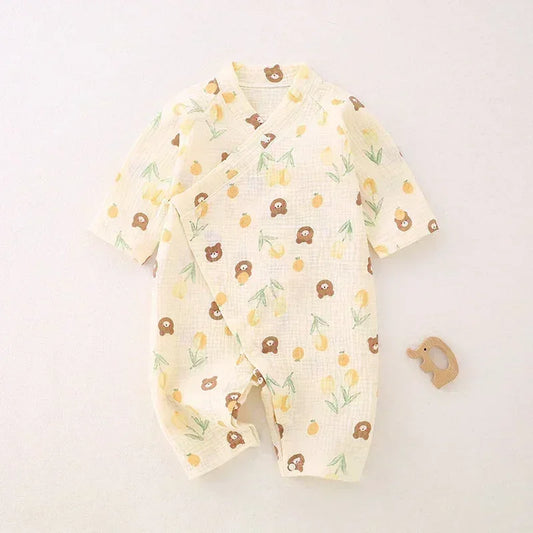
![[2-Pieces Set] 100% Cotton Long-Sleeve Kimono Romper - Blue & Blue Stripe](http://www.organiccottonclubs.com/cdn/shop/files/2_afd198b870f106588ecfc526d714b7a8.jpg?v=1764440625&width=533)


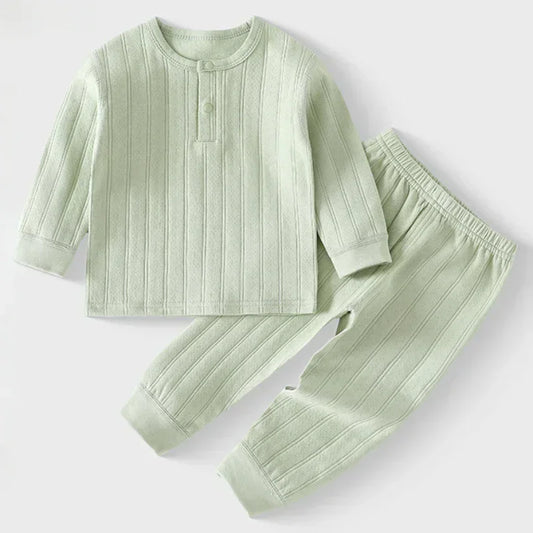
![[2-Pieces Set] 100% Cotton Long Sleeve Side-Snap Bodysuit - Pink & Pink Stripe](http://www.organiccottonclubs.com/cdn/shop/files/2_e34e329d03103a1ef2a830ed0f72d8f4.jpg?v=1759165907&width=533)
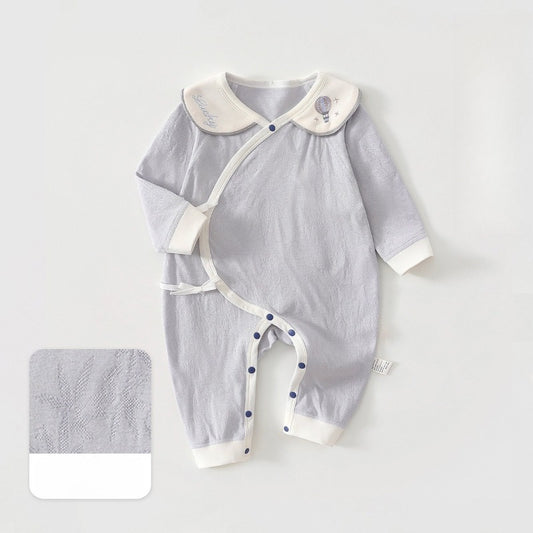
![[2-Pieces Set] 100% Cotton Long Sleeve Snapup Romper - Green & Green Stripe](http://www.organiccottonclubs.com/cdn/shop/files/4_dcde8d24f74c34bd214567f4011b27d7.jpg?v=1759166636&width=533)