

How to Choose a Non-Toxic Baby Mattress
Share
The Hidden Danger in Your Nursery: Why Your Baby's Mattress Matters
As a new parent, the weight of every decision feels immense. You have researched the safest strollers, the most ergonomic carriers, and the cleanest organic purees. But have you looked closely at where your baby spends up to 16 hours every single day? The crib mattress is the most used piece of furniture in your home, yet it is often the most overlooked source of environmental toxins. Many conventional mattresses are manufactured using petroleum-based foams and chemical flame retardants that can 'off-gas' volatile organic compounds (VOCs) directly into your infant's developing respiratory system. This invisible struggle is one no parent wants for their child, but the solution is simpler than you might think.
The Problem: What is Lurking in Traditional Mattresses?
Traditional crib mattresses are often built for cost-efficiency rather than long-term health. Most rely on polyurethane foam, a byproduct of the oil industry. While it is cheap and supportive, it is also highly flammable, requiring manufacturers to add chemical flame retardants like polybrominated diphenyl ethers (PBDEs) or boric acid. Furthermore, the waterproof covers are frequently made from polyvinyl chloride (PVC), which contains phthalates—known endocrine disruptors that can interfere with hormonal development. When your baby sleeps, their face is inches away from these materials, leading to an 'agitation' of their immune system that may manifest as allergies, skin irritation, or respiratory issues.
The Solution: The Power of Organic and Natural Materials
The transition to a non-toxic nursery begins with choosing materials that are grown, not manufactured in a lab. Organic cotton, natural wool, and GOLS-certified latex are the gold standard for safe sleep. Organic cotton provides a soft, breathable surface without the residue of pesticides. Pure wool acts as a natural flame retardant, moisture-wicking layer, and dust mite repellent, eliminating the need for toxic chemicals. Natural latex, derived from the sap of rubber trees, offers incredible support without the VOCs found in synthetic foams. By choosing these materials, you are not just buying a mattress; you are investing in a foundation of health and safety for your child's most formative years.
Key Materials to Avoid at All Costs
- Polyurethane Foam: This is the primary source of off-gassing in nurseries. If a mattress smells like 'new car,' it is likely emitting VOCs.
- PVC and Phthalates: Used in cheap waterproof coatings, these chemicals are linked to a host of health concerns and should be strictly avoided.
- Chemical Flame Retardants: Look for mattresses that use wool or hydrated silica as natural fire barriers instead.
- Synthetic Fragrances: Some brands use scents to mask chemical odors; a safe mattress should have no scent at all.
What to Look for: Certifications You Can Trust
Navigating the world of 'eco-friendly' marketing can be confusing. To ensure you are getting a truly non-toxic product, look for these three-party certifications: GOTS (Global Organic Textile Standard) for cotton and fabrics, GOLS (Global Organic Latex Standard) for natural rubber, and Greenguard Gold, which tests for over 10,000 chemicals and VOC emissions. Additionally, the MADE SAFE seal is one of the most rigorous screenings available, ensuring no known carcinogens or reproductive toxins are present in the final product.
Maintenance and Longevity
Once you have chosen the perfect non-toxic mattress, maintaining its integrity is key. Always use an organic waterproof pad to protect the core from mold and bacteria growth caused by leaks. Rotate the mattress every few months to ensure even wear, and keep the nursery well-ventilated to maintain optimal air quality. A high-quality organic mattress can last through multiple children, making it a sustainable choice for your growing family and the planet.
Final Thoughts
Choosing a non-toxic baby mattress is one of the most proactive steps you can take as a parent. It transforms the nursery from a place of potential chemical exposure into a true sanctuary of rest and growth. While the initial investment may be higher than a standard mattress, the peace of mind knowing your baby is breathing clean air is priceless. Sleep is when your baby does their most important work—ensure they have the safest possible place to do it.
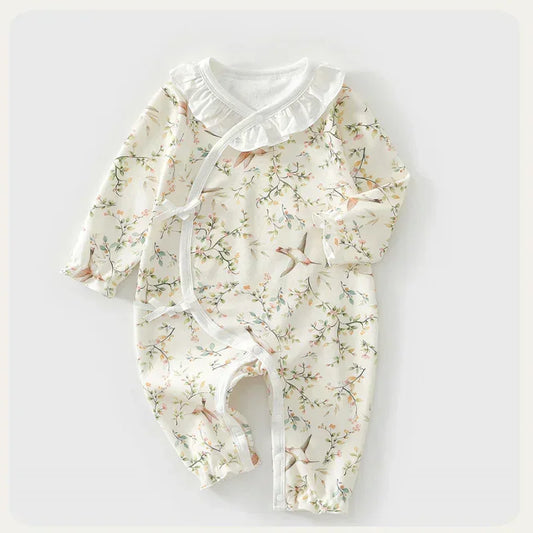
![[2-Pieces Set] 100% Cotton Long-Sleeve Kimono Romper - Blue & Blue Stripe](http://www.organiccottonclubs.com/cdn/shop/files/2_afd198b870f106588ecfc526d714b7a8.jpg?v=1764440625&width=533)

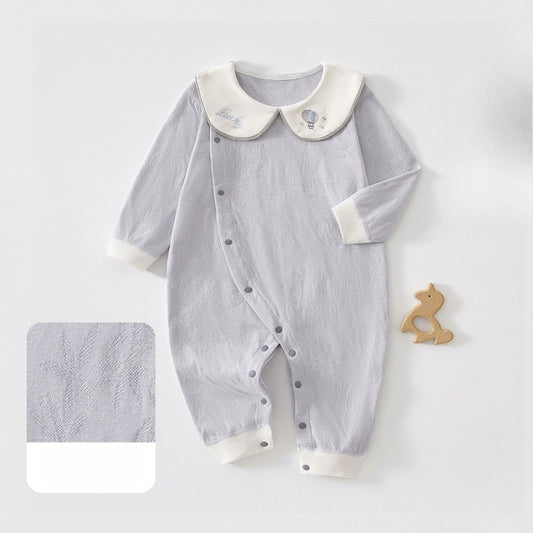

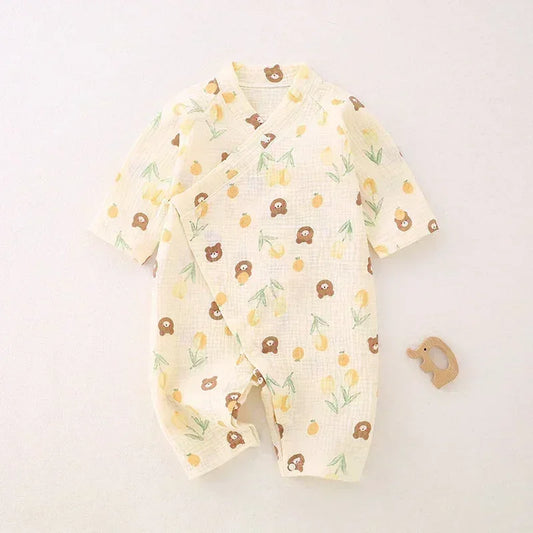
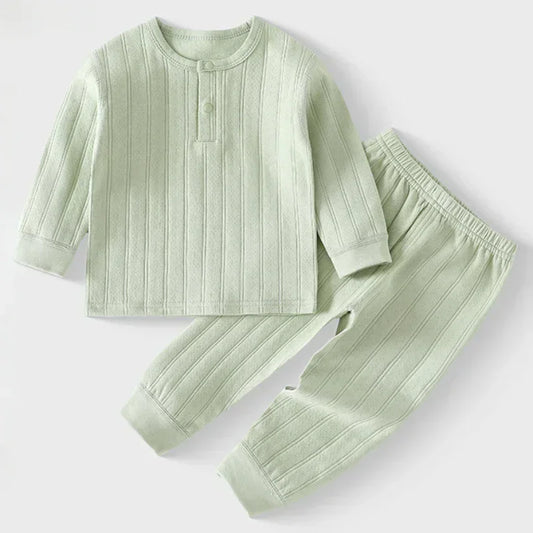
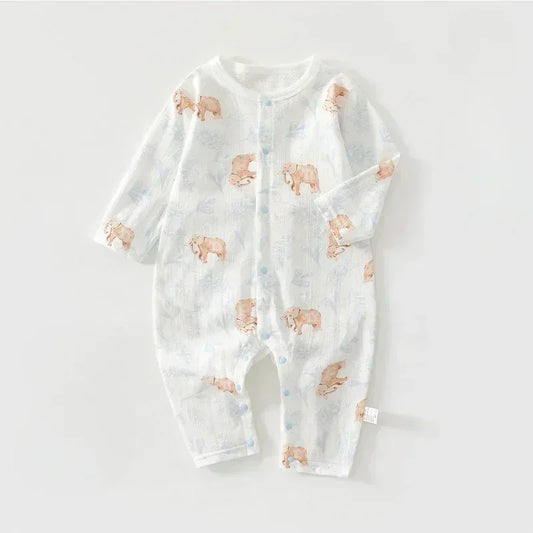
![[2-Pieces Set] 100% Cotton Long Sleeve Side-Snap Bodysuit - Pink & Pink Stripe](http://www.organiccottonclubs.com/cdn/shop/files/2_e34e329d03103a1ef2a830ed0f72d8f4.jpg?v=1759165907&width=533)
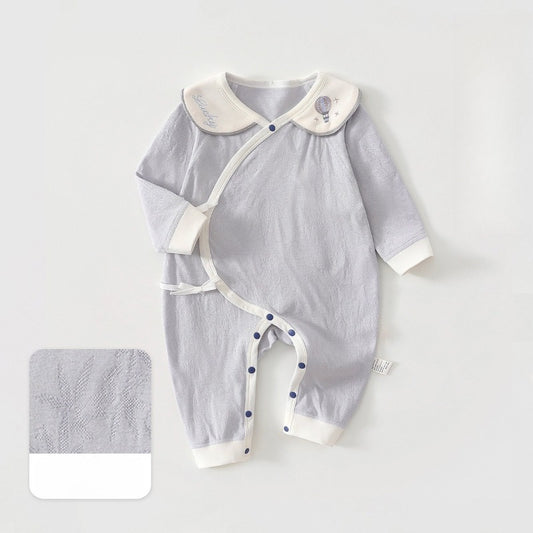
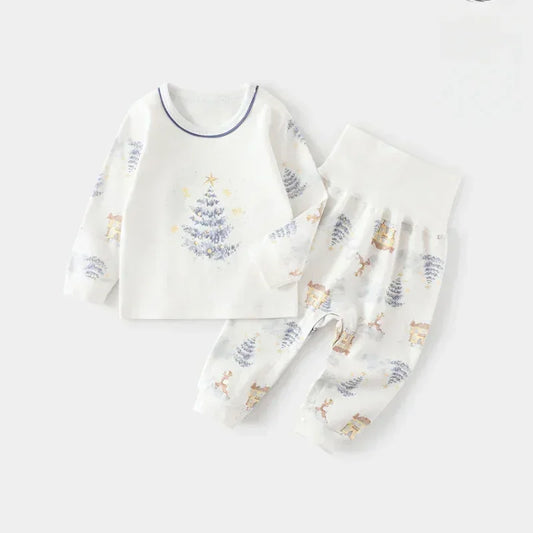
![[2-Pieces Set] 100% Cotton Long Sleeve Snapup Romper - Green & Green Stripe](http://www.organiccottonclubs.com/cdn/shop/files/4_dcde8d24f74c34bd214567f4011b27d7.jpg?v=1759166636&width=533)