


How to Dress Baby for Sleep by Temp
Share
The Sleep Struggle: Is Your Baby Too Hot or Too Cold?
As a new parent, few things are as stressful as wondering if your baby is safe and comfortable during the night. You check the nursery thermometer, touch their tiny chest, and worry about the risks of overheating versus the discomfort of a chill. This constant second-guessing is a common struggle, yet it is one of the most vital components of a safe sleep environment. If you find yourself waking up multiple times just to check the room temperature, you are not alone.
The Hidden Dangers of Cheap, Synthetic Fabrics
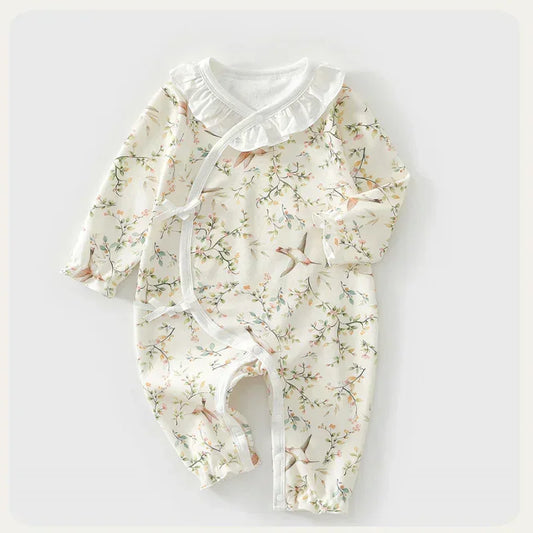
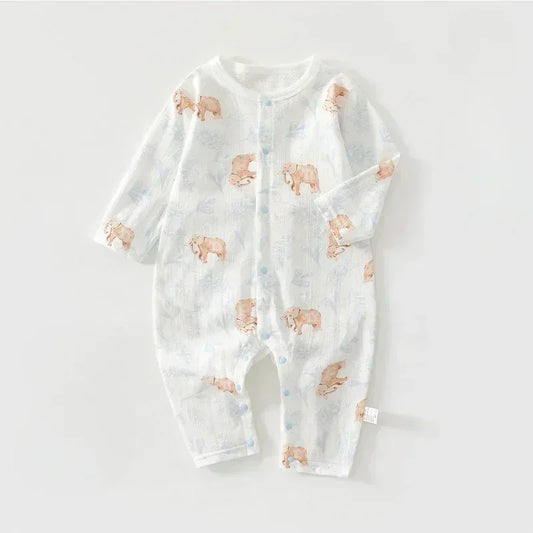
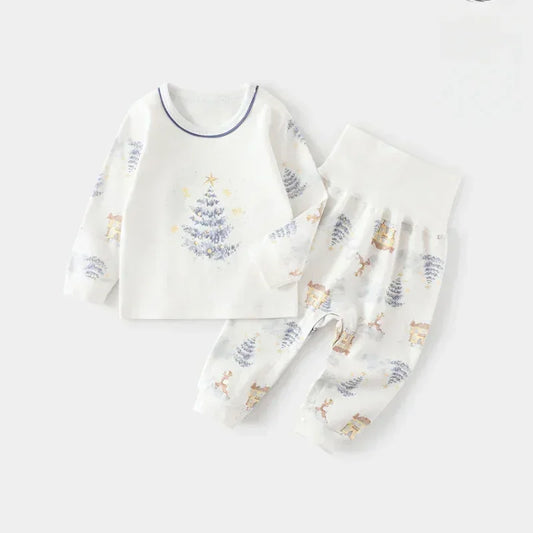
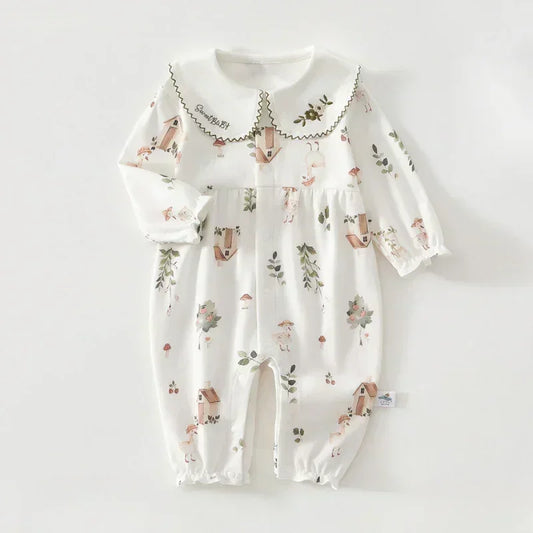
Many mass-produced baby sleepwear options are made from polyester or synthetic blends. While these might look cute on the shelf, they can be a nightmare for temperature regulation. Synthetic fibers trap heat and moisture against your baby's delicate skin, which can lead to overheating—a known risk factor for SIDS. Furthermore, these materials do not breathe, meaning if your baby sweats, they quickly become damp and then chilled when the temperature drops in the early morning hours. This cycle of being too hot and then too cold disrupts precious sleep cycles for both baby and parents.
The Natural Solution: Why Organic Cotton is Essential
The solution lies in choosing high-quality, organic materials that work with your baby's body, not against it. Organic cotton is the gold standard for infant sleepwear for several reasons:
- Breathability: Natural fibers allow air to circulate, helping to regulate body temperature naturally.
- Moisture Wicking: Unlike polyester, cotton absorbs moisture and keeps the skin dry.
- Chemical-Free: Organic cotton is grown without harmful pesticides, ensuring that no toxins touch your baby's porous skin.
- Durability: High-quality organic cotton stays soft and holds its shape through countless washes.
A Simple Guide to Dressing by Temperature
To keep things simple, follow these general guidelines for a safe nursery: For rooms 75 degrees and up, a lightweight 0.5 TOG sleep sack or just a short-sleeve bodysuit is enough. Between 68 and 72 degrees, a long-sleeve bodysuit and a 1.0 TOG sleep sack are ideal. If the room drops below 68 degrees, consider a 2.5 TOG sleep sack with a warm footie underneath. Always check your baby's chest or back of the neck to ensure they feel warm but not hot or sweaty.
Final Thoughts on Safe Sleep
Creating a safe sleep environment is about more than just the right crib; it is about the layers closest to your baby. By investing in organic cotton and understanding how to layer based on the room's temperature, you provide your little one with the comfort they need for a restful night. Trust your instincts, monitor the room temp, and choose natural fabrics for peace of mind.
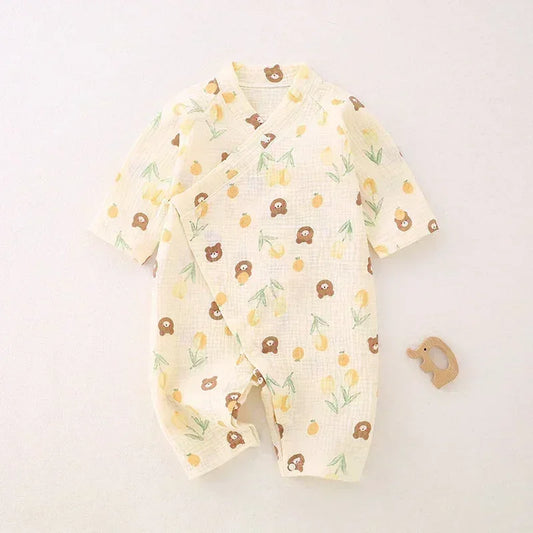
![[2-Pieces Set] 100% Cotton Long-Sleeve Kimono Romper - Blue & Blue Stripe](http://www.organiccottonclubs.com/cdn/shop/files/2_afd198b870f106588ecfc526d714b7a8.jpg?v=1764440625&width=533)


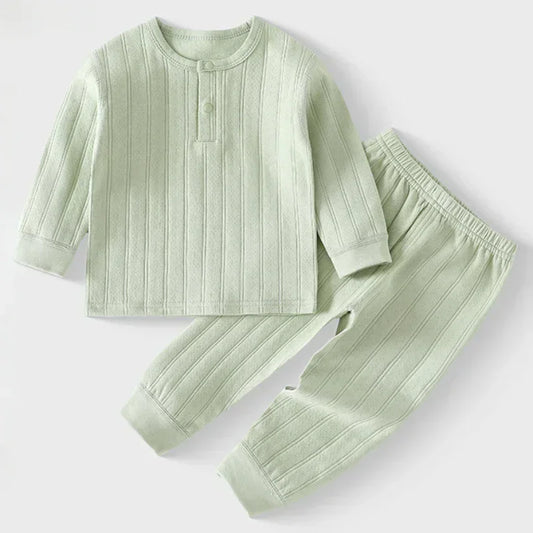
![[2-Pieces Set] 100% Cotton Long Sleeve Side-Snap Bodysuit - Pink & Pink Stripe](http://www.organiccottonclubs.com/cdn/shop/files/2_e34e329d03103a1ef2a830ed0f72d8f4.jpg?v=1759165907&width=533)
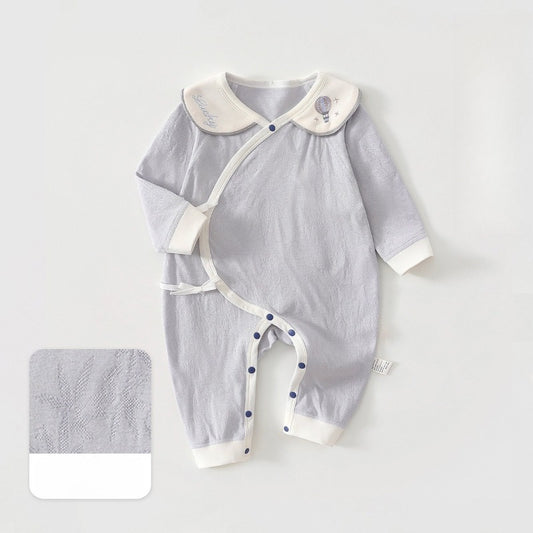
![[2-Pieces Set] 100% Cotton Long Sleeve Snapup Romper - Green & Green Stripe](http://www.organiccottonclubs.com/cdn/shop/files/4_dcde8d24f74c34bd214567f4011b27d7.jpg?v=1759166636&width=533)