


How to Identify Real Organic Cotton (Quick Cheat Sheet)
Share
How to Identify Real Organic Cotton: Your Ultimate Cheat Sheet
Every parent knows the feeling: you spend hours researching the safest products, only to find your little one breaking out in a mysterious rash. You check the tags, and they say 'cotton,' but something feels off. The truth is, the textile industry is filled with 'greenwashing,' and for a parent struggling to manage sensitive skin or eczema, the difference between real organic cotton and conventional chemically-treated fabric isn't just a label—it's a matter of comfort and health.
The Hidden Danger in Your Baby's Wardrobe
Conventional cotton is often dubbed the 'world's dirtiest crop.' It is treated with synthetic pesticides, herbicides, and heavy metal dyes that linger in the fibers long after they have been turned into onesies and blankets. When these chemicals come into contact with a baby's thin, porous skin, they can cause irritation, respiratory issues, and disrupt endocrine balance. Cheap 'organic' knock-offs often use inferior blends or harsh finishes that negate the very benefits you're paying for. You aren't just buying clothes; you're protecting your child's first line of defense.
The Solution: Why Certified Organic Cotton Matters
Real organic cotton is grown without toxic chemicals and processed under strict environmental and social standards. The benefits go beyond just softness:
- Hypoallergenic: No chemical residues mean zero irritation for sensitive skin.
- Breathability: Natural fibers allow for better temperature regulation.
- Durability: Without chemical weakening, organic fibers last 5x longer than conventional ones.
- Eco-Friendly: Saves thousands of gallons of water and keeps soil healthy.
The Quick Cheat Sheet: How to Spot the Real Deal
How do you know if that 'organic' romper is the real deal? Use this 5-point checklist next time you shop:
1. Look for the GOTS Seal
The Global Organic Textile Standard (GOTS) is the gold standard. A genuine product will have the GOTS logo and a specific license number on the tag. You can verify this number on the GOTS website to ensure the brand is actually certified.
2. The 'Touch & Feel' Test
Real organic cotton has a distinct feel. It is naturally softer and slightly heavier because the fibers haven't been broken down by bleach and chemicals. If it feels waxy or has a stiff, synthetic sheen, it’s likely treated with formaldehyde or silicone softeners.
3. The Smell Test
New clothes shouldn't smell like a chemical factory. Organic cotton has a neutral, slightly earthy scent. If you open a package and get a strong 'new car' or 'plastic' smell, that's 'off-gassing' from volatile organic compounds (VOCs).
4. Check the Price Point
While we all love a bargain, true organic cotton requires more labor and ethical wages. If a '100% Organic' set costs less than a cup of coffee, the manufacturer is likely cutting corners on certification or blending in polyester.
5. The Water Absorbency Test
Organic cotton is highly absorbent. If you drop a tiny bit of water on the fabric and it beads up or rolls off, it has likely been treated with a synthetic water-repellent or finish that isn't natural.
Final Thoughts
Identifying real organic cotton doesn't have to be a chore. By focusing on GOTS certification and trusting your senses—touch, smell, and sight—you can curate a wardrobe that is safe, sustainable, and soft enough for your baby's most precious moments. Investing in quality today means fewer skin irritations and a healthier planet for them to grow up in.
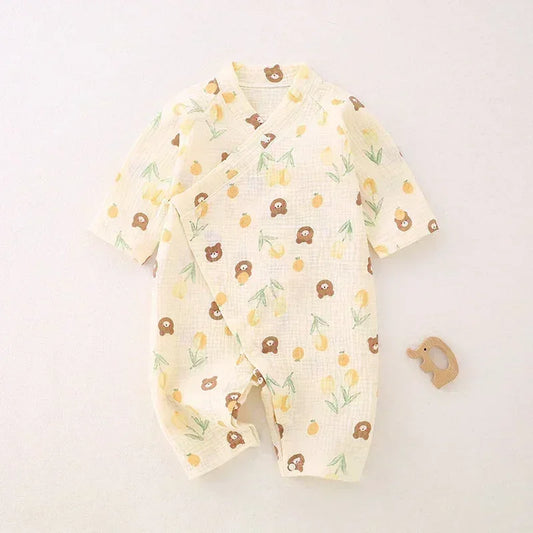
![[2-Pieces Set] 100% Cotton Long-Sleeve Kimono Romper - Blue & Blue Stripe](http://www.organiccottonclubs.com/cdn/shop/files/2_afd198b870f106588ecfc526d714b7a8.jpg?v=1764440625&width=533)


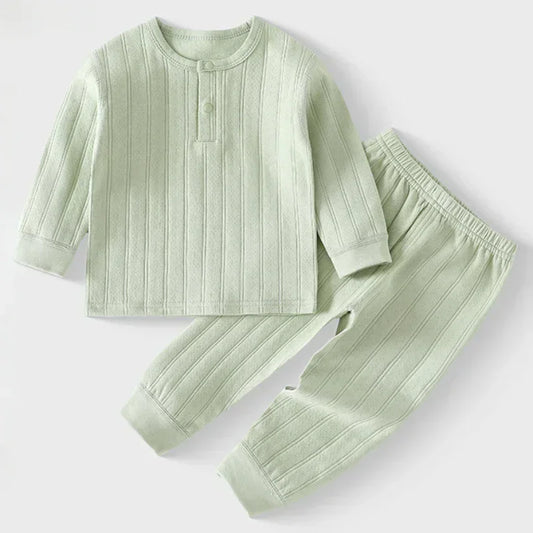
![[2-Pieces Set] 100% Cotton Long Sleeve Side-Snap Bodysuit - Pink & Pink Stripe](http://www.organiccottonclubs.com/cdn/shop/files/2_e34e329d03103a1ef2a830ed0f72d8f4.jpg?v=1759165907&width=533)
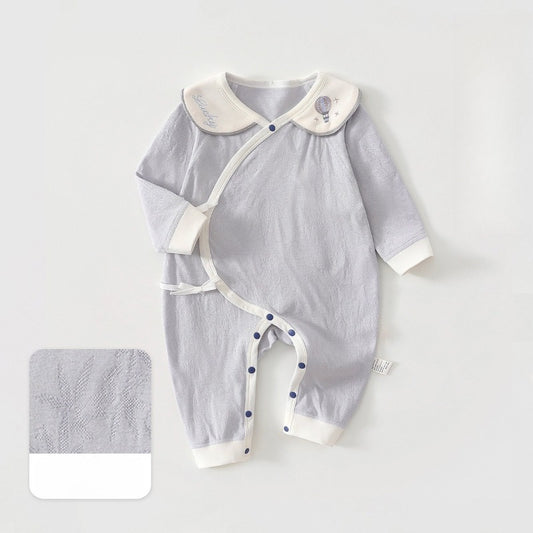
![[2-Pieces Set] 100% Cotton Long Sleeve Snapup Romper - Green & Green Stripe](http://www.organiccottonclubs.com/cdn/shop/files/4_dcde8d24f74c34bd214567f4011b27d7.jpg?v=1759166636&width=533)