


How to Layer Baby Clothes in Winter Without Overheating
Share
The Winter Parenting Struggle: Keeping Baby Warm but Safe
When the first frost hits, every parent feels the urge to wrap their newborn in the thickest, fluffiest fabrics available. We worry about tiny toes getting cold and the biting winter wind. However, the reality of winter dressing is more complex than just piling on blankets. The primary concern for infants during the colder months isn't just the cold—it is the risk of overheating. Unlike adults, babies cannot effectively regulate their body temperature. They do not sweat the same way we do, and they cannot tell us when they are feeling too hot. This creates a stressful balancing act for parents trying to navigate the winter season while ensuring their child remains safe and comfortable.
Why Cheap, Synthetic Materials Can Be Harmful
It is tempting to grab those adorable, inexpensive fleece pajamas from the big-box store. However, these garments are often made from 100 percent polyester, a plastic-based fiber that lacks breathability. Synthetic fabrics act like a plastic bag, trapping heat and moisture against the baby's skin. This agitation leads to heat rashes, skin irritation, and significant discomfort. Even worse, overheating is a known risk factor for SIDS. When a baby gets too hot, they may fall into a dangerously deep sleep from which it is difficult to wake. The agitation here is the cycle of your baby waking up sweaty and cold because their damp clothes are now chilling them, leading to a fussy baby and exhausted parents. Quality matters because it directly affects your baby's health and sleep quality.
The Solution: The Art of Layering with Organic Cotton
The most effective way to manage your baby's temperature is through strategic layering using natural, breathable fibers. Organic cotton is the hero of the winter wardrobe. It provides the necessary warmth by trapping air between layers while allowing excess heat to escape. This prevents the greenhouse effect created by synthetic materials. By using the layering method, you can easily add or remove a garment as you move from the cold outdoors to a heated indoor environment. This flexibility is the key to keeping your baby in the Goldilocks zone—not too hot, not too cold, but just right.
The Essential Base Layer
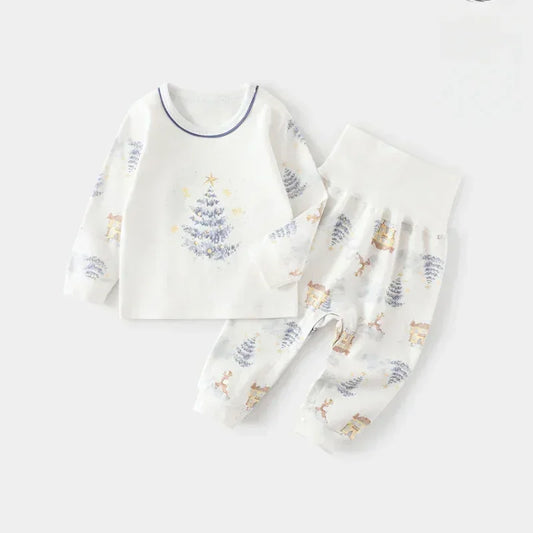
The foundation of every winter outfit should be a high-quality organic cotton bodysuit. This layer sits directly against the baby's sensitive skin. Organic cotton is grown without toxic pesticides and processed without harsh chemicals, making it the safest choice for newborns prone to eczema or dry winter skin. A long-sleeved onesie acts as a moisture-wicking barrier that keeps the core warm without causing sweat buildup.
The Insulating Middle Layer
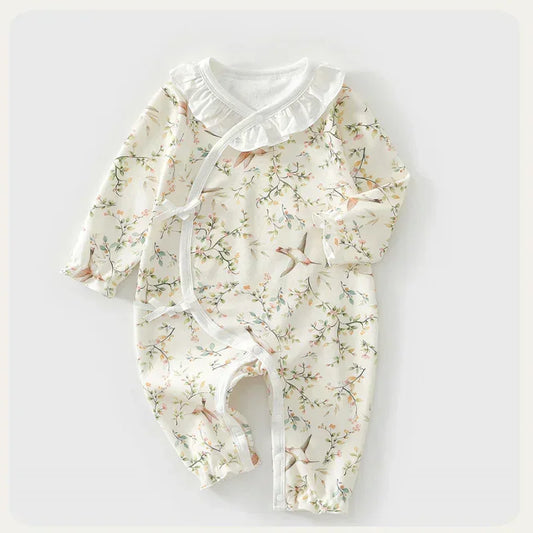
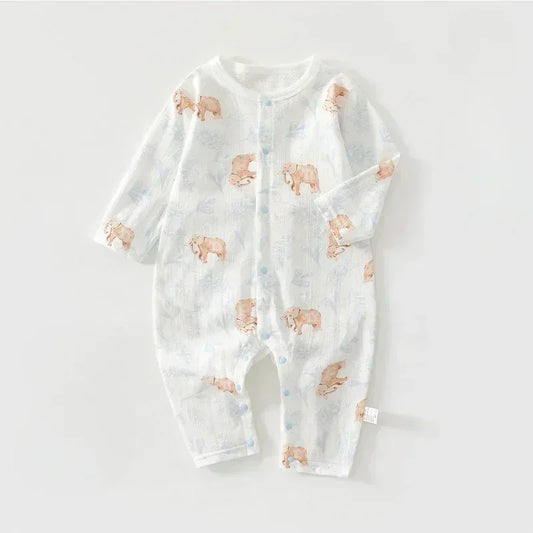
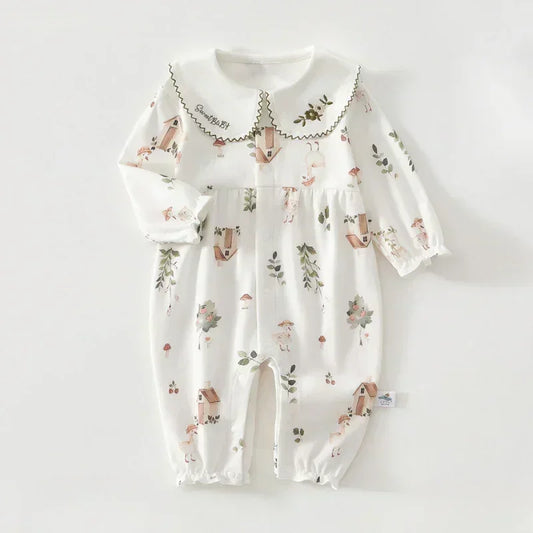
Over the base layer, add a soft cotton romper or a footed sleeper. This middle layer provides insulation. If it is exceptionally cold, you might choose a heavier weight knit. The goal is to create a pocket of warm air that moves with the baby. Avoid anything with a hood for indoor use or sleeping, as hoods can trap too much heat around the head and neck. Use items with easy-access snaps for quick diaper changes to keep the heat from escaping for too long.
The Protective Outer Layer
When venturing outside, the final layer should protect against wind and snow. A breathable knit pram suit is ideal. If you are using a car seat, remember that bulky coats are a safety hazard because they prevent the harness from being tight enough. Instead, dress the baby in their indoor layers, buckle them into the car seat, and then tuck a warm blanket over the harness. Once the car warms up, you can simply peel the blanket back without disturbing the baby.
Monitoring for Signs of Overheating
How do you know if you have layered correctly? Do not check your baby's hands or feet; it is normal for their extremities to feel slightly cool. Instead, place your hand on their chest or the back of their neck. If the skin feels hot, damp, or sweaty, they are wearing too many layers. A baby who is too hot may also have flushed cheeks or appear lethargic. Another helpful rule of thumb is the 'plus one' rule: dress your baby in one more layer than you are comfortably wearing yourself.
- Choose GOTS-certified organic cotton for maximum breathability.
- Check the back of the neck regularly to monitor core heat.
- Remove hats immediately when moving from outdoors to indoors.
- Avoid using heavy duvets or quilts in the crib.
Final Thoughts on Winter Safety
Navigating your first winter with a baby requires a bit of practice, but focusing on quality over quantity will always yield the best results. By investing in organic cotton essentials and mastering the art of the breathable layer, you are protecting your baby's skin, sleep, and safety. Keep it simple, keep it natural, and enjoy those cozy winter snuggles knowing your little one is perfectly comfortable.
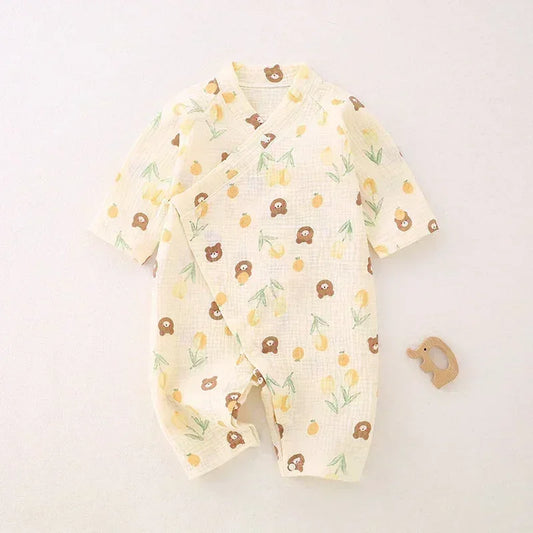
![[2-Pieces Set] 100% Cotton Long-Sleeve Kimono Romper - Blue & Blue Stripe](http://www.organiccottonclubs.com/cdn/shop/files/2_afd198b870f106588ecfc526d714b7a8.jpg?v=1764440625&width=533)


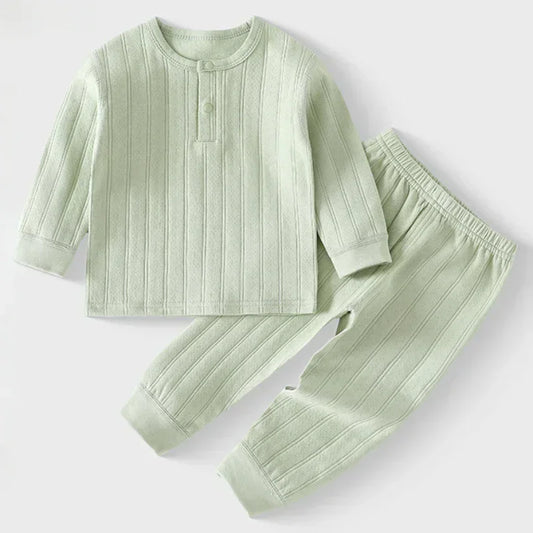
![[2-Pieces Set] 100% Cotton Long Sleeve Side-Snap Bodysuit - Pink & Pink Stripe](http://www.organiccottonclubs.com/cdn/shop/files/2_e34e329d03103a1ef2a830ed0f72d8f4.jpg?v=1759165907&width=533)
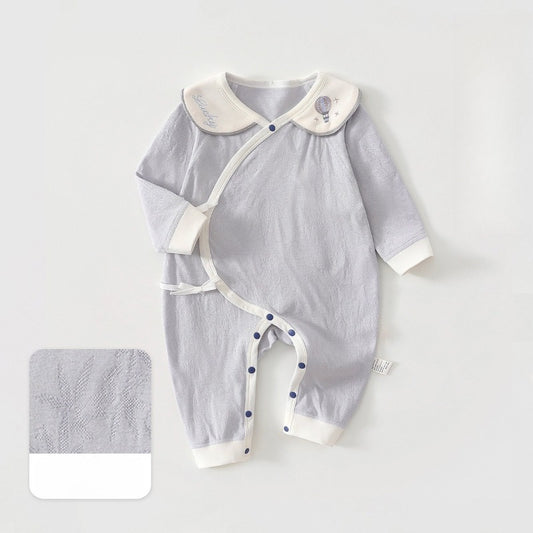
![[2-Pieces Set] 100% Cotton Long Sleeve Snapup Romper - Green & Green Stripe](http://www.organiccottonclubs.com/cdn/shop/files/4_dcde8d24f74c34bd214567f4011b27d7.jpg?v=1759166636&width=533)