

How to Read a Baby Clothing Label: Fabric Guide for New Moms
Share
The Hidden Language of Your Baby's Wardrobe
Becoming a new mom is a whirlwind of joy, but it also comes with a steep learning curve. One of the most overlooked challenges? Understanding exactly what you are putting on your baby's delicate skin. You want the best, but when you look at a tiny onesie, the label often looks more like a chemistry equation than a comfort guide. Learning to read these labels is not just about being a savvy shopper; it is about protecting your little one's health and comfort from day one.
The Struggle: Why Labels Matter More Than You Think
Your newborn's skin is up to five times thinner than your own. It absorbs everything it touches, and its natural barrier is still developing. When you choose clothes based on cuteness alone, you might accidentally be exposing your baby to harsh chemicals, synthetic dyes, and non-breathable materials. Have you noticed unexplained redness, dry patches, or heat rashes on your baby? The culprit might be hiding in plain sight: the fabric label. Many parents feel overwhelmed by the technical jargon, leading them to settle for whatever is on the clearance rack, but the hidden costs can be high.
Agitation: The Danger of 'Mystery' Materials
Cheap, mass-produced baby clothes often rely on polyester, nylon, and acrylic. While these materials are durable and inexpensive, they are essentially plastic. They trap heat and moisture against the skin, creating a breeding ground for bacteria and increasing the risk of painful heat rashes and eczema flare-ups. Furthermore, the manufacturing processes for many synthetic fabrics involve formaldehyde, heavy metals, and toxic flame retardants that can be absorbed through the skin or even inhaled. It is not just about a scratchy tag; it is about the long-term chemical exposure and the immediate discomfort of a baby who cannot tell you why they are fussy. A 'bargain' onesie is no longer a deal if it causes a night of restless sleep and skin irritation.
The Solution: Mastering the Fabric Label Guide
The good news is that you have the power to protect your baby by learning to decode the label. Here is a breakdown of the safest, most breathable fabrics to look for:
- 100% Organic Cotton: This is the gold standard for newborns. It is grown without synthetic pesticides and processed without toxic chemicals. Look specifically for the GOTS (Global Organic Textile Standard) seal to ensure the entire supply chain is clean.
- Bamboo Viscose: Known for being incredibly soft and buttery, bamboo is naturally hypoallergenic and thermo-regulating. It is perfect for babies with sensitive skin or those living in warmer climates as it wicks moisture away.
- Merino Wool: A natural miracle fiber that is much softer than traditional wool. It keeps babies warm in winter and cool in summer while being naturally flame-resistant without the need for added chemicals.
- Linen: A highly breathable, sustainable choice for summer. While it may feel stiff at first, it gets softer with every wash and allows for maximum airflow.
How to Spot Red Flags and Certifications
When reading a label, look beyond the main fabric percentage. Avoid terms like 'wrinkle-resistant,' 'permanent press,' or 'easy-care,' as these are almost always achieved through chemical treatments. Be wary of 'blends' where the majority is a synthetic fiber like polyester (e.g., 60% Polyester, 40% Cotton). Always prioritize garments with the OEKO-TEX Standard 100 certification. This label guarantees that every component of the garment, from the thread to the buttons and snaps, has been tested for harmful substances. Also, check for 'Nickel-Free' snaps to avoid common metallic skin allergies.
Final Thoughts
Reading a baby clothing label takes only five seconds, but the benefits for your child's skin and health last a lifetime. By choosing natural, organic fibers and looking for reputable certifications, you are providing a safe, breathable environment for your little one to grow and explore. Next time you are shopping for those tiny outfits, flip that tag over and make an informed choice. Your baby's skin will thank you, and you will have the peace of mind that comes with knowing exactly what is touching their world. Quality over quantity is always the best rule for a newborn's first wardrobe.
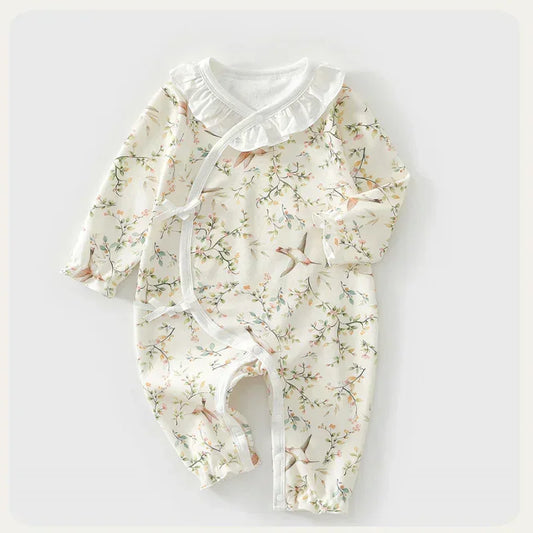
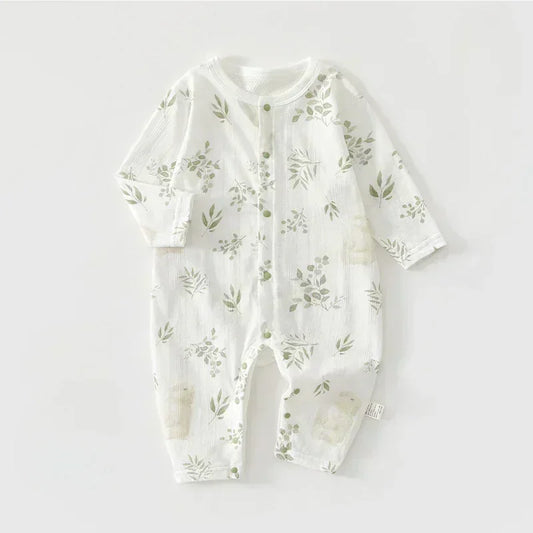
![[2-Pieces Set] 100% Cotton Long-Sleeve Kimono Romper - Blue & Blue Stripe](http://www.organiccottonclubs.com/cdn/shop/files/2_afd198b870f106588ecfc526d714b7a8.jpg?v=1764440625&width=533)

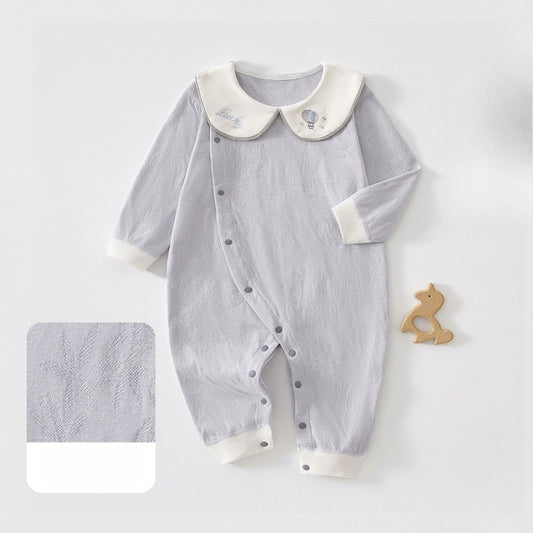

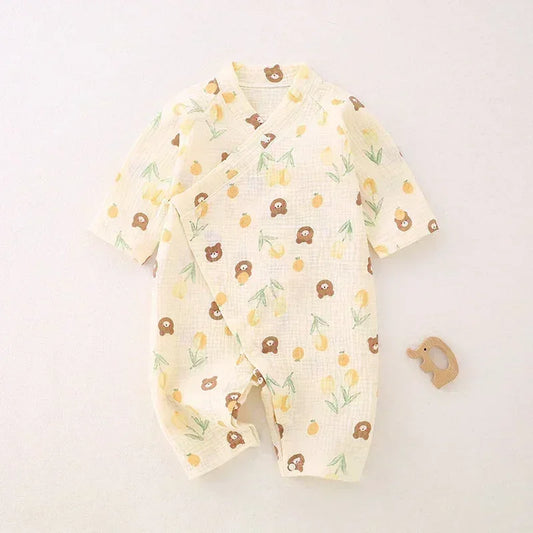
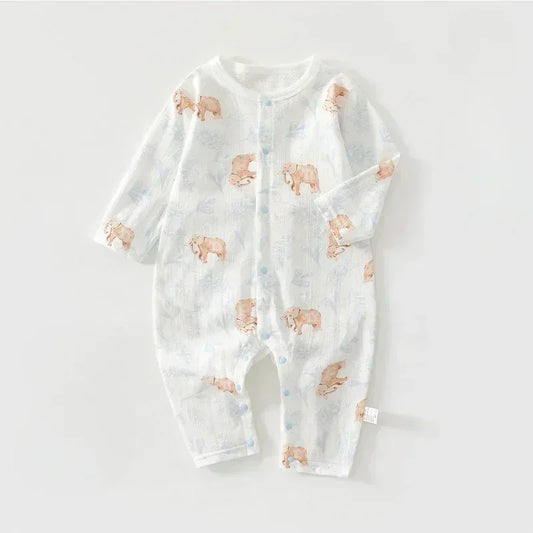
![[2-Pieces Set] 100% Cotton Long Sleeve Side-Snap Bodysuit - Pink & Pink Stripe](http://www.organiccottonclubs.com/cdn/shop/files/2_e34e329d03103a1ef2a830ed0f72d8f4.jpg?v=1759165907&width=533)
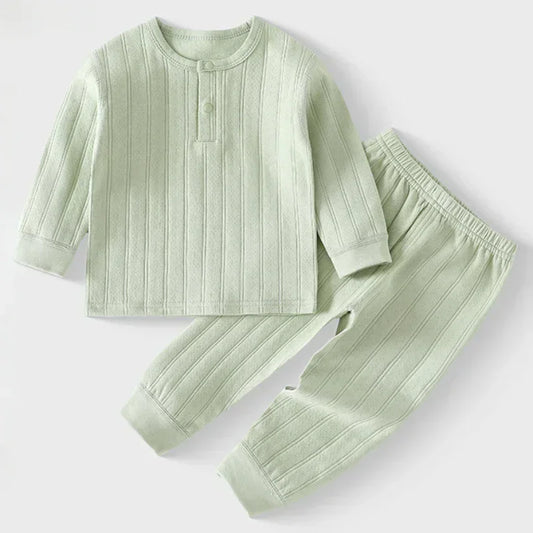
![[2-Pieces Set] 100% Cotton Long Sleeve Snapup Romper - Green & Green Stripe](http://www.organiccottonclubs.com/cdn/shop/files/4_dcde8d24f74c34bd214567f4011b27d7.jpg?v=1759166636&width=533)