


How to Tell if Baby is Too Hot or Too Cold at Night
Share
The Midnight Worry: Is My Baby Too Hot or Too Cold?
Every new parent has experienced that 2 AM moment of uncertainty. You stand over the crib, watching your little one sleep, and wonder if they are truly comfortable. Getting the nursery temperature right is more than just a matter of comfort; it is a vital part of safe sleep. When a baby is too hot, they face an increased risk of overheating, which is a known factor in sleep safety. Conversely, a baby who is too cold will struggle to stay asleep, leading to frequent night wakings for the whole family.
Why Synthetic Fabrics Agitate the Problem
Many parents reach for plush, fleece, or synthetic sleepers thinking they are providing extra warmth. However, materials like polyester trap heat and do not allow for air circulation. This creates a greenhouse effect inside the sleeper. Your baby may start to sweat, and because the fabric cannot wick that moisture away, they become damp and clammy. This moisture eventually cools down, leaving the baby shivering and uncomfortable. This cycle of overheating and chilling is a primary cause of restless nights and skin irritations like heat rash.
The Natural Solution: The Power of Organic Cotton
The simplest way to break this cycle is to choose high-quality organic cotton sleepwear. Organic cotton is naturally breathable and thermoregulating. It allows excess heat to escape while maintaining a consistent, cozy temperature against the skin. By opting for organic fibers, you are ensuring that your baby's skin can breathe, significantly reducing the risk of overheating. When paired with a proper TOG-rated sleep sack, organic cotton provides the perfect foundation for a safe, climate-controlled sleep environment.
How to Tell if Baby is Too Hot
You cannot accurately judge a baby's temperature by feeling their hands or feet, as these extremities are naturally cooler. Instead, look for these specific signs of overheating:
- The back of the neck or chest feels hot, sweaty, or clammy to the touch.
- Your baby has flushed cheeks or a redder-than-normal complexion.
- They are breathing more rapidly than usual.
- You notice small red bumps or a heat rash in skin folds or on the chest.
How to Tell if Baby is Too Cold
If your baby is struggling to maintain warmth, they will often show these physical cues:
- The chest or tummy feels cool to the touch (the most reliable indicator).
- They are exceptionally fussy or wake up as soon as they are put down.
- They are curled into a tight ball rather than lying in a relaxed, starfish position.
- Note: While hands may feel cold, this is normal; only worry if the core feels chilly.
The Master Guide to Layering
The golden rule for dressing a baby is to use one more layer than you are wearing comfortably. Start with an organic cotton short-sleeve bodysuit, add a long-sleeve sleeper, and finish with a wearable blanket or sleep sack. Always check the room temperature—ideally between 68 and 72 degrees Fahrenheit (20-22 degrees Celsius)—to ensure the environment supports deep, restful sleep.
Final Thoughts
Mastering your baby's sleep temperature takes a bit of practice, but by focusing on the core temperature rather than hands and feet, you will soon become an expert. Prioritizing breathable, organic materials is the best investment you can make for your baby's safety and your own peace of mind. When your baby is comfortably tempered, everyone sleeps better.
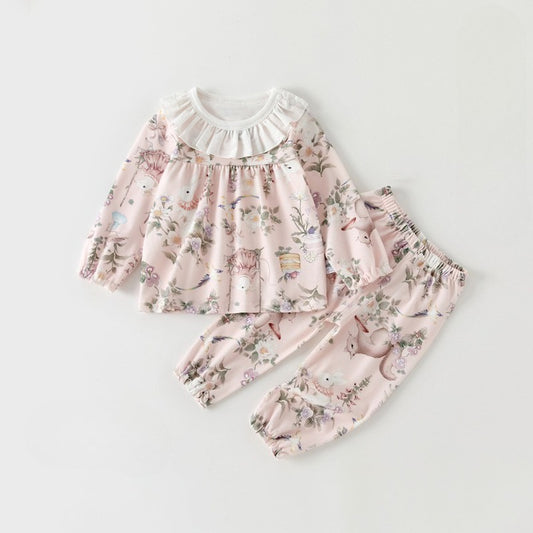
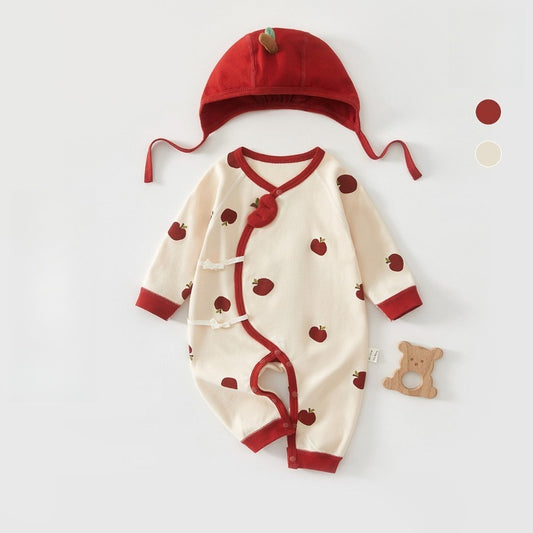
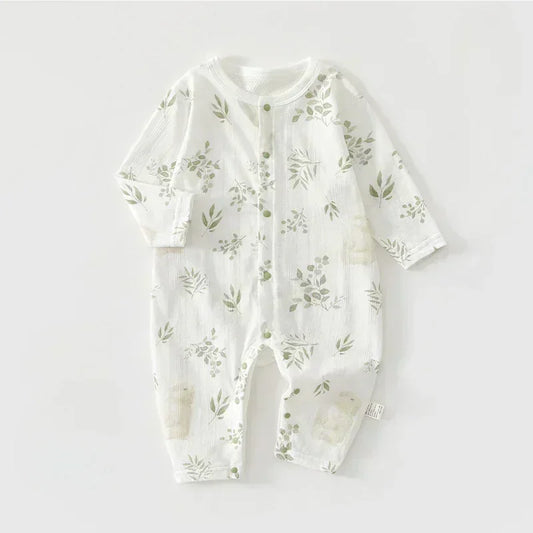
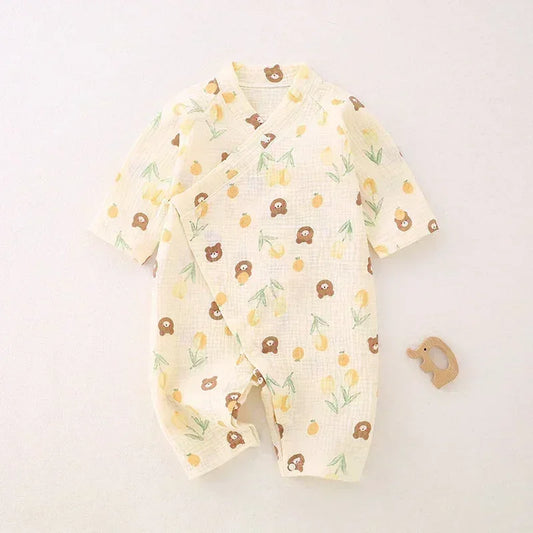
![[2-Pieces Set] 100% Cotton Long-Sleeve Kimono Romper - Blue & Blue Stripe](http://www.organiccottonclubs.com/cdn/shop/files/2_afd198b870f106588ecfc526d714b7a8.jpg?v=1764440625&width=533)

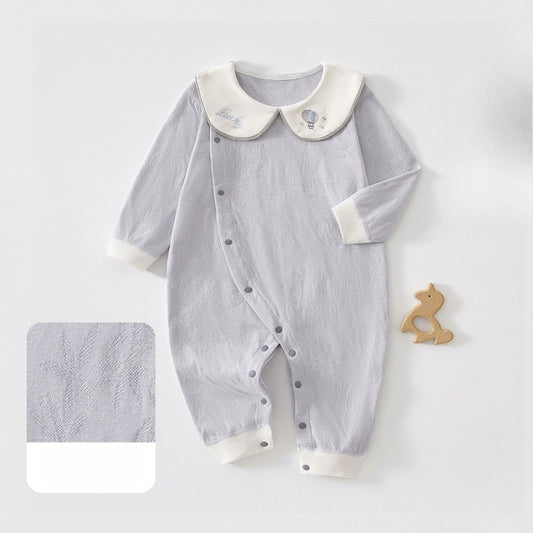

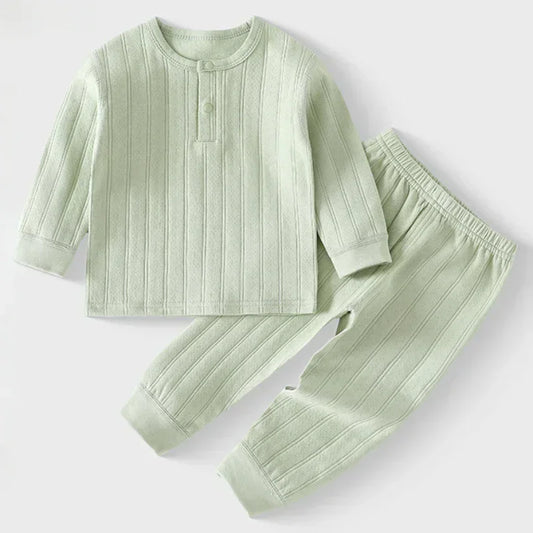
![[2-Pieces Set] 100% Cotton Long Sleeve Side-Snap Bodysuit - Pink & Pink Stripe](http://www.organiccottonclubs.com/cdn/shop/files/2_e34e329d03103a1ef2a830ed0f72d8f4.jpg?v=1759165907&width=533)
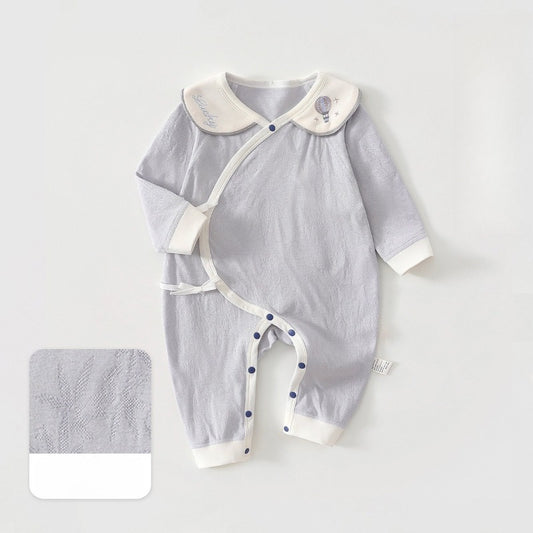
![[2-Pieces Set] 100% Cotton Long Sleeve Snapup Romper - Green & Green Stripe](http://www.organiccottonclubs.com/cdn/shop/files/4_dcde8d24f74c34bd214567f4011b27d7.jpg?v=1759166636&width=533)