

How to Wash Baby Clothes to Avoid Skin Irritation
Share
The Hidden Cause of Baby Skin Irritation
As a new parent, you meticulously research every car seat, every crib mattress, and every bottle brand. But many parents overlook a constant contact point with their baby's skin: their clothes. A newborn's skin is up to 30 percent thinner than adult skin, making it highly susceptible to chemicals, dyes, and rough textures. If you have noticed unexplained redness, dry patches, or your baby seems generally fussy after a wardrobe change, the issue might not be the fabric itself, but how it is being washed.
Understanding the Vulnerability of Newborn Skin
Newborns have an underdeveloped skin barrier. This means that whatever you use to wash their clothes is likely to be absorbed or cause friction against their delicate dermis. Commercial laundry products are designed for efficiency and scent, not for biological compatibility with an infant. When we look at the 'Problem' in our laundry routine, it starts with the hidden ingredients in standard detergents.
The Problem: Harsh Chemicals in Plain Sight
Most household detergents contain a cocktail of synthetic surfactants, parabens, and sulfates. These ingredients are effective at stripping oil and stains but are incredibly aggressive on soft skin. Furthermore, synthetic fragrances—often listed simply as 'parfum'—are among the top allergens for infants. These scents are designed to cling to the fibers, meaning your baby is breathing in and touching these chemicals all day and night. This leads us to the 'Agitation' phase of our struggle: why these cheap materials and harsh cleaners actually hurt.
Agitation: Why Cheap Materials and Detergents Hurt
When you use standard detergents on low-quality, synthetic-blend baby clothes, you create a recipe for disaster. Synthetic fabrics like polyester are made from petroleum-based plastics that do not breathe. When washed with harsh chemicals, these fibers trap the detergent residue against the skin. This lack of breathability combined with chemical irritants often leads to contact dermatitis or worsens existing conditions like baby eczema. You might think you are saving money by using budget detergents, but the cost to your baby's comfort and the potential for medical bills for skin treatments far outweighs the initial savings.
The Solution: The Power of Organic Cotton and Pure Care
The solution is two-fold: switching to organic cotton garments and adopting a mindful washing routine. Organic cotton is the gold standard for infant wear because it is grown without synthetic pesticides and processed without toxic bleaches. It is inherently more breathable and softer than conventional cotton. However, even the highest-quality organic onesie can become an irritant if washed incorrectly. Here is your definitive guide to washing baby clothes for skin health.
Step 1: Choose a Truly Gentle Detergent
Look for detergents that are 'Fragrance-Free' rather than 'Unscented.' Unscented products may still contain masking fragrances to hide the chemical smell. Opt for plant-based or mineral-based formulas that are specifically labeled as hypoallergenic and dermatologist-tested. Avoid any product containing optical brighteners, which are chemicals that stay on the fabric to reflect light and make clothes look whiter.
Step 2: The Essential Double Rinse
Even the best detergents can leave a residue if the rinse cycle is too short. Most modern washing machines have an 'extra rinse' setting. Use it. This ensures that every bit of soap is stripped away, leaving only the soft organic fibers behind. This simple step can reduce skin irritation incidents by over 50 percent for babies with sensitive skin.
Step 3: Eliminate Fabric Softeners and Dryer Sheets
Fabric softeners work by coating fabric in a thin layer of chemicals—often containing tallow or silicone—to make it feel slick. These chemicals are notorious for triggering rashes. For organic cotton, you want the natural texture of the fiber. If you need to reduce static or soften clothes in the dryer, use 100 percent wool dryer balls. They provide a physical softening effect without any chemical additives.
Step 4: Wash Before the First Wear
It is tempting to put a brand-new outfit straight on your baby, but clothing often picks up dust, mold spores, or chemical residues during shipping and storage. Always give new items a full wash cycle to ensure they are clean and safe for your little one's first wear.
Step 5: Temperature Matters
While cold water is eco-friendly, washing baby clothes in warm water (around 100-110 degrees Fahrenheit) is more effective at removing body oils and proteins that can harbor bacteria. However, avoid extremely hot water as it can damage the integrity of organic cotton fibers and cause shrinkage.
Why Organic Cotton Benefits Outweigh the Rest
When you invest in organic cotton, you are investing in a longer fiber that is naturally more durable and less prone to pilling. Pilling creates tiny bumps on the fabric that can chafe a baby's skin. By washing these high-quality pieces with the care they deserve, you extend the life of the garment and ensure that your baby's skin barrier remains intact and healthy. Organic cotton is also free from formaldehyde finishes often found in 'wrinkle-free' baby clothes, providing peace of mind for every nap and cuddle.
Final Thoughts
Creating a safe environment for your baby starts with the basics. By moving away from harsh chemicals and embracing the purity of organic cotton, you are removing the most common triggers for skin irritation. It may take a little more time to read labels and run an extra rinse, but the result is a happy, comfortable baby with glowing, healthy skin. Remember, your baby's skin is their first line of defense—treat it with the gentlest care possible.
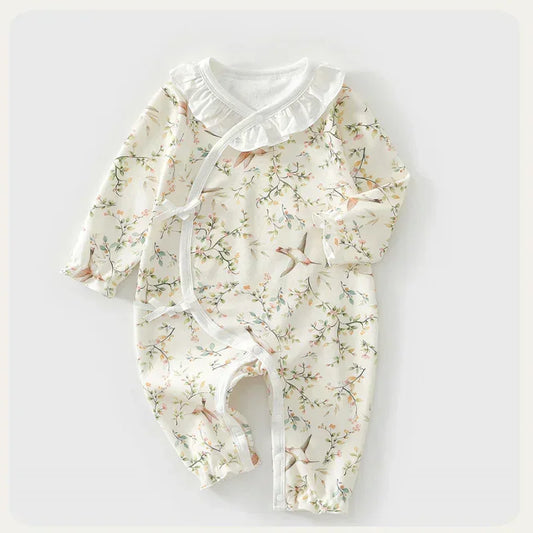
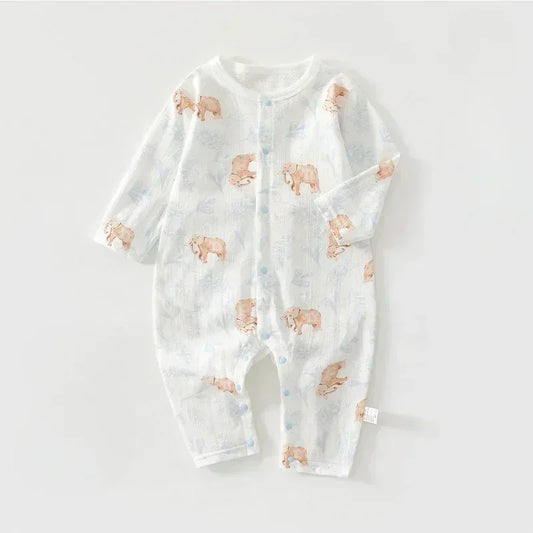
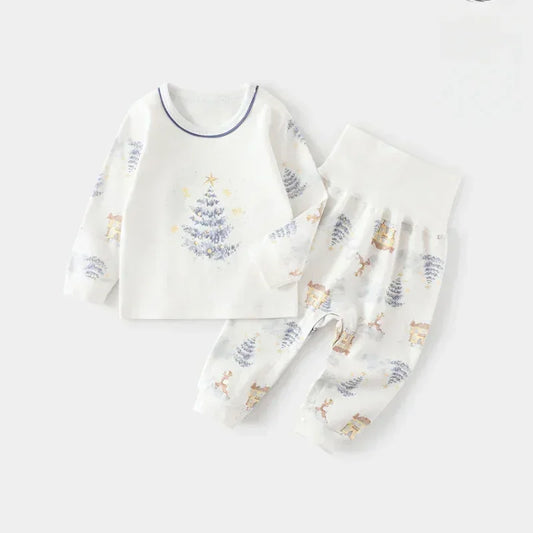
![[2-Pieces Set] 100% Cotton Long-Sleeve Kimono Romper - Blue & Blue Stripe](http://www.organiccottonclubs.com/cdn/shop/files/2_afd198b870f106588ecfc526d714b7a8.jpg?v=1764440625&width=533)


![[2-Pieces Set] 100% Cotton Long Sleeve Side-Snap Bodysuit - Pink & Pink Stripe](http://www.organiccottonclubs.com/cdn/shop/files/2_e34e329d03103a1ef2a830ed0f72d8f4.jpg?v=1759165907&width=533)
![[2-Pieces Set] 100% Cotton Long Sleeve Snapup Romper - Green & Green Stripe](http://www.organiccottonclubs.com/cdn/shop/files/4_dcde8d24f74c34bd214567f4011b27d7.jpg?v=1759166636&width=533)