


Identifying Common Baby Skin Rashes
Share
Identifying Common Baby Skin Rashes: A Guide for Concerned Parents
Nothing sparks parental anxiety quite like discovering a new red patch or cluster of bumps on your baby's delicate skin. In those quiet moments of worry, you find yourself questioning everything from the laundry detergent to the temperature of the nursery. This struggle is universal, yet the discomfort your little one feels is deeply personal. Identifying the cause is the first step toward relief.
The Hidden Agitation in Baby Clothing
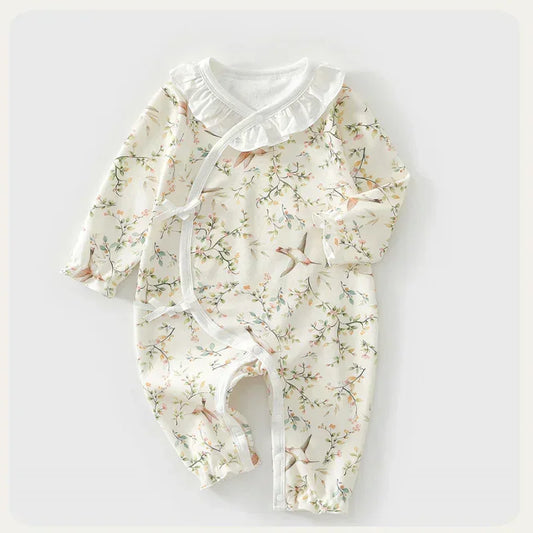
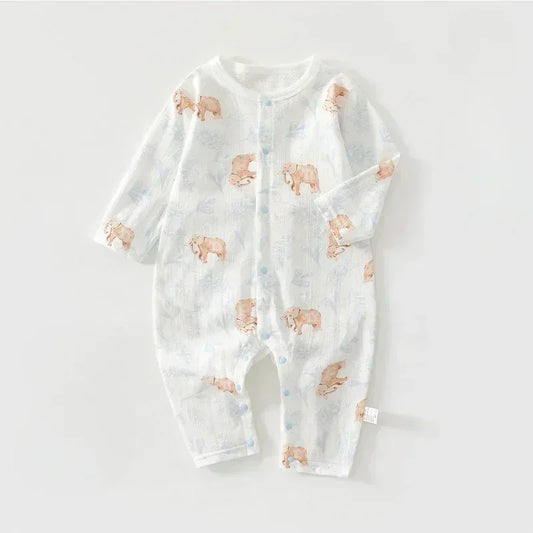
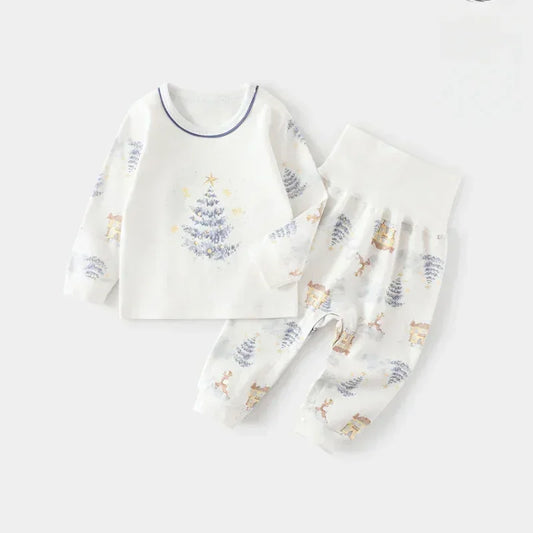
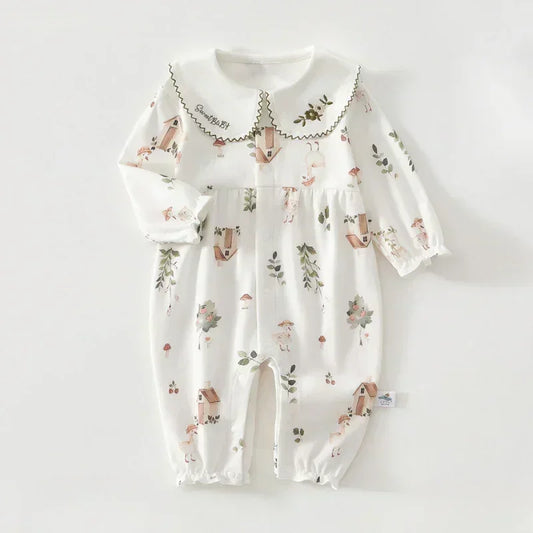
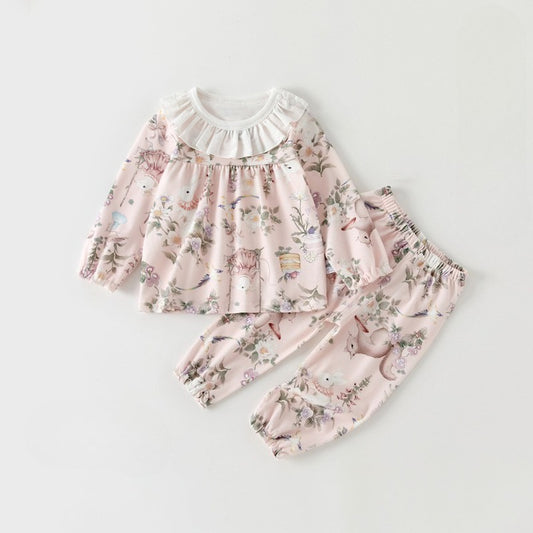
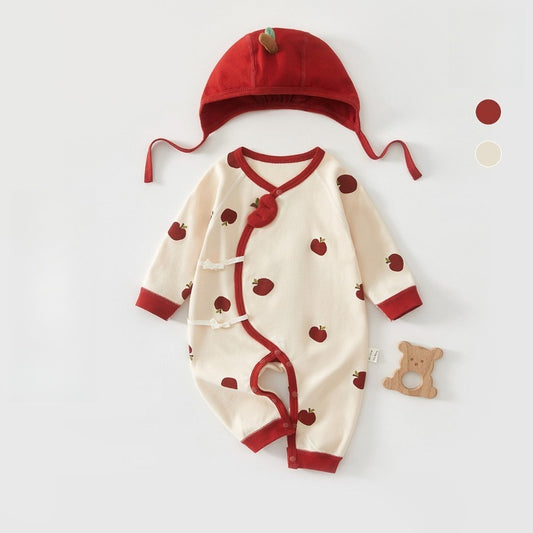
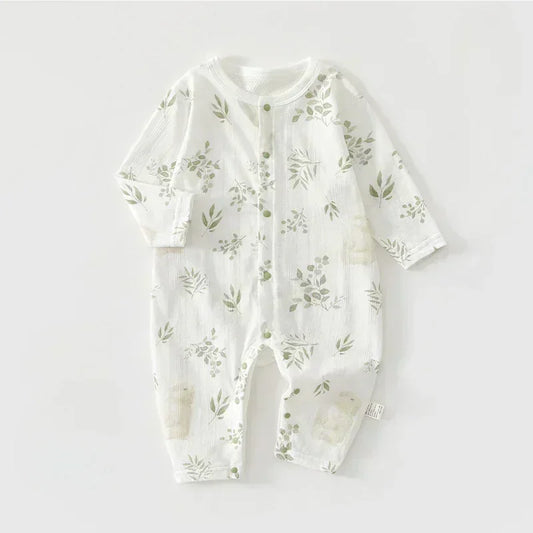
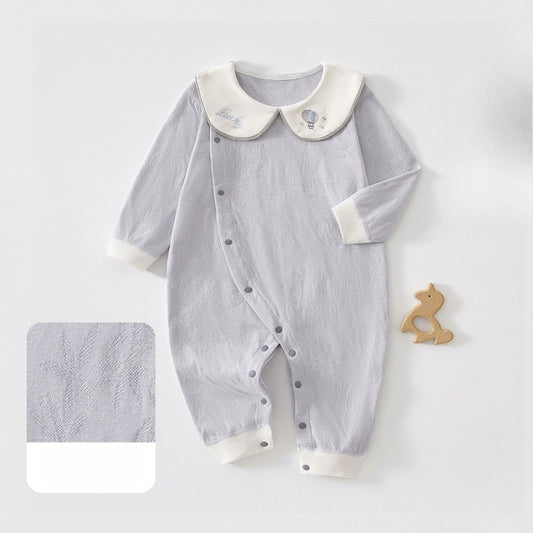
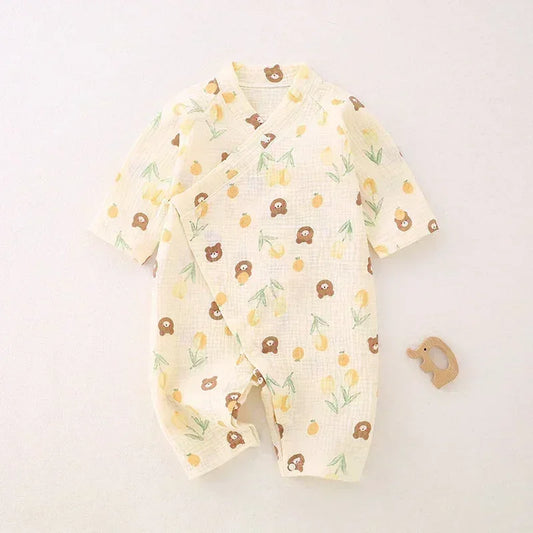
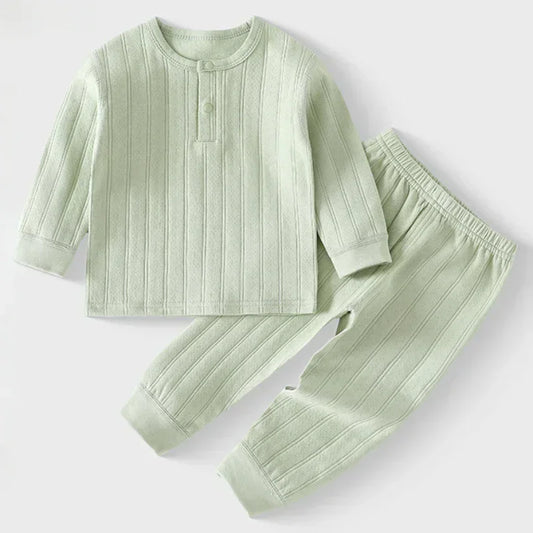
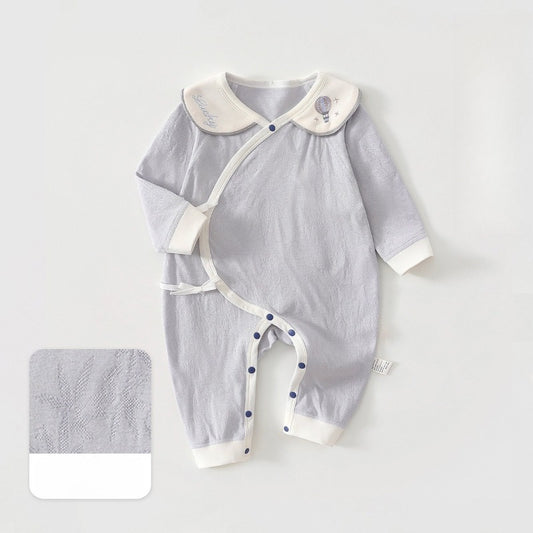
Many parents are surprised to learn that the very clothes meant to protect their infants might be contributing to skin distress. Conventional baby clothing is often treated with harsh chemical finishers, formaldehyde, and synthetic dyes that can trigger contact dermatitis. Furthermore, synthetic fabrics like polyester trap heat and moisture against the skin, which significantly agitates conditions like heat rash and eczema. When a baby's skin cannot breathe, even a minor irritation can quickly escalate into a painful, weeping rash that disrupts sleep and temperament.
The Organic Cotton Solution
The transition to GOTS-certified organic cotton is more than a lifestyle choice; it is a preventative health measure for your baby's skin barrier. Organic cotton is grown without toxic pesticides and processed without the heavy metals and chlorine bleach found in standard textiles. Because the fibers are natural and long-staple, they are incredibly soft and highly breathable. This breathability allows for superior thermoregulation, keeping the skin dry and reducing the friction that leads to flare-ups.
Common Rashes and How to Spot Them
- Heat Rash (Miliaria): Appears as tiny red bumps or clear blisters, usually in skin folds or where clothing is too tight. Solution: Keep skin cool and use breathable organic cotton layers.
- Eczema (Atopic Dermatitis): Characterized by dry, scaly, and itchy patches on the cheeks, scalp, or joints. Solution: Intensive moisturizing and avoiding synthetic fabric triggers.
- Contact Dermatitis: A localized red rash occurring where the skin touches an irritant like harsh dyes or fragrances. Solution: Switch to chemical-free, organic fabrics and fragrance-free detergents.
- Diaper Rash: Redness and sensitivity in the diaper area caused by moisture and friction. Solution: Frequent changes and allowing 'air time' on an organic cotton mat.
Final Thoughts
While most baby rashes are common and treatable, your choice of materials plays a pivotal role in the healing process. By removing chemical irritants and choosing the pure, breathable comfort of organic cotton, you are creating a safe haven for your baby's skin to thrive. Always consult with a pediatrician for persistent or worsening symptoms, but remember that prevention starts with what you put against their skin every day.
![[2-Pieces Set] 100% Cotton Long-Sleeve Kimono Romper - Blue & Blue Stripe](http://www.organiccottonclubs.com/cdn/shop/files/2_afd198b870f106588ecfc526d714b7a8.jpg?v=1764440625&width=533)


![[2-Pieces Set] 100% Cotton Long Sleeve Side-Snap Bodysuit - Pink & Pink Stripe](http://www.organiccottonclubs.com/cdn/shop/files/2_e34e329d03103a1ef2a830ed0f72d8f4.jpg?v=1759165907&width=533)
![[2-Pieces Set] 100% Cotton Long Sleeve Snapup Romper - Green & Green Stripe](http://www.organiccottonclubs.com/cdn/shop/files/4_dcde8d24f74c34bd214567f4011b27d7.jpg?v=1759166636&width=533)